
On the Road to Berlin
2015
No user ratings available yet
Representation score: 1.8 out of 10
Representation Score
Minimal
1950
Director
Mikheil Chiaureli
Runtime
0 minutes
Average Rating
No ratings yetNew Showbiz Analysis
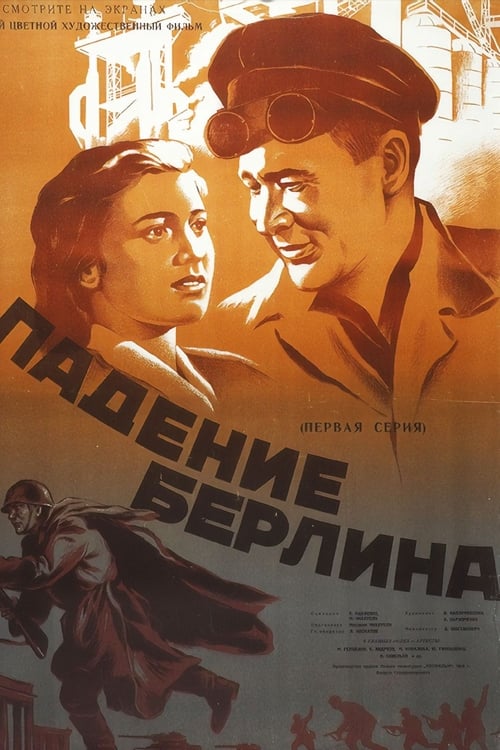
The Fall of Berlin serves as a tool for ideological construction rather than a nuanced character study. It uses mythic narratives to reinforce centralized leadership and traditional hierarchies. The film prioritizes state-driven stability over individual or layered complexity. While the film attempts to depict a multi-ethnic collective, it does so to serve a singular national identity. This approach avoids Western racial hierarchies but lacks true exploration of diverse identities. The narrative structure is designed to maintain political authority. Ultimately, the film relies on archetypes to support a centralized political mythos. By focusing on idealized strength and masculine leadership, it excludes underrepresented voices and nuanced representations of disability or non-traditional identities.
Category Breakdown
The film follows strict mid-20th-century Soviet norms and does not include any non-binary gender identities. Character dynamics focus solely on traditional romantic relationships like Alexei and Natacha.
Power and influence are concentrated among male political and military figures. Women such as Natacha are primarily portrayed as romantic interests or victims of wartime displacement, rather than as key players in historical events.
The film portrays a multi-ethnic Soviet collective through the lens of state-mandated unity. Ethnic diversity is overshadowed by a singular national identity to promote state cohesion.
The narrative operates within a rigid moral framework where the Soviet state holds ultimate authority. It promotes collectivist ideology to strengthen existing state structures.
The film does not focus on neurodivergence or physical disabilities. Characters are depicted as idealized archetypes of strength and productivity, such as the stakhanovist worker.
Present on Screen
Limited or Absent
Official Synopsis
Surrounded by a few party officials, Alexei Ivanov, a stakhanovist smelter, is decorated by Stalin. The "Little Father of the Peoples" takes this opportunity to invoke threats of war.... One day, war indeed breaks out. Bombs fall on the field where Alexei finds himself in the company of the schoolmistress Natacha, his fiancée. Alexei joins the Red Army and soon becomes a sergeant. Fighting rages and German troops advance. Natacha is arrested and deported. But the tide turns decisively with the German defeat at Stalingrad. Now the major offensive against Hitler can begin.
2015

1977
1945
1962
1945
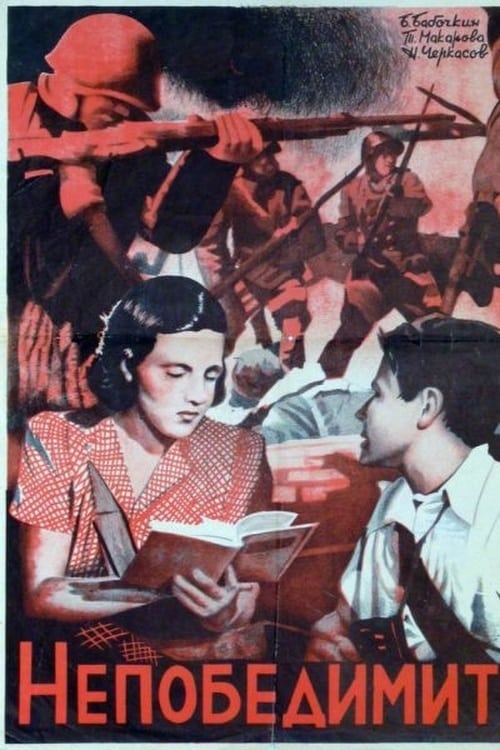
1943
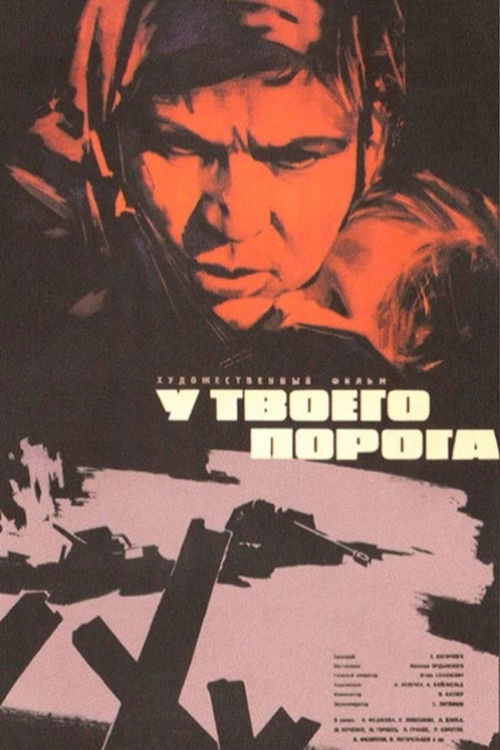
1963
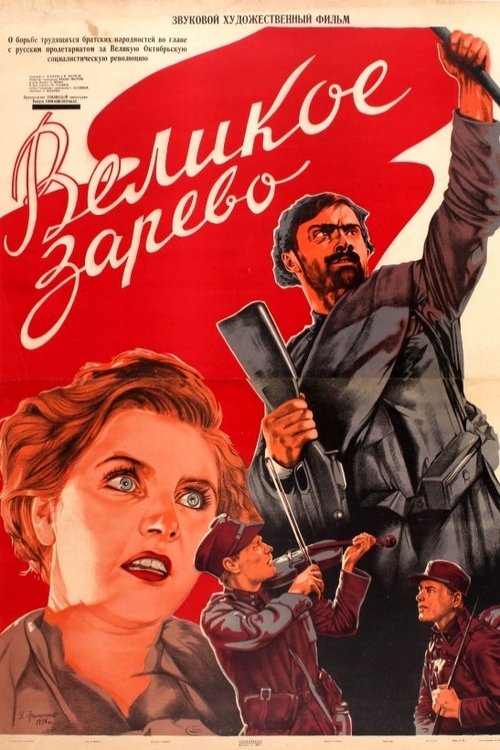
1938
No reviews yet. Be the first to share your thoughts on this movie!
Use the rating form above to leave a star rating and optional review.