Judge
2010
No user ratings available yet
Diversity score: 5.5 out of 10
2011
Director
Tom Waller
Runtime
86 minutes
Average Rating
No ratings yetSynopsis
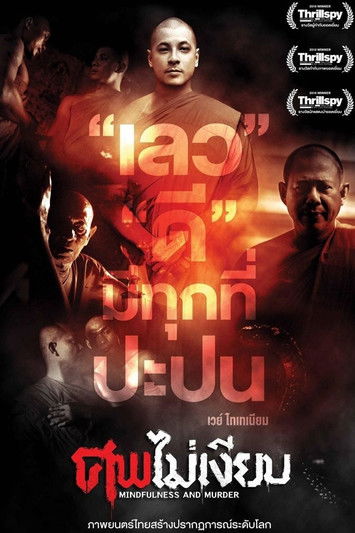
When a homeless boy living at the youth shelter run by a Buddhist monastery turns up dead, the Abbot recruits Father Ananda, a former policeman, to find out why. He discovers that all is not well at this urban monastery in the heart of Bangkok. Together with his dogged assistant, an orphaned boy named Jak, Father Ananda uncovers a startling series of clues that eventually exposes the motivation behind the crime and leads him to the murderer.
Overall Score
Fair
Category Breakdown
LGBTQ+ Representation
The narrative lacks explicit evidence of LGBTQ+ characters or non-cisnormative identities. The plot focuses primarily on class struggles and religious institutionalism rather than queer themes.
Gender Representation
The story centers on a male-led investigative duo consisting of Father Ananda and Jak. There is no evidence of female characters in positions of high agency or intellect.
Racial & Ethnic Diversity
The film offers high regional specificity by centering on a Bangkok-based population. It avoids a Western-normative lens by prioritizing local Thai perspectives and settings.
Religious & Cultural Diversity
The film deconstructs religious sanctity by portraying a monastery as a site of potential corruption. It explores the tension between organized religion and the lived reality of the marginalized.
Disability Representation
While the film explores the vulnerabilities of orphaned and homeless youth, it lacks explicit portrayals of characters with physical or neurodivergent disabilities.
Strengths
Areas for Improvement
AI Analysis
Mindfulness and Murder succeeds in providing a culturally specific lens on social issues by grounding its mystery within the urban landscape of Bangkok. By focusing on the friction between a Buddhist monastery and marginalized populations, the film avoids Western-centric storytelling tropes. However, the narrative appears limited in its scope of identity representation. The focus remains heavily on socioeconomic status and religious institutionalism, leaving little room for gender subversion or LGBTQ+ visibility. Ultimately, the film serves as a social drama that critiques institutional power through the lens of urban poverty and religious dysfunction.
2010

2005

1993

2009
2009

2012

2003
2013
2015

2019
2013
2006
No reviews yet. Be the first to share your thoughts on this movie!
Use the rating form above to leave a star rating and optional review.