Buladó
2020
No user ratings available yet
Diversity score: 6.9 out of 10
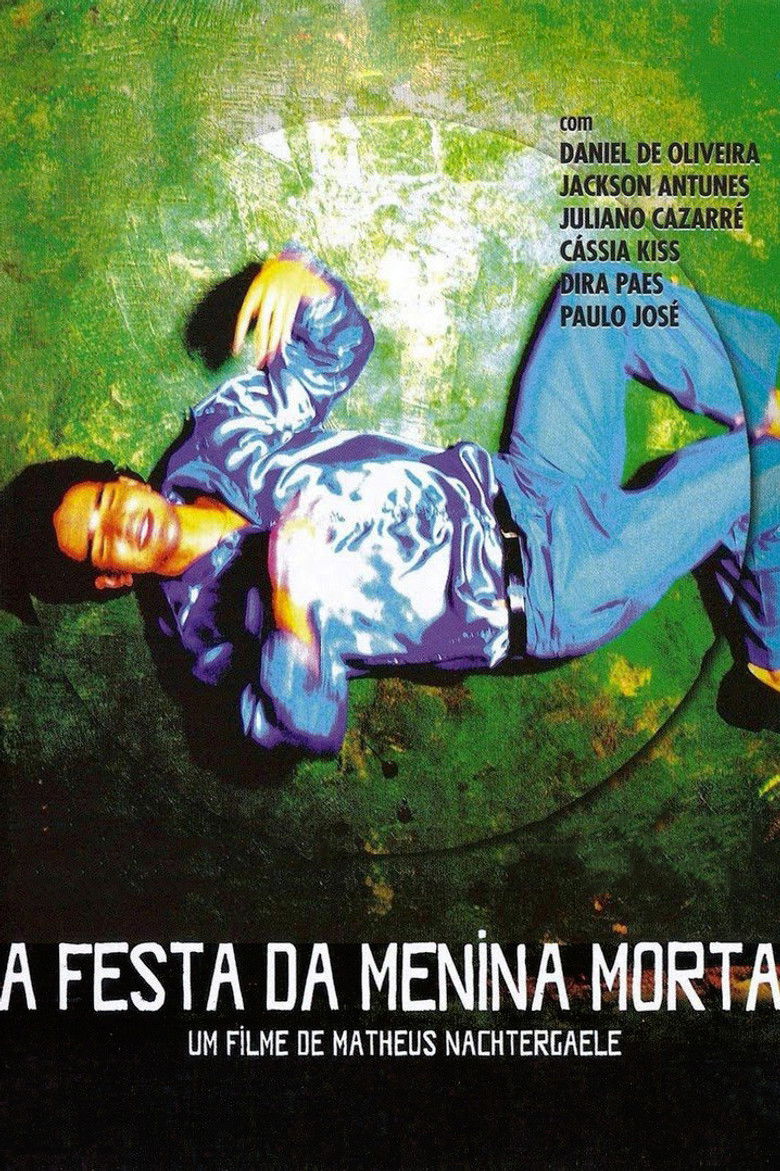
2009
Director
Matheus Nachtergaele
Runtime
115 minutes
Average Rating
No ratings yetSynopsis
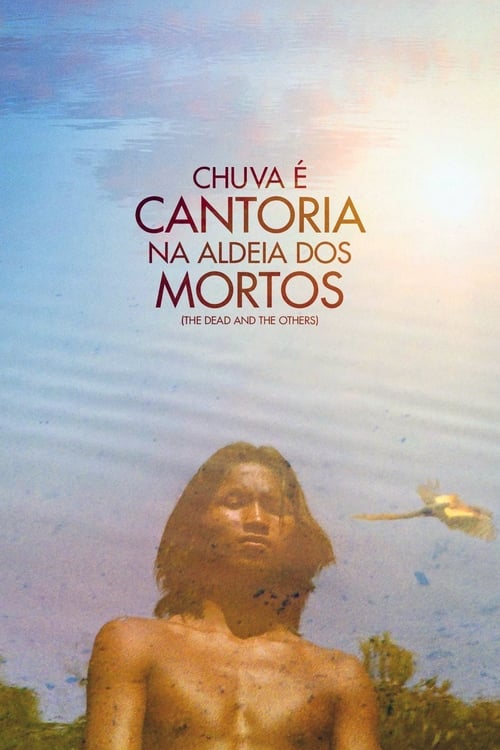
"The Dead Girl's Feast" narrates the story of Santinho, a young man who has been exalted to the position of a saint in a remote riverine community of the upper Amazonas state, after performing a “miracle” upon the suicide of his own mother. The film seeks to be an intimate picture of the ones who are involved in this sect and of the infinite human capacity of “fabricating” faith and seeking for some sense in the horrifying experience of death.
Overall Score
Good
Category Breakdown
LGBTQ+ Representation
The film focuses on communal grief and religious fervor rather than identity politics. There are no explicit LGBTQ+ character arcs or queer-coded subtext present in the narrative.
Gender Representation
A maternal suicide serves as the central inciting incident, placing female experience at the core. However, power dynamics eventually shift toward the male figure, Santinho, as he gains spiritual authority.
Racial & Ethnic Diversity
The film provides significant representation of indigenous and riverine cultures in the Amazon. This centering of localized identities disrupts the traditional Anglo-centric cinematic gaze.
Religious & Cultural Diversity
The narrative excels by critiquing institutionalized faith through an anthropological lens. It portrays religious fervor as a communal response to trauma rather than a divine absolute.
Disability Representation
There is no explicit evidence of characters with physical or neurodivergent disabilities. The film explores universal psychological trauma rather than specific disability-focused narratives.
Strengths
Areas for Improvement
AI Analysis
Matheus Nachtergaele’s directorial debut is a sophisticated exploration of how marginalized communities fabricate myth to navigate death. The film succeeds by centering the specific cultural identities of the Amazonian riverine people, offering a necessary disruption to Western-centric spiritual storytelling. While the film excels in cultural and ethnic representation, it remains neutral regarding LGBTQ+ identities and lacks specific disability narratives. The tension between the maternal tragedy and the subsequent male-led spiritual authority creates a complex gender dynamic that avoids simple archetypes. Ultimately, the work is a nuanced study of communal psychology. It trades conventional religious tropes for a gritty, atmospheric realism that examines the human capacity to manufacture sanctity from horror.
2020
2018
1997
2005

2015

2018
1982
2019

2004
2019
2004
2012
No reviews yet. Be the first to share your thoughts on this movie!
Use the rating form above to leave a star rating and optional review.