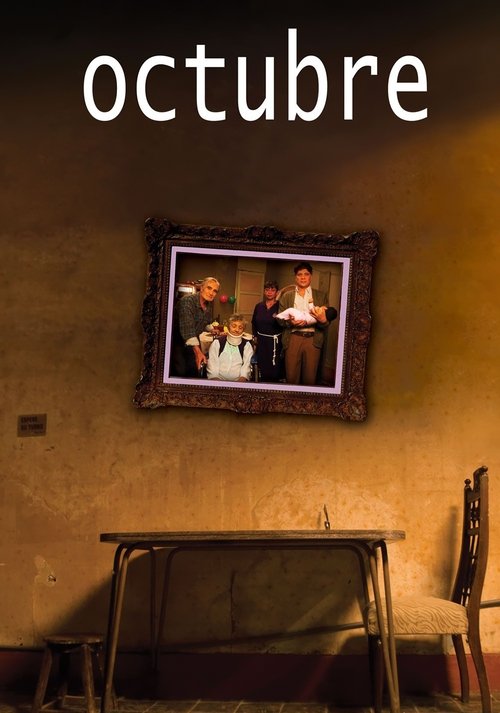
October
2010
No user ratings available yet
Representation score: 4.4 out of 10

Representation Score
Good
2012
NRDirector
Pablo Trapero
Runtime
105 minutes
Average Rating
No ratings yetNew Showbiz Analysis
White Elephant is a naturalist study of social stagnation and the erosion of traditional institutions. It avoids conventional hero clichés, opting for an episodic look at interpersonal conflict within a declining community. The film's strength lies in its nuanced exploration of existential malaise. By portraying characters through moral ambiguity, it challenges traditional morality and critiques systemic socioeconomic issues. While the film lacks representation for LGBTQ+ and disabled individuals, it offers a profound critique of religious and social authority. It succeeds as a complex portrait of a society in transition.
Category Breakdown
The film does not include LGBTQ+ narratives or characters with diverse gender identities. The character interactions are based on traditional heterosexual relationships.
Women are portrayed with significant psychological depth, playing key roles in driving the story's emotional and intellectual dynamics. However, the film does not challenge traditional gender hierarchies.
The film authentically represents the Argentine working class. Characters are defined by their socioeconomic struggles rather than idealized stereotypes.
The film effectively critiques traditional religious institutions. It examines the decline of religious authority through a lens of secular disillusionment and moral ambiguity.
The film does not feature central depictions of physical or neurological disabilities. Psychological distress is presented as a universal human experience rather than a specific exploration of disability.
Present on Screen
Limited or Absent
Official Synopsis
While working alongside his long-time friend and colleague in building a hospital for the residents of a Buenos Aries shantytown, a troubled priest finds solace in a young, atheist social worker.
2010

2013

2011
2001

1999
2013
1972

2005
No reviews yet. Be the first to share your thoughts on this movie!
Use the rating form above to leave a star rating and optional review.