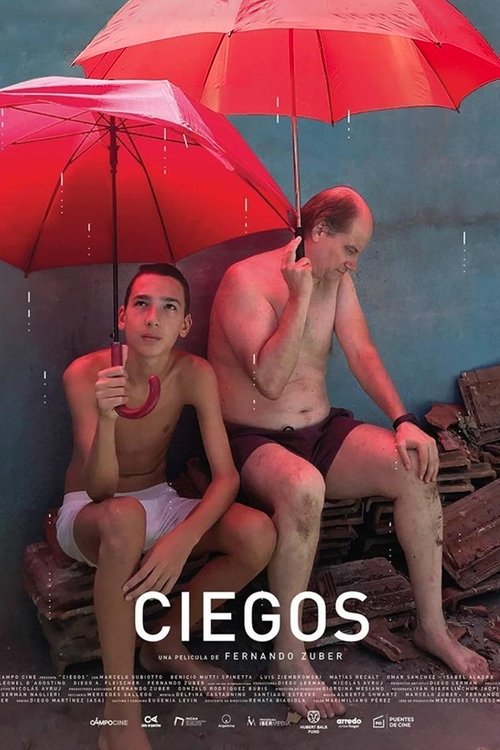
Ciegos
2019
No user ratings available yet
Representation score: 6.8 out of 10
Representation Score
Good
2005
Director
Diego Rafecas
Runtime
115 minutes
Average Rating
No ratings yetNew Showbiz Analysis
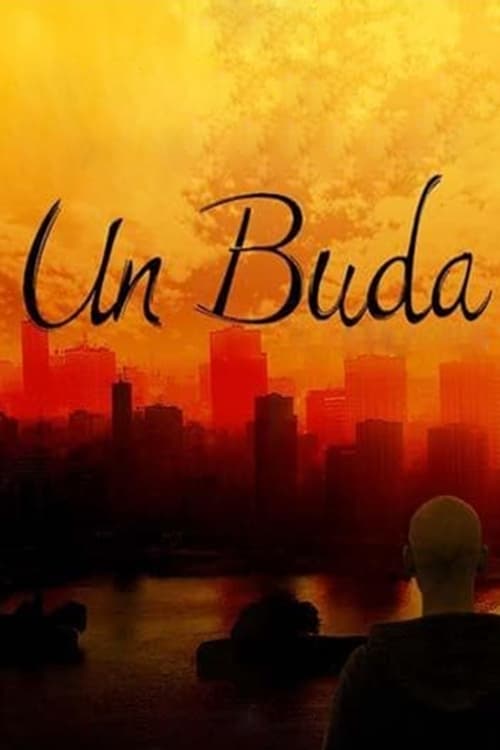
Un Buda is a contemplative drama that prioritizes existential inquiry and social critique over standard narrative clichés. It succeeds in subverting traditional hierarchies, particularly regarding masculinity and Western religious structures, by integrating Eastern spiritual frameworks into a South American historical setting. However, the film lacks explicit representation in several key areas. The focus remains heavily on the male experience, and there is no clear evidence of LGBTQ+ identities or specific disability portrayals. While the characters' psychological states hint at trauma-related struggles, these are not framed as central identity markers. Ultimately, the film's strength lies in its cultural and philosophical depth. It uses the historical context of the 'Dirty Wars' to challenge state oppression and capitalist productivity, offering a nuanced look at spirituality outside of traditional Western dogma.
Category Breakdown
The story focuses on the fraternal bond between two brothers. There are no explicit LGBTQ+ characters or representations of non-straight identities.
The film centers on male protagonists but avoids traditional masculine stereotypes. By showing the brothers through vulnerability and intellectual isolation, it challenges conventional provider or protector roles.
Set in Argentina, the film blends Eastern philosophical practices into a South American context. This integration of Zen asceticism with local history subverts Eurocentric spiritual norms.
The story critiques Western institutions and religious dogma by centering on Zen Buddhism. It explores a non-Christian morality while addressing the historical trauma of Argentina's military era.
There is no explicit mention of physical or sensory disabilities. However, Tomas's withdrawn and drifting nature may suggest mental health struggles or neurodivergence related to his past trauma.
Present on Screen
Limited or Absent
Official Synopsis
Un Buda follows two brothers orphaned as children when their parents were taken by the military during the "Dirty Wars" of the 1970s in Argentina. Tomas is now a drifting and withdrawn young man who experiments with ascetic practices and has an instinctive compassion for others. His older brother Rafael is a university philosophy professor, detached and alone. Their struggles with each other and the world around them in Buenos Aires take a dramatic turn when they find themselves at a rural Zen center.
2019
2001

2008
2012
2004
2010
2004
2004
No reviews yet. Be the first to share your thoughts on this movie!
Use the rating form above to leave a star rating and optional review.