
Eureka
2001
No user ratings available yet
Representation score: 7.2 out of 10
Representation Score
Good
2013
Director
Kiyoshi Kurosawa
Runtime
270 minutes
Average Rating
No ratings yetNew Showbiz Analysis
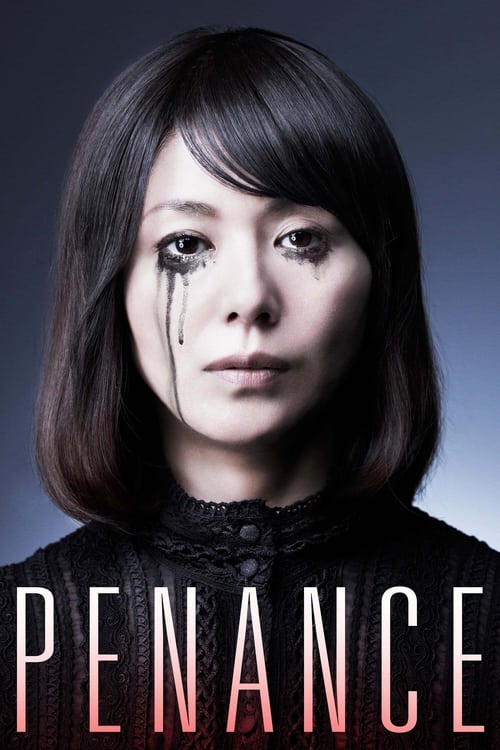
Kiyoshi Kurosawa’s *Penance* is a psychological drama that prioritizes subjective experience over objective truth. It successfully challenges traditional moral structures and gender roles, presenting women as complex drivers of their own communal trauma. However, the film remains limited by its cultural homogeneity and a lack of explicit characters who reflect more than one aspect of diversity. It focuses heavily on psychological fragmentation rather than the lived experiences of specific underrepresented groups. Ultimately, the work finds its strength in its postmodern deconstruction of authority and memory, even as it misses opportunities for broader demographic diversity.
Category Breakdown
The film does not explicitly address LGBTQ+ identities or stories of queer liberation. It touches on themes of identity fluidity but does not depict non-cisgender gender identities or same-sex relationships.
Women play key roles in driving the narrative through their psychological complexity and emotional intensity. Characters like Asako act as disruptive forces rather than passive victims, focusing the plot on female-led trauma and redemption.
The cast is culturally uniform, reflecting the film's specific Japanese village setting. It avoids Western-centric casting but does not actively seek to subvert racial stereotypes or include diverse ethnicities.
The film presents a progressive view of morality by emphasizing personal experience over religious or legal rules. It portrays communal justice and truth as fragmented, unreliable, and shaped by trauma.
There are no characters with visible physical disabilities. Instead, the film examines mental health and neurodivergence through the lens of psychological instability and the characters' descent into delusion.
Present on Screen
Limited or Absent
Official Synopsis
The murder of a young girl leaves the inhabitants of a small Japanese village in shock. The body of Emili is found by four classmates with whom she was playing. The murder is never solved. Emili's mother, Asako, is torn by grief and puts a curse on the four girls when they claim not to remember the killer's face. Each of the girls, in their own way, will do penance for their silence.
2001
1999

2001

2010
2019

2013

2011
2012
No reviews yet. Be the first to share your thoughts on this movie!
Use the rating form above to leave a star rating and optional review.