
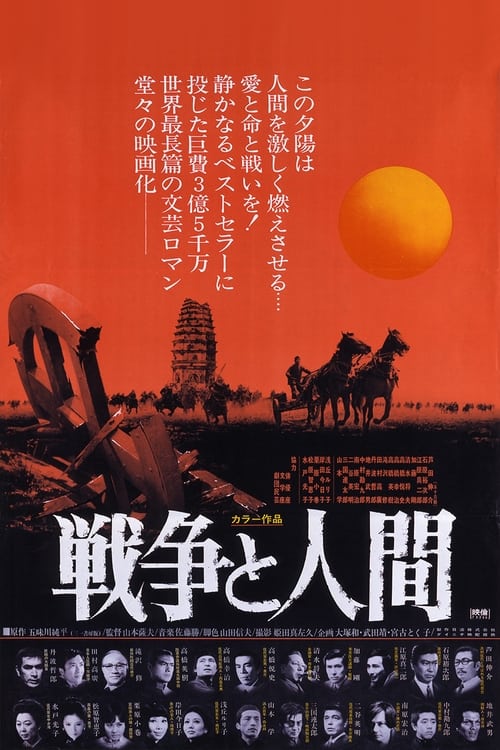
Men and War III: The Final Chapter
1973
No user ratings available yet
Representation score: 6.7 out of 10
Representation Score
Limited
1970
Director
Satsuo Yamamoto
Runtime
197 minutes
Average Rating
No ratings yetNew Showbiz Analysis
Satsuo Yamamoto’s historical drama prioritizes a critical examination of power dynamics over identity-based representation. The film explores the symbiotic relationship between the Godai family conglomerate and the Kwantung Army during the Manchurian expansion. While the film lacks contemporary markers of diversity, such as LGBTQ+ or disability representation, it offers a sophisticated look at how corporate interests fuel militarism. It avoids simplistic patriotic storytelling in favor of a more analytical approach to historical conflict. Ultimately, the work serves as a dissection of morality and state-driven movements rather than a showcase for diverse character archetypes.
Category Breakdown
The film does not feature any LGBTQ+ characters or narratives. The plot revolves around geopolitical strategies and corporate interests.
The story centers on traditional male hierarchies of power. The focus on conglomerates and armies highlights a male-dominated leadership structure.
The production emphasizes Japanese domestic and imperial interests. It prioritizes the dominant ethnic group within a framework of nationalistic expansion.
The film challenges patriotic clichés by critiquing the collusion between capitalism and the military. It deconstructs established social orders through its focus on an upstart family.
There is no evidence regarding the depiction of physical or neurodivergent characters in this work.
Present on Screen
Limited or Absent
Official Synopsis
The upstart Godai family conglomerate plans to strengthen ties with the hardliners in the Kwantung Army as they plan military expansion into Manchuria.
1973

1959
1971
1961

1989
1950

1955

1951
No reviews yet. Be the first to share your thoughts on this movie!
Use the rating form above to leave a star rating and optional review.