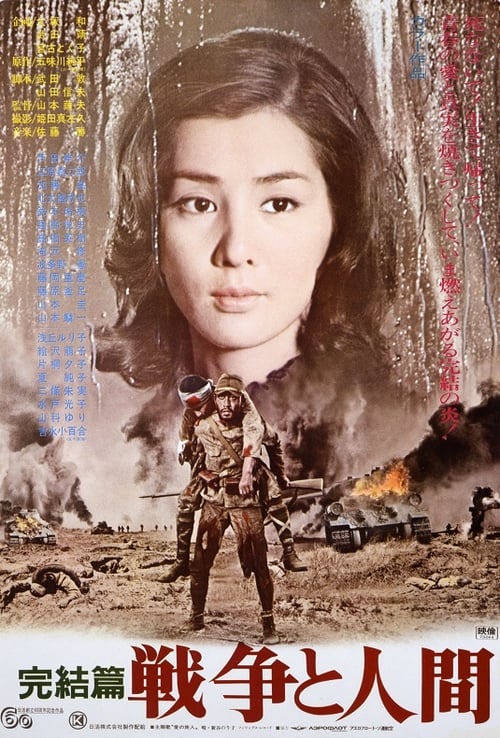
Men and War III: The Final Chapter
1973
No user ratings available yet
Diversity score: 5.0 out of 10
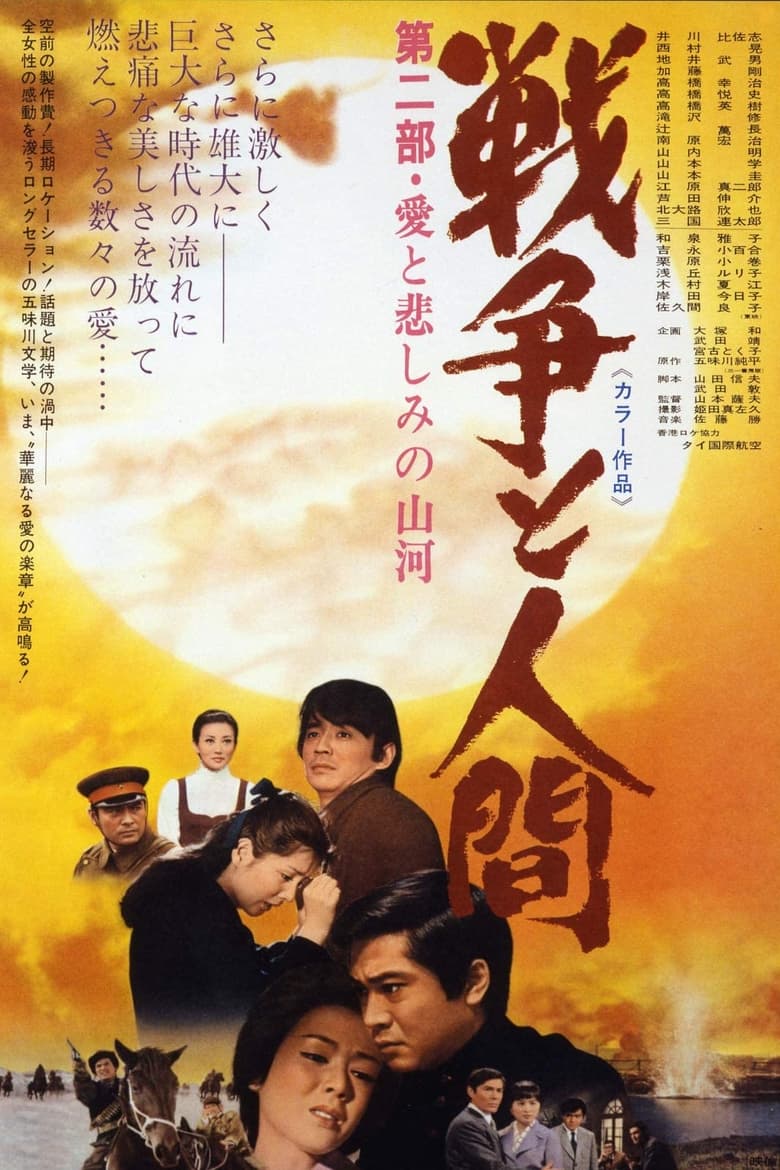
1971
Director
Satsuo Yamamoto
Runtime
181 minutes
Average Rating
No ratings yetSynopsis
Second part of an epic drama of war and its effects upon human beings, follows the fortunes of the Godai family from 1935 through Japan's invasion of China. Based on the novels by Jumpei Gomikawa, who also penned The Human Condition.
Overall Score
Fair
Category Breakdown
LGBTQ+ Representation
The film focuses on the macro-societal impacts of the invasion of China. While the narrative explores the fracturing of family units, there is no specific evidence of queer identities.
Gender Representation
Women are depicted as resilient pillars navigating chaos caused by male-driven military decisions. The film highlights female competence and endurance despite the era's social limitations.
Racial & Ethnic Diversity
The story involves interactions between Japanese forces and Chinese populations. It moves beyond a homogeneous perspective to show the tragic intersections of different ethnic groups.
Religious & Cultural Diversity
The narrative critiques imperialism and state-driven nationalism. It prioritizes humanistic values over rigid state morality by framing the invasion through the lens of human suffering.
Disability Representation
Physical and psychological traumas are framed as inevitable consequences of war. These depictions often serve as tragic elements rather than providing characters with specific agency.
Strengths
Areas for Improvement
AI Analysis
Satsuo Yamamoto’s epic serves as a profound deconstruction of historical conflict. By focusing on the Godai family, the film shifts the lens from nationalistic fervor to the systemic destruction of the individual and the family unit. The work succeeds in its humanistic critique of imperialism, offering a nuanced look at how state-driven expansionism corrupts human dignity. It avoids simple patriotic tropes, instead highlighting the complex intersections of different ethnic groups caught in the machinery of war. However, the film remains limited by the cinematic constraints of its era. While it explores the human cost of war, it lacks specific representation for LGBTQ+ identities and often treats disability as a tragic byproduct rather than a lived experience of agency.
1973
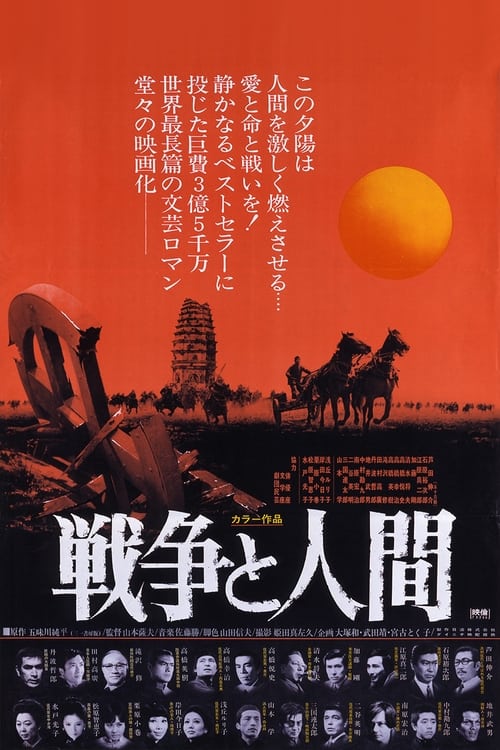
1970
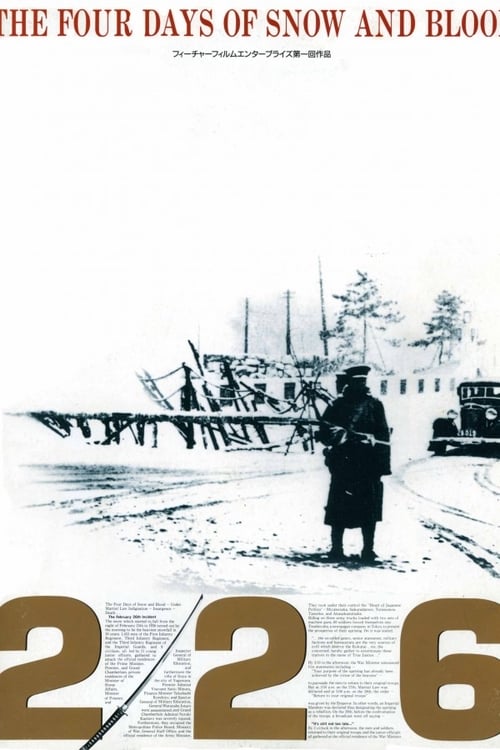
1989

1974
2022
1983
No reviews yet. Be the first to share your thoughts on this movie!
Use the rating form above to leave a star rating and optional review.