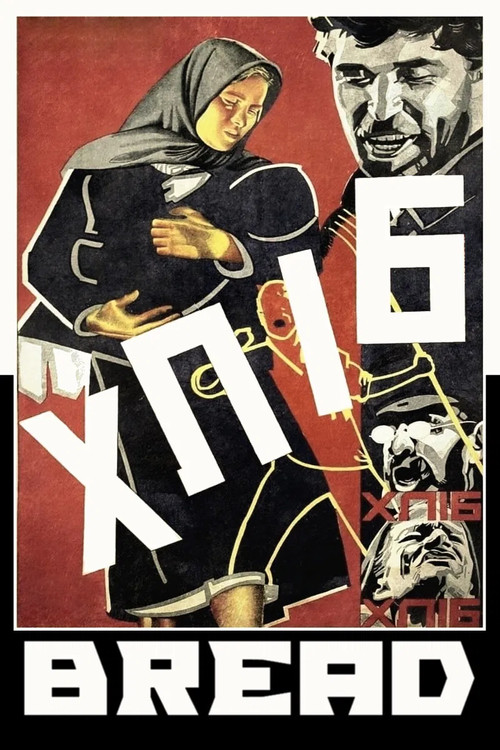
Bread
1929
No user ratings available yet
Representation score: 3.7 out of 10

Representation Score
Limited
1918
Director
Boris Sushkevich
Runtime
38 minutes
Average Rating
No ratings yetNew Showbiz Analysis
Bread serves as a foundational piece of Bolshevik cinematic expression, aligned with the ideological frameworks of the post-revolutionary era. It functions primarily as a didactic tool for systemic social reorganization. The film excels in its cultural critique, offering a radical challenge to existing socio-economic orders and traditional institutions. It promotes a collective, materialist worldview centered on the struggle for resources. However, the work lacks modern multi-layered breadth. Its singular focus on class-based struggle and the historical context of 1918 results in a lack of representation for LGBTQ+ identities and disability.
Category Breakdown
The film does not include any characters with LGBTQ+ identities or non-straight relationships. The story focuses solely on class struggles and survival.
The film explores a shift in gender roles inspired by early Bolshevik ideology. It suggests a move away from traditional domestic life towards women participating in collective struggle.
Diversity is highlighted through the multi-ethnic composition of the former Russian Empire and the collective identity of the working class. The film emphasizes the proletariat over aristocratic hierarchies.
The narrative criticizes monarchy, capitalism, and bourgeois religious influences. It prioritizes dismantling old-world institutions in favor of a new, materialist social order.
There is no evidence of characters with disabilities being portrayed with significant roles or as central narrative drivers.
Present on Screen
Limited or Absent
Official Synopsis
"Bread" - a Bolshevik propaganda tale about the fundaments of living.
1929

1925

1918
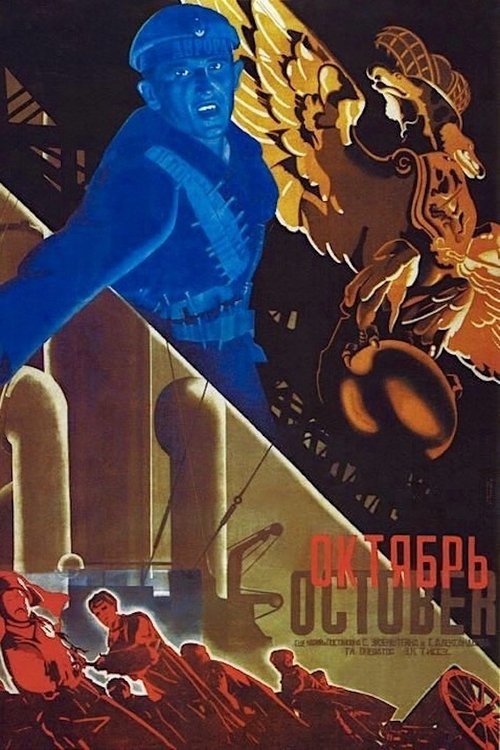
1928
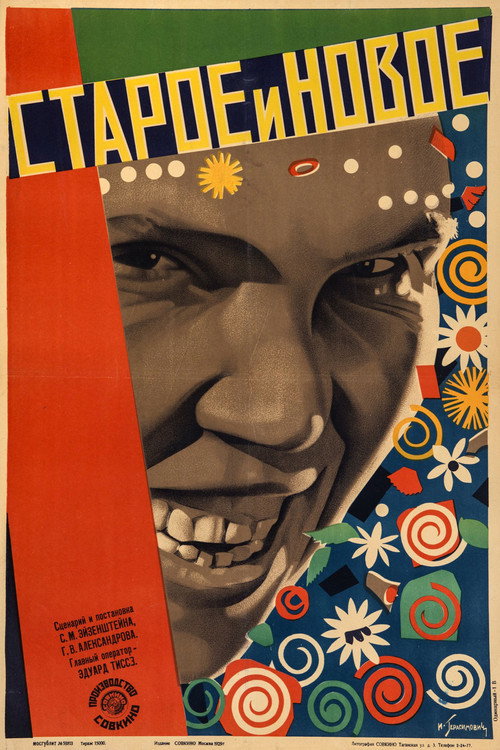
1929
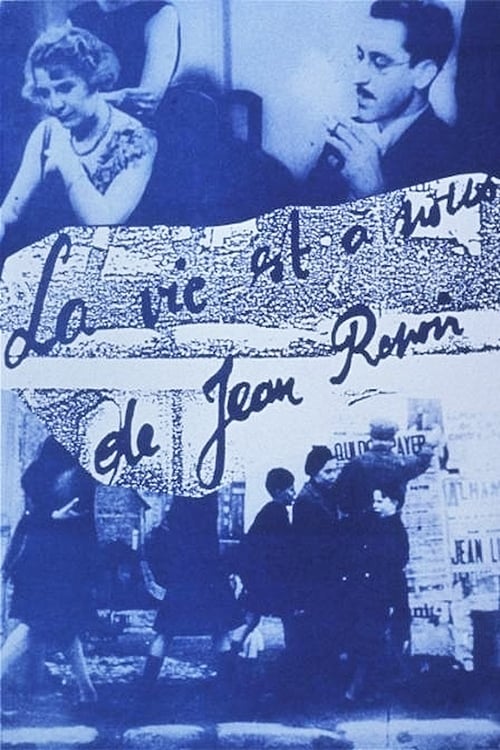
1936
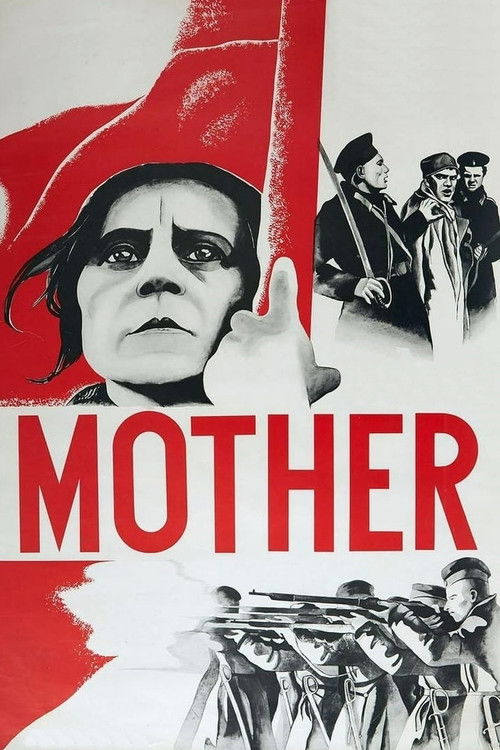
1926
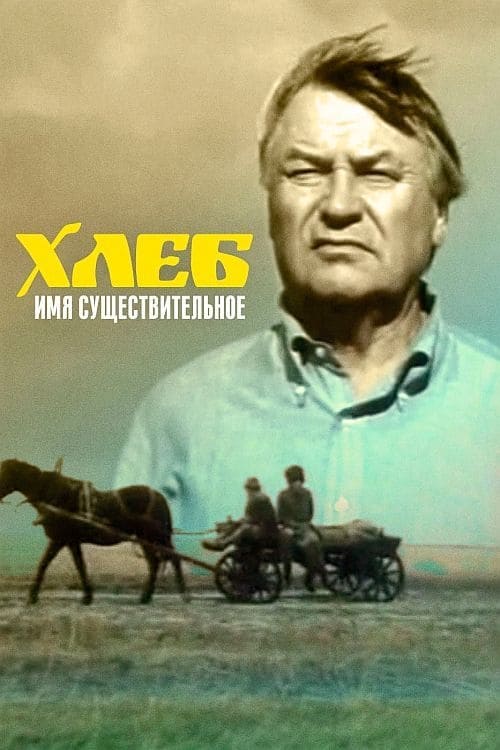
1988
No reviews yet. Be the first to share your thoughts on this movie!
Use the rating form above to leave a star rating and optional review.