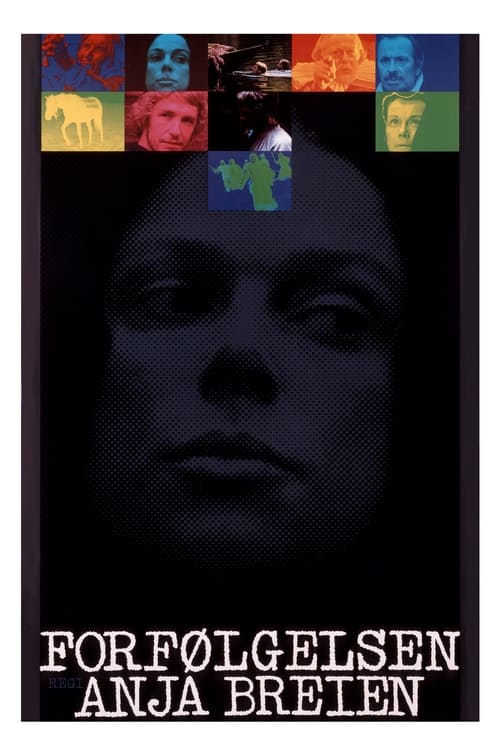
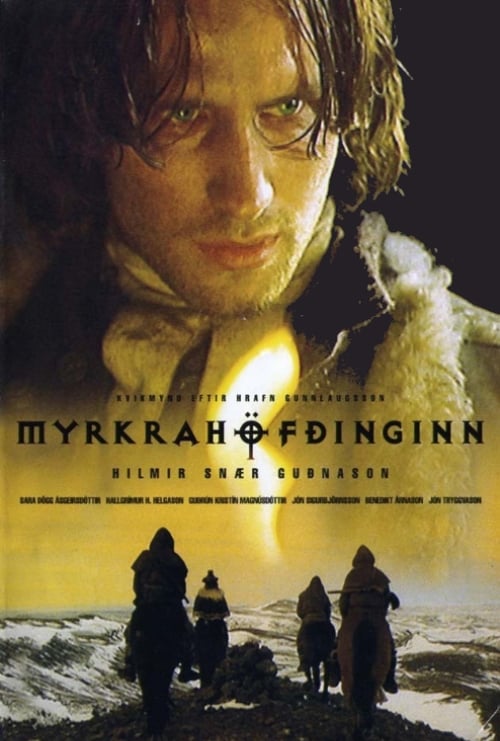
The Witch Hunt
1981
No user ratings available yet
Representation score: 5.2 out of 10
Representation Score
Fair
1999
Director
Hrafn Gunnlaugsson
Runtime
113 minutes
Average Rating
No ratings yetNew Showbiz Analysis
Witchcraft (1999) is a localized historical drama that prioritizes the deconstruction of institutional power over modern social representation. Its primary impact comes from its critique of religious and patriarchal structures, which it portrays as sources of madness and oppression rather than moral order. While the film lacks racial, ethnic, or LGBTQ+ diversity, it compensates through a sophisticated subversion of historical clichés. It replaces the traditional heroic religious leader with a figure of destructive lust and irrationality, offering a sharp critique of systemic fanaticism. Ultimately, the film's value lies in its cultural analysis of power and dogma, even as it remains confined to a homogeneous historical lens.
Category Breakdown
The film focuses on the traditional marriage customs and religious dogma of 15th-century Iceland, without exploring LGBTQ+ narratives.
Women are shown as vulnerable subjects under the scrutiny of patriarchal religious authorities. The film critiques these hierarchies by depicting male leadership as irrational and chaotic.
The cast is ethnically homogeneous, reflecting the specific historical Icelandic setting. The film functions as a localized study rather than a multi-ethnic production.
The narrative excels at deconstructing the dominance of religious institutions, portraying the Church as a source of systemic oppression. It uses dark absurdity to challenge the sanctity of religious norms.
The protagonist's psychological descent into madness drives the plot. However, this is framed through religious fanaticism rather than a nuanced exploration of mental health issues.
Present on Screen
Limited or Absent
Official Synopsis
The young and fanatical Jon is appointed pastor to a remote church in 15th century Iceland. As is custom, he marries the widow of his predecessor, a woman much older than he is. He is ardent in his fight against Satan, and the villagers don't dare to question his authority. When he falls for a beautiful young woman, Jon is convinced witchcraft is at work, and his crusade leads to cruel executions of innocent people. The stronger his lust, the deeper his madness drives him in his religious fervor.
1981
1943
1970

1943
1987
1928
1970
1971
No reviews yet. Be the first to share your thoughts on this movie!
Use the rating form above to leave a star rating and optional review.