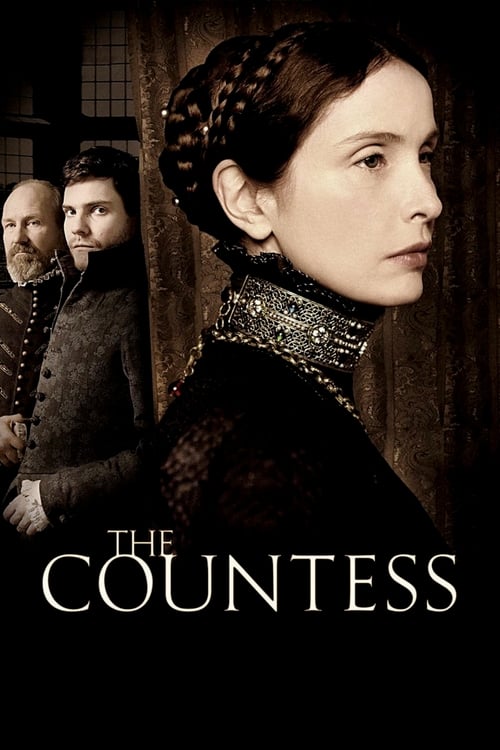
The Countess
2009
No user ratings available yet
Diversity score: 4.8 out of 10

1971
RDirector
Ken Russell
Runtime
112 minutes
Average Rating
No ratings yetSynopsis
A charismatic 17th-century French priest becomes the target of a sexually obsessed nun’s witchcraft accusations, which corrupt church and state officials are all too happy to exploit.
Overall Score
Fair
Category Breakdown
LGBTQ+ Representation
The film explores the psychological friction caused by strict religious mandates. It examines how the repression of sexual desire manifests as perceived demonic possession and hysteria.
Gender Representation
The Ursuline nuns are portrayed as a high-agency force rather than submissive figures. They disrupt traditional hierarchies by driving the destruction of male authority figures.
Racial & Ethnic Diversity
The cast is largely homogeneous, reflecting the specific 17th-century French setting. The narrative remains strictly focused on the localized socio-religious conflict of Loudun.
Religious & Cultural Diversity
The film offers a significant critique of the intersection between Church and State. It portrays these Western institutions as tools for political purges and oppression.
Disability Representation
Psychological distress and neurodivergent-coded behaviors are depicted through the nuns. However, these elements often serve as metaphors for mass hysteria rather than lived experiences.
Strengths
Areas for Improvement
AI Analysis
Ken Russell’s historical drama is a provocative study of how systemic dogma weaponizes religious and political structures to suppress individual agency. It excels at deconstructing institutional authority, using a stylized aesthetic to critique the corruption of the Church and State. While the film lacks modern demographic variety, its narrative architecture is progressive. It challenges the sanctity of Western hierarchies and explores the psychological costs of enforced social conformity. Ultimately, the film's strength lies in its subversion of power dynamics, even when its depictions of mental health and identity remain tied to historical plot devices.
2009
2002
1996
1998
1968
2003
2006
2016
2005
2016
1964
1966
No reviews yet. Be the first to share your thoughts on this movie!
Use the rating form above to leave a star rating and optional review.