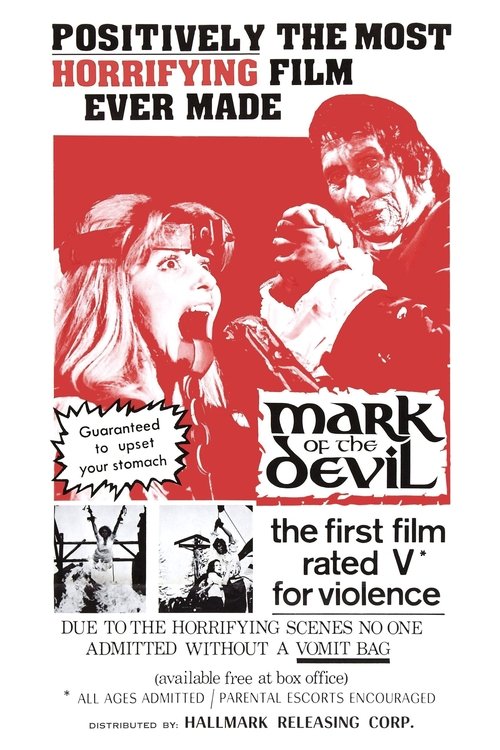
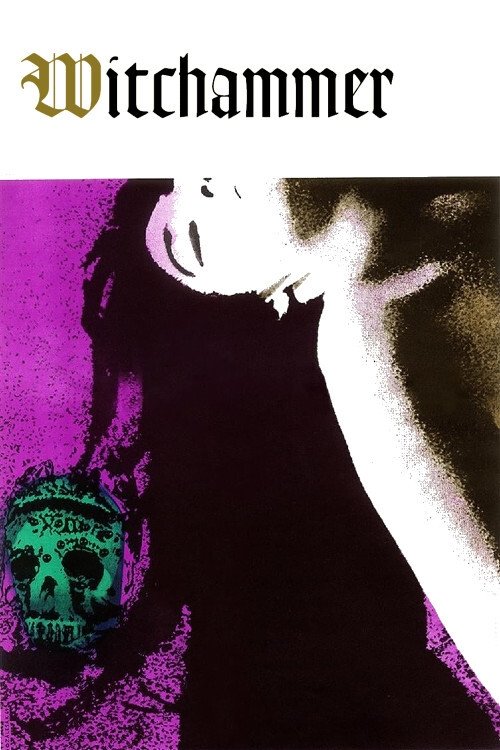
Mark of the Devil
1970
No user ratings available yet
Representation score: 6.1 out of 10
Representation Score
Good
1970
Director
Otakar Vávra
Runtime
107 minutes
Average Rating
No ratings yetNew Showbiz Analysis
Witchhammer is a powerful deconstruction of institutionalized power, using the Moravian witch trials to critique how dogmatic structures weaponize oppression. It excels in its sophisticated critique of religious and state-sanctioned violence, challenging the perceived sanctity of historical Western institutions. However, the film is limited by its historical setting, resulting in an ethnically homogeneous cast and a lack of LGBTQ+ representation. While the focus on the systemic persecution of women is central to its moral inquiry, the narrative does not explore disability through a nuanced lens. Ultimately, the film's strength lies in its examination of how patriarchal and religious authorities maintain control, even as it remains bound by the demographic constraints of its period setting.
Category Breakdown
The film lacks explicit LGBTQ+ characters or non-straight relationships. It focuses strictly on the gendered persecution of women within a rigid, heteropatriarchal framework.
The story centers on the subversion of gender hierarchies by depicting systemic violence against women. It positions male-dominated religious and legal institutions as the primary agents of moral decay.
The cast is ethnically homogeneous, reflecting the historical reality of 16th-century Moravia. The film does not utilize color-blind casting or introduce non-European perspectives.
The film provides a scathing indictment of the Church and judicial apparatus. It frames these Western institutions as corrupt, coercive entities used to maintain social control through terror.
Depictions of physical trauma and bodily violations serve to illustrate institutional cruelty. These scenes focus on political violence rather than exploring the lived experiences of disability or neurodivergence.
Present on Screen
Limited or Absent
Official Synopsis
In the 1600s, an overzealous clergy hauls innocent women in front of tribunals, forces them to confess to imaginary witchery, and engages in brutal torture and persecution of their subjects.
1970
1943
1979
1968
1974
1971
2021
1922
No reviews yet. Be the first to share your thoughts on this movie!
Use the rating form above to leave a star rating and optional review.