Witchcraft
1999
No user ratings available yet
Representation score: 5.0 out of 10
Representation Score
Fair
1981
Director
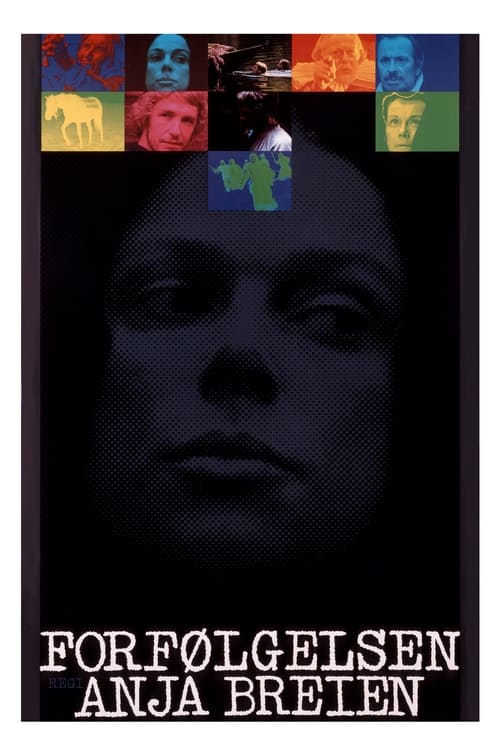
Anja Breien
Runtime
93 minutes
Average Rating
No ratings yetNew Showbiz Analysis
Anja Breien’s *The Witch Hunt* is a landmark of feminist cinema that centers the female experience. By isolating its characters from patriarchal structures, the film successfully deconstructs traditional masculine authority and focuses on the internal dynamics of women. While the film excels in gender subversion and cultural critique, it remains limited in its breadth of identity. The lack of racial diversity and explicit LGBTQ+ narrative arcs prevents a higher overall score, despite the strength of its social commentary.
Category Breakdown
The film explores deep emotional bonds and intimacy between women. However, it lacks explicit LGBTQ+ identities or depictions of non-traditional gender roles.
The film subverts traditional hierarchies by centering an all-female ensemble. Women play a significant role in driving the story, operating independently of male authority.
The cast appears largely homogeneous, reflecting a localized social study. There is no evidence of diverse ethnic casting or race-bending.
The narrative critiques Western patriarchal institutions and traditional family units. It prioritizes female solidarity and individual autonomy over established social hierarchies.
There is no evidence of characters with visible or invisible disabilities. Disability is not used as a plot device.
Present on Screen
Limited or Absent
Official Synopsis
The year is 1630. A young woman in Laupstad comes to a small mountain village. She witnesses a woman being hunted and captured.
1999
1943

2016
2020
1937

1943
2020
2017
No reviews yet. Be the first to share your thoughts on this movie!
Use the rating form above to leave a star rating and optional review.