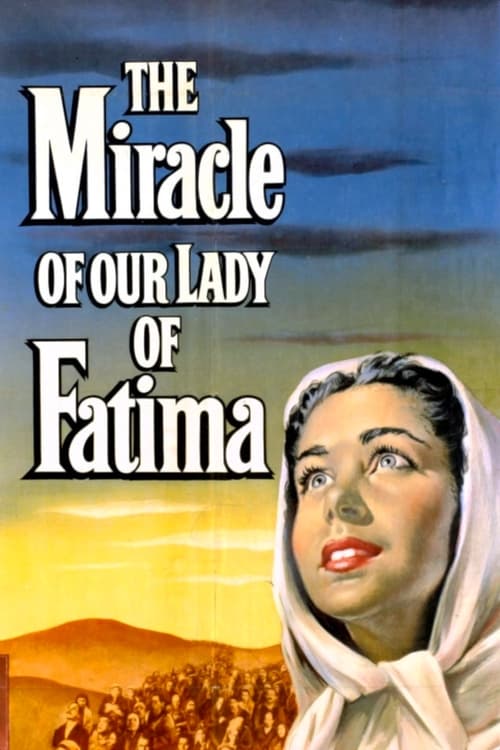
The Miracle of Our Lady of Fatima
1952
No user ratings available yet
Representation score: 1.0 out of 10

Representation Score
Limited
1943
NRDirector
Henry King
Runtime
156 minutes
Average Rating
No ratings yetNew Showbiz Analysis
The film operates as a traditional historical drama that emphasizes spiritual and socioeconomic themes over modern multi-layered frameworks. It successfully gives real power to a female protagonist against a skeptical male establishment, offering a central female perspective that challenges local authority. However, the work adheres closely to the demographic and cultural norms of its era. It lacks intentional subversion of identity politics or systemic critique, presenting a world that is ethnically and socially homogeneous. Ultimately, while the protagonist's spiritual authority provides a unique narrative arc, the film's scope is limited by its historical context and its focus on religious devotion over broader social diversity.
Category Breakdown
The film does not include any depictions of LGBTQ+ identities or queer narratives. The 1858 setting is portrayed through a traditional lens without incorporating queer themes.
The plot revolves around a young female protagonist whose spiritual influence surpasses the male-dominated social order. Despite maintaining period constraints, Bernadette's authority challenges the skepticism of the patriarchal system.
The film depicts a homogeneous French provincial society. The casting reflects the era's lack of ethnic diversity, focusing instead on socioeconomic differences within a single ethnic group.
The narrative explores tensions between personal conviction and Western institutions such as the State and Church. It criticizes the materialist establishment's dismissal of spiritual truths.
The film touches on mental health as the protagonist is labeled 'insane' by society. Her perceived 'otherness' is linked to her lack of education and social standing.
Present on Screen
Limited or Absent
Official Synopsis
In 1858 Lourdes, France, adolescent peasant Bernadette has a vision of "a beautiful lady" in the Massabielle grotto - the townspeople assume this lady to be the Virgin Mary. Pompous government officials think the girl is insane, doing their best to suppress her and her followers, while the church wants nothing to do with the matter. But as Bernadette attracts wider and wider attention, the phenomenon overtakes everyone in the town, ultimately transforming their lives.
1952
1951
2000
1955
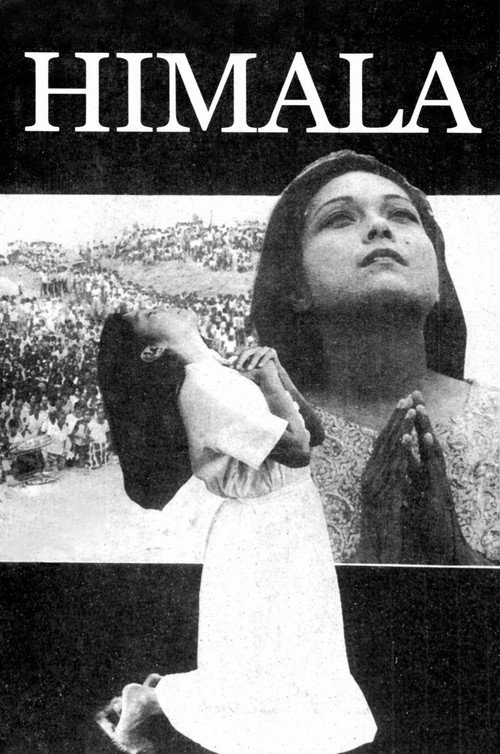
1982
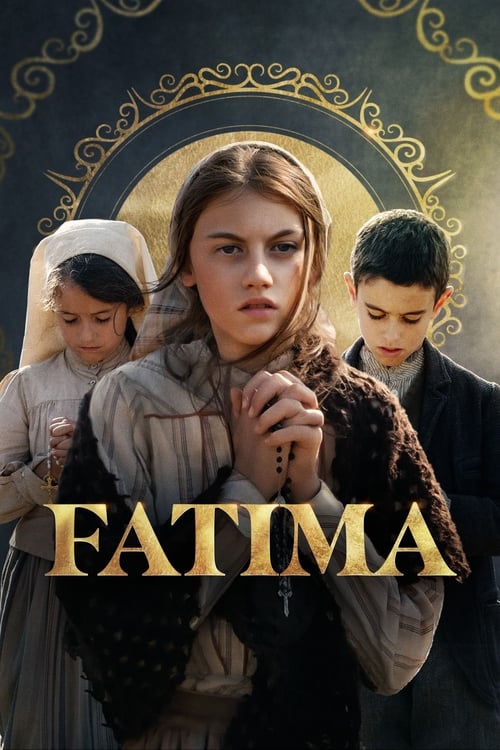
2020
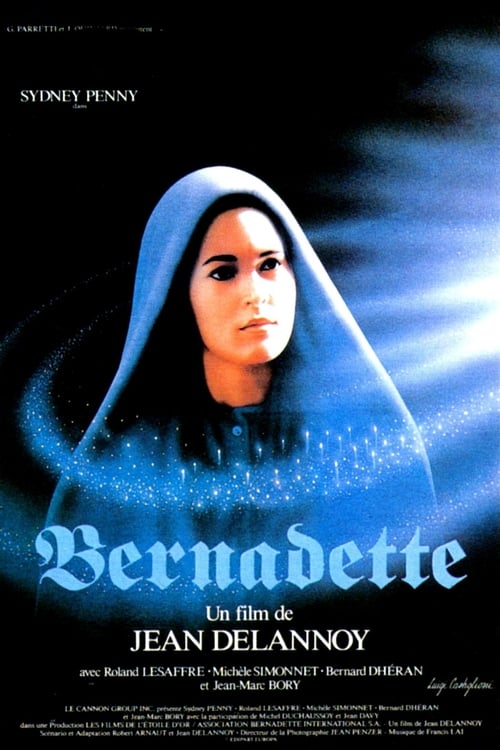
1988
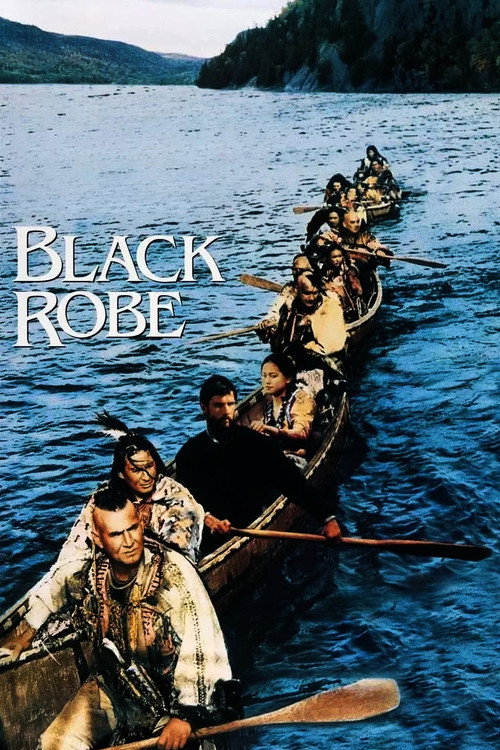
1991
No reviews yet. Be the first to share your thoughts on this movie!
Use the rating form above to leave a star rating and optional review.