Day of Wrath
1943
No user ratings available yet
Representation score: 3.0 out of 10
Representation Score
Fair
1987
Director
Suzanne Schiffman
Runtime
97 minutes
Average Rating
No ratings yetNew Showbiz Analysis
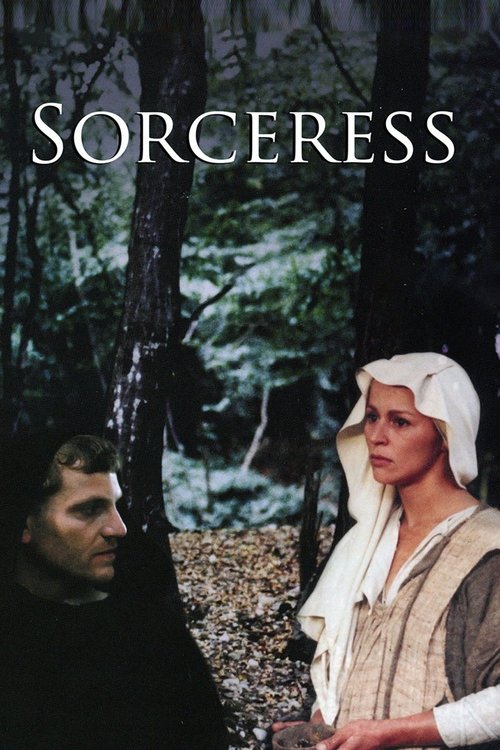
Sorceress is a character-driven historical drama that prioritizes the tension between institutional dogma and individual belief. It excels in its thematic critique of power, using the Inquisition as an antagonistic force to highlight the validity of underrepresented spiritual practices. The film provides a strong foundation for women's ability to drive the story, centering a woman whose herbalism challenges male-dominated social structures. However, the period setting limits racial diversity, and the narrative lacks visibility for LGBTQ+ identities. Ultimately, the film's strength lies in its exploration of 'otherness' and its subversion of traditional religious authority through a localized, non-dogmatic lens.
Category Breakdown
The film does not explicitly depict LGBTQ+ identities or relationships outside of heterosexual norms. The narrative focuses on the conflict between the Inquisition and folk practitioners.
A female healer serves as the central protagonist, possessing specialized knowledge and playing a significant role in driving the story. This disrupts traditional medieval hierarchies by positioning a woman as a powerful figure.
The casting reflects the demographic realities of 13th-century France. While not diverse by modern standards, the story explores the concept of 'otherness' through underrepresented outsiders.
The film critiques centralized religious authority by presenting folk remedies and local cults as valid alternatives. It favors localized spirituality over the dogma of the Inquisition.
There is no clear evidence regarding the portrayal of neurodivergence or physical disabilities. While characters are cured of ailments, their ability to act is not established.
Present on Screen
Limited or Absent
Official Synopsis
Dominican friar Etienne de Bourbon visits a 13th-century French village in search of heretics for the Inquisition. Despite the opposition of the local priest and the indifference of the villagers, he finds a seemingly perfect suspect: a young woman who lives in a forest outside the village and cures people with herbs and folk remedies. In the process, he discovers the cult of the greyhound "Saint" Guinefort, and confronts his own troubled past.
1943
1963
2020
1993
1984
1991
1993

1971
No reviews yet. Be the first to share your thoughts on this movie!
Use the rating form above to leave a star rating and optional review.