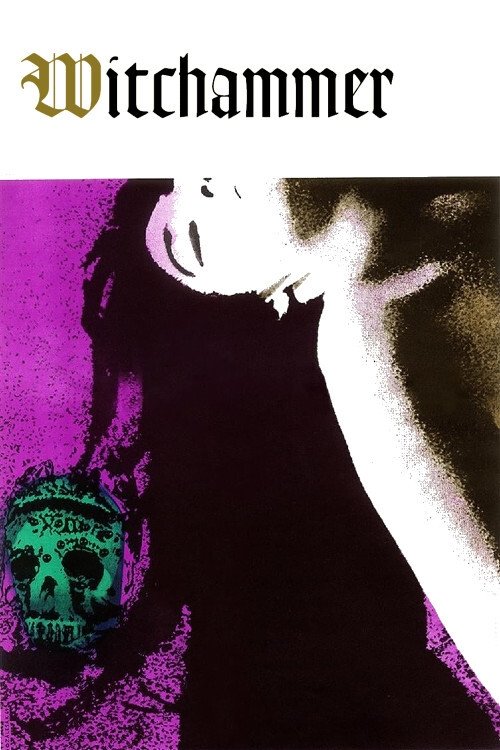
Witchhammer
1970
No user ratings available yet
Representation score: 6.4 out of 10
Representation Score
Good
1970
RDirector
Michael Armstrong, Adrian Hoven
Runtime
96 minutes
Average Rating
No ratings yetNew Showbiz Analysis
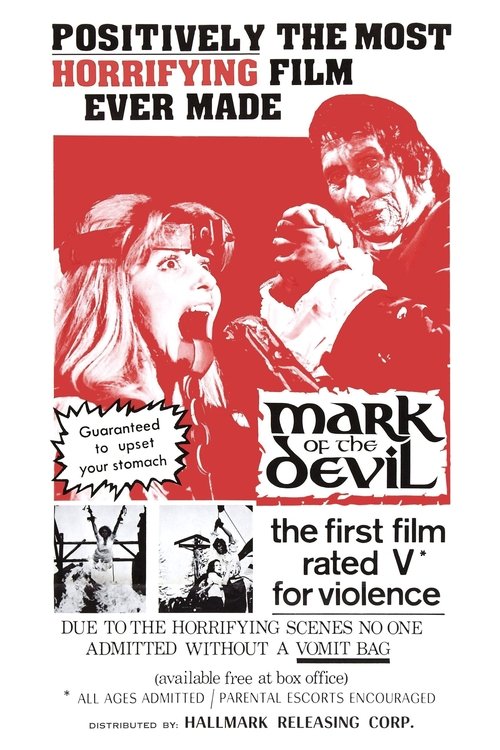
Mark of the Devil is a period horror film that critiques power structures rather than showcasing demographic diversity. While the cast lacks racial and LGBTQ+ diversity due to its historical setting, the film's thematic core is highly subversive. It effectively dismantles patriarchal and religious hierarchies, presenting the Inquisition as a tool for misogyny and corruption. The film's strength lies in its intellectual challenge to established authority rather than its representation of diverse identities. Ultimately, the work serves as a critique of institutionalism, using the brutality of the 1700s to reveal the irrationality of those in power.
Category Breakdown
The film adheres to the social norms of its 17th-century setting, showing no evidence of non-straight relationships or same-sex intimacy.
The narrative focuses on the mistreatment of women by a patriarchal system. It challenges traditional male authority figures by depicting them as irrational and cruel.
The cast is ethnically uniform, reflecting the historical European context of the setting. There is no attempt to include actors from different ethnic backgrounds.
The film portrays religious and state institutions as corrupt and oppressive. It highlights the destructive impact of mass hysteria and institutional violence through religious fanaticism.
Physical trauma and torture are used primarily as plot devices to highlight antagonist cruelty. These elements do not give characters with disabilities a significant role or nuanced identity.
Present on Screen
Limited or Absent
Official Synopsis
In 1700s Austria, a witch-hunter's apprentice has doubts about the righteousness of witch-hunting when he witnesses the brutality, the injustice, the falsehood, the torture and the arbitrary killing that go with the job.
1970
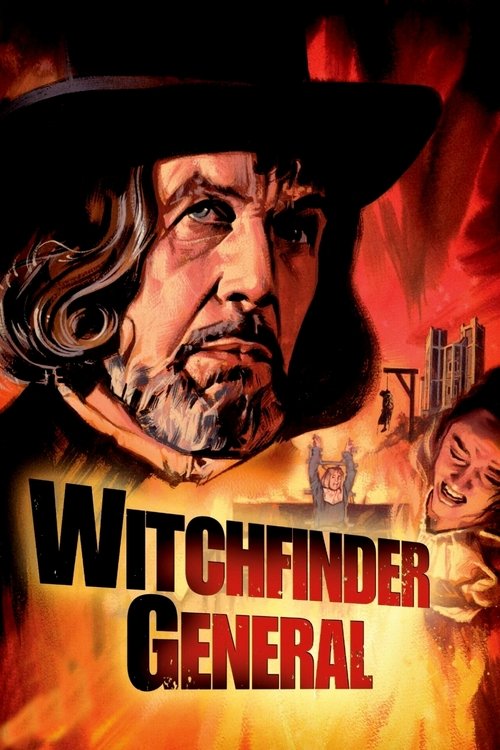
1968
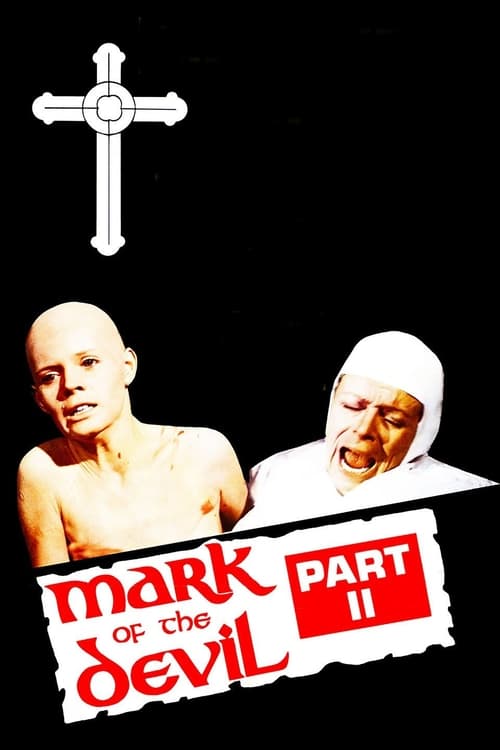
1973
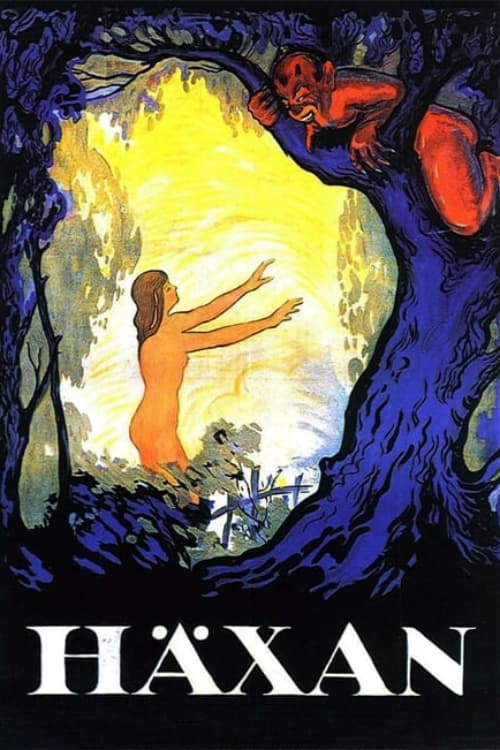
1922
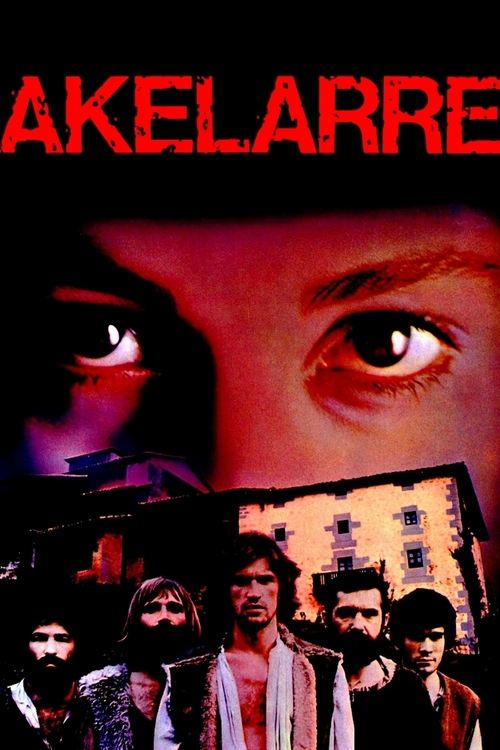
1984
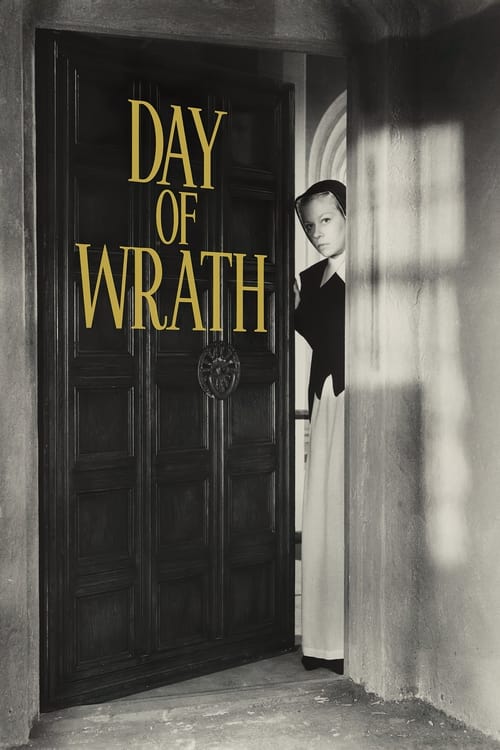
1943
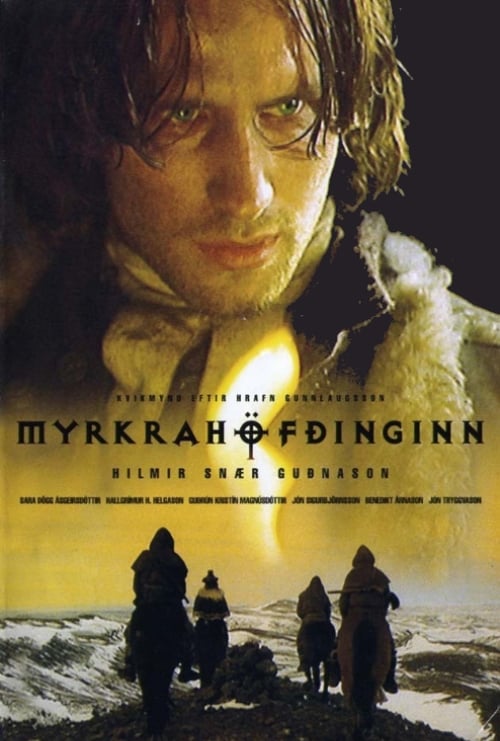
1999

1971
No reviews yet. Be the first to share your thoughts on this movie!
Use the rating form above to leave a star rating and optional review.