
California Suite
1978
No user ratings available yet
Representation score: 2.3 out of 10
Representation Score
Minimal
1971
PGDirector
Arthur Hiller
Runtime
114 minutes
Average Rating
No ratings yetNew Showbiz Analysis
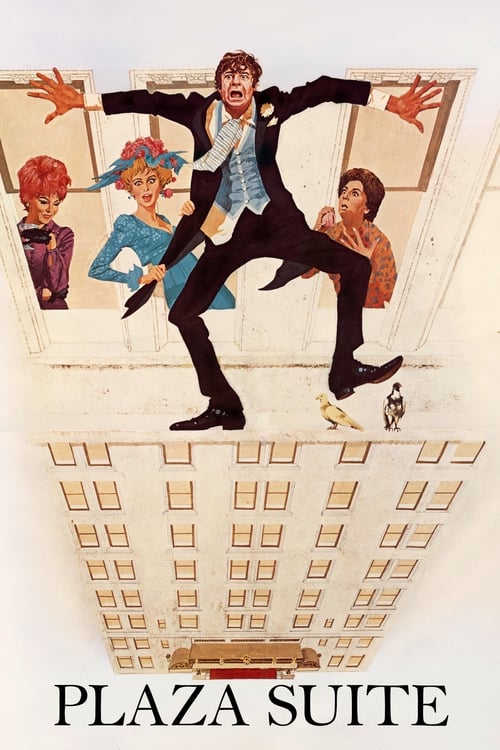
Plaza Suite serves as a period-specific character study that adheres closely to the social and demographic hierarchies of 1971. The narrative structure focuses on the intricacies of the nuclear family and romantic companionship through a traditional lens. While the film offers a nuanced look at domestic friction and the emotional labor of women, it lacks complexity in reflecting multiple aspects of identity. The stories remain tethered to conventional courtship and marital archetypes, offering little representation outside of a narrow, Anglo-centric social environment. Ultimately, the work functions as a study of established gender binaries and Western urban social mores, providing a snapshot of high-society theatrical traditions without challenging systemic structures.
Category Breakdown
The film focuses solely on heterosexual relationships, emphasizing the tensions and anxieties within traditional male-female pairings throughout all three acts.
Female characters have significant screen time to express their desires and disappointments, but they often operate within the constraints of their relationships with men and traditional hierarchies.
The cast is predominantly made up of middle-to-upper-class urbanites, with a notable absence of characters of color driving the central plotlines.
The film prioritizes secular, interpersonal drama over religious or political discourse, observing Western social mores through a lens of romantic realism rather than systemic critique.
There is no representation of physical, sensory, or neurodivergent disabilities. Characters are defined by their social and romantic status rather than any form of disability.
Present on Screen
Limited or Absent
Official Synopsis
Film version of the Neil Simon play has three separate acts set in the same hotel suite in New York's Plaza Hotel with Walter Matthau in a triple role. In the first, Karen Nash tries to get her inattentive husband Sam's attention and help save their failing marriage. In the second, brash film producer Jesse Kiplinger tries to seduce his former one-time flame Muriel. In the third, Roy Hubley and his wife Norma try and persuade their daughter, a bride to-be with cold feet, out of the bathroom before her approaching wedding ceremony.
1978
1970

1982

1968
1981
1967
1989
1972
No reviews yet. Be the first to share your thoughts on this movie!
Use the rating form above to leave a star rating and optional review.