
The Blood of Others
1984
No user ratings available yet
Representation score: 2.9 out of 10
Representation Score
Fair
1966
Director
Claude Chabrol
Runtime
120 minutes
Average Rating
No ratings yetNew Showbiz Analysis
Claude Chabrol’s drama subverts traditional wartime archetypes by focusing on moral ambiguity rather than simple heroism. The film excels at shifting the narrative focus from the male protagonist to his wife, offering a nuanced look at gendered roles during the occupation. However, the film is limited by its intense geographic and historical specificity. Set in a small French village, the story lacks racial and ethnic diversity, reflecting the localized nature of the resistance struggle. Ultimately, while the film provides a sophisticated exploration of ethics and gendered ability to act, its narrow demographic scope prevents a higher multi-layered score.
Category Breakdown
The film centers on the marriage between Pierre and Mary but does not include any explicit LGBTQ+ characters or non-straight relationships.
Mary challenges wartime hierarchies by taking charge of the resistance movement. Initially, Pierre leads, but the narrative shifts to give Mary the highest level of risk and responsibility.
Set in a small Jura village, the film reflects a historically homogeneous European setting. There is no indication of racial blending or non-white actors.
The film deconstructs traditional wartime heroism by focusing on situational ethics. It portrays the German occupation as an oppressive force against the local resistance.
There are no visible or invisible disabilities that impact the character arcs or the direction of the narrative.
Present on Screen
Limited or Absent
Official Synopsis
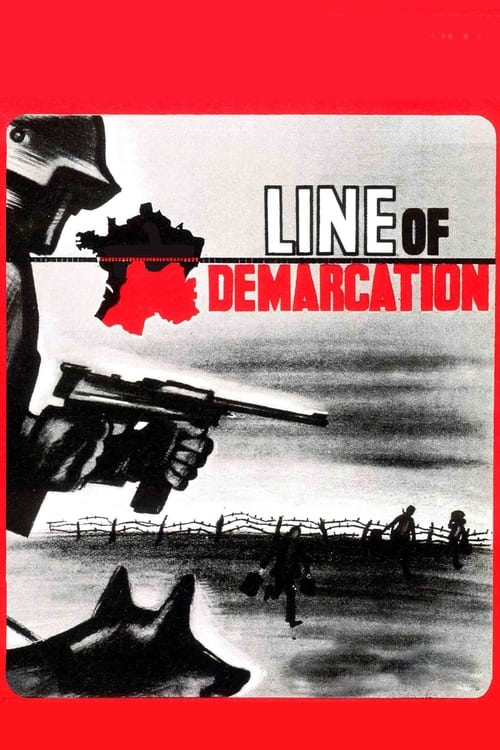
It is based on upon the memoir Mémoires d'un agent secret de la France libre et La Ligne de démarcation by Gilbert Renault under his pseudonym Colonel Rémy. A small village in the Jura is split by the river Loue which creates the line of demarcation between Nazi occupied France and freedom. A French officer, Pierre, is released by the Nazi soldiers to find his chateau converted into a German command centre. Whilst he is obliged to co-operate with the enemy, his wife Mary supports the resistance movement and is willing to risk her life for it. The Nazis step up their activity against the resistance, insisting that any who attempt to cross the line of demarcation will be shot. When his wife is arrested, Pierre decides to switch his allegiance.
1984
1974
1943
1945
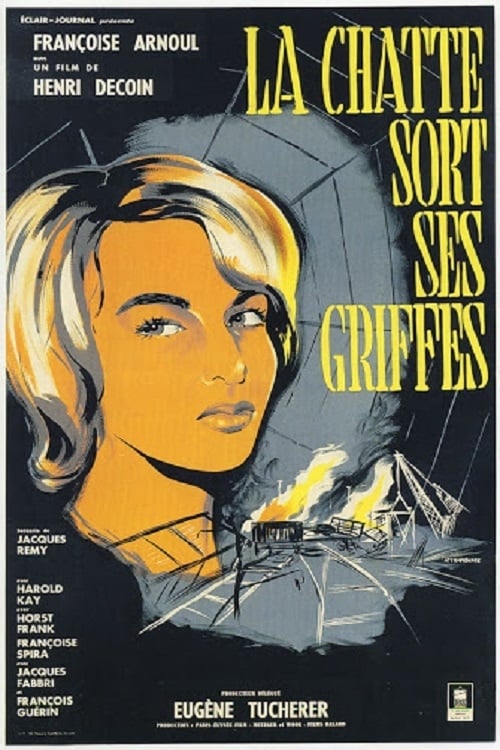
1960
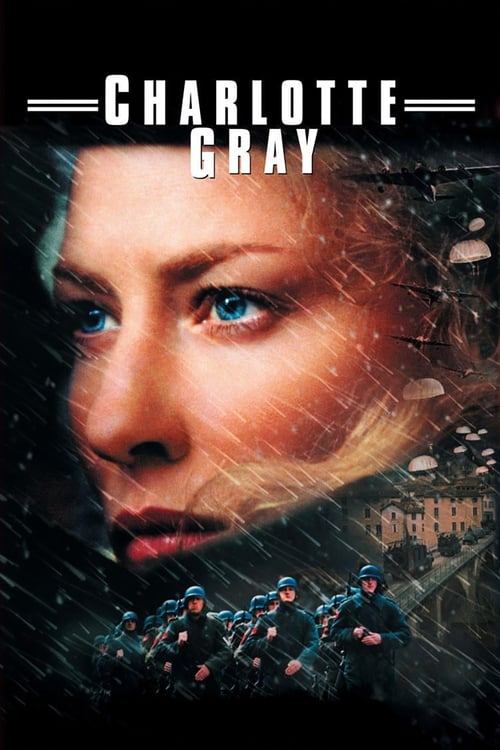
2001
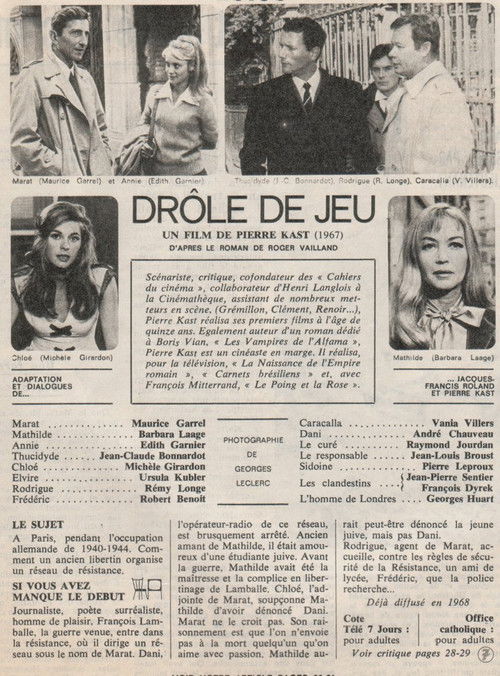
1968
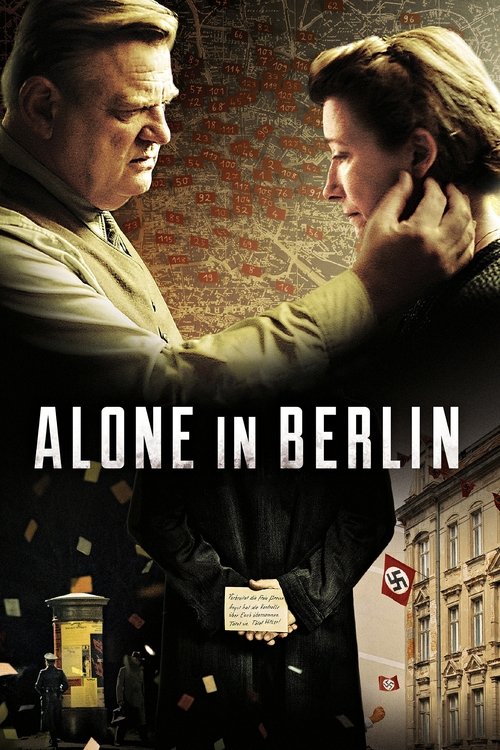
2016
No reviews yet. Be the first to share your thoughts on this movie!
Use the rating form above to leave a star rating and optional review.