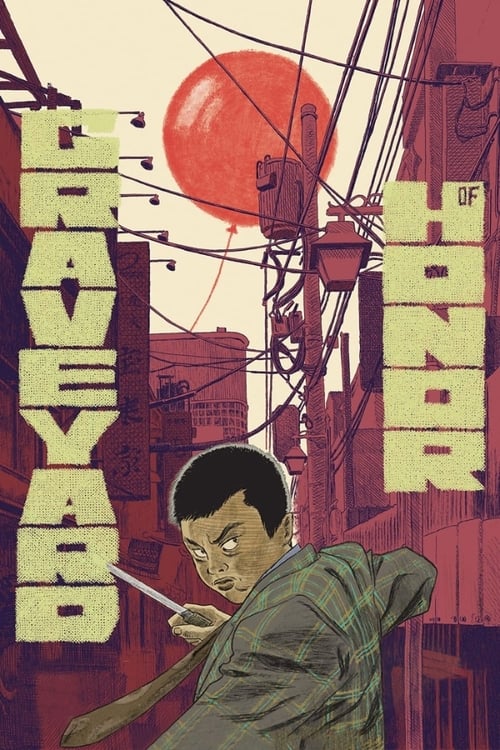
Graveyard of Honor
1975
No user ratings available yet
Representation score: 4.2 out of 10

Representation Score
Limited
1962
Director
Kinji Fukasaku
Runtime
89 minutes
Average Rating
No ratings yetNew Showbiz Analysis
This postwar thriller prioritizes a critique of systemic issues over social representation. Despite lacking diversity in gender and LGBTQ+ identities, the film excels in its cultural commentary. By exploring the friction between local populations and foreign occupation forces, it moves beyond simplistic morality. Using the investigation of arms smuggling, it deconstructs the stability of postwar institutions. Ultimately, the film serves as a critique of political corruption and journalistic cowardice, offering a nuanced look at power dynamics.
Category Breakdown
The film does not depict any non-binary or transgender identities. The storyline focuses solely on male characters.
The story emphasizes male-driven roles in journalism and arms trading. It does not challenge traditional mid-century gender roles.
The film examines the tension between Japanese society and American occupation forces during postwar reconstruction. It highlights the complex power dynamics involved.
The narrative critiques institutional hypocrisy and political corruption. It challenges the perceived integrity of postwar political structures.
There are no prominent depictions of physical or neurodivergent disabilities. These elements do not significantly influence the central narrative.
Present on Screen
Limited or Absent
Official Synopsis
Journalist Kuroki is investigating clandestine arms sales to Southeast Asia. He discovers that the point man in an arms trade was also involved in the cover-up of a murder on an American base during the Allied Occupation. The film rolls along as a suspenseful thriller while offering a critique of political corruption, hypocrisy, and journalistic cowardice in postwar Japan.
1975

1973

1966

1967

1977

2018

1960

1963
No reviews yet. Be the first to share your thoughts on this movie!
Use the rating form above to leave a star rating and optional review.