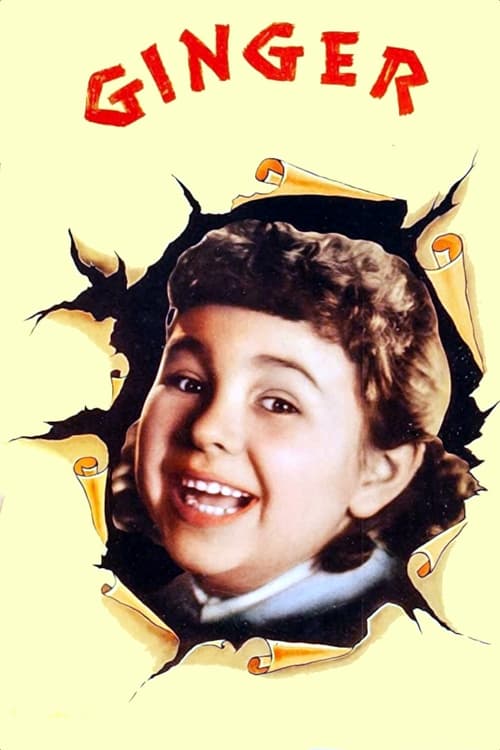
Ginger
1935
No user ratings available yet
Representation score: 1.1 out of 10
Representation Score
Minimal
1939
ApprovedDirector
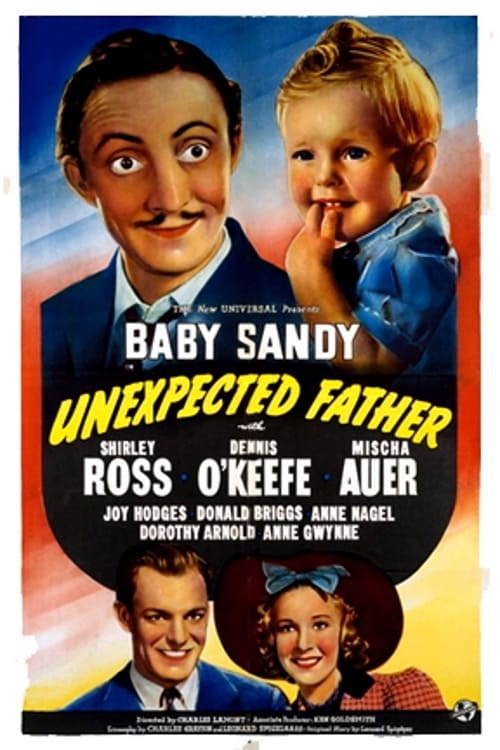
Charles Lamont
Runtime
78 minutes
Average Rating
No ratings yetNew Showbiz Analysis
Unexpected Father is a product of the 1939 studio system, prioritizing situational comedy and conventional social resolutions. The narrative centers on a male protagonist's transition into fatherhood and his professional struggles, adhering to the era's standard domestic arcs. Representation is limited, reflecting the period's lack of depth in addressing multiple aspects of identity. The film operates within a narrow framework of traditional gender roles and homogeneous social structures, offering little to challenge established hierarchies. While the plot explores themes of responsibility and the sudden transition into parenthood, these are framed through a conventional lens that reinforces existing social norms rather than subverting them.
Category Breakdown
The film does not include any LGBTQ+ identities or narratives. Romantic relationships follow traditional structures typical of 1930s cinema.
Diana plays a significant role by negotiating with the manager to help Jimmy. However, her actions mainly support the male protagonist's career and domestic stability.
The cast appears to be homogeneous, with no evidence of diverse ethnic backgrounds or meaningful roles for underrepresented groups.
The story emphasizes traditional Western values related to family duty and responsibility, focusing on caring for an orphaned child.
A character's bout with measles serves only as a plot device to create conflict. There is no nuanced exploration of illness or disability.
Present on Screen
Limited or Absent
Official Synopsis
Jimmy Hanley learns that his former dancing partner has been killed, leaving a baby boy Sandy, so he takes the baby to live with him and his roommate Boris Bebenko. Theatre manager Allen Rand threatens to fire Jimmy for neglecting his work, but Jimmy's girlfriend Diana squares things by going to dinner with Rand over Jimmy's objections. Sandy catches measles and the quarantine causes Jimmy and Boris to miss a big audition.
1935

1921
1930

1942
1929
1942
1934
1929
No reviews yet. Be the first to share your thoughts on this movie!
Use the rating form above to leave a star rating and optional review.