
The Romance of Rosy Ridge
1947
No user ratings available yet
Representation score: 0.8 out of 10

Representation Score
Minimal
1934
ApprovedDirector
John Ford
Runtime
80 minutes
Average Rating
No ratings yetNew Showbiz Analysis
Judge Priest is a traditionalist character study that emphasizes the restoration of social order. The narrative structure centers on established community hierarchies and the authority of local institutions. While the film provides insight into the social structures of post-Civil War Kentucky, it adheres strictly to the social norms of its time. It upholds existing gender and racial hierarchies without challenging them through diverse perspectives or complex representations.
Category Breakdown
The film does not include any LGBTQ+ characters or representations of non-straight relationships. The story focuses solely on heterosexual relationships and traditional family structures.
The story emphasizes male-dominated environments such as courts and local politics. Women are present but mainly in traditional roles like homemakers or supporters.
The cast is mostly white, focusing on the white community's reconciliation after the Civil War. Black characters have minimal involvement in the main storyline.
The film highlights traditional Western institutions and the legal system. It portrays the restoration of local governance and community stability positively.
There are no significant depictions of visible or invisible disabilities. No character's arc revolves around neurodivergence or physical impairments.
Present on Screen
Limited or Absent
Official Synopsis
Judge Priest, a proud Confederate veteran, restores the justice in a small town in the Post-Bellum Kentucky using his common sense and his great sense of humanity.
1947
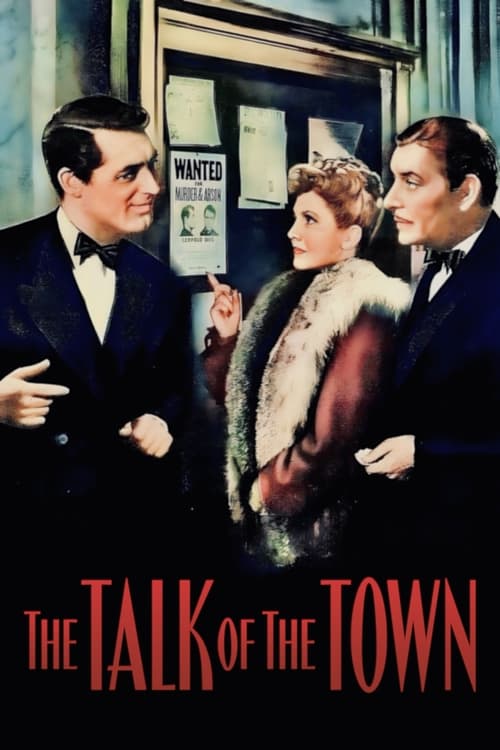
1942

1935
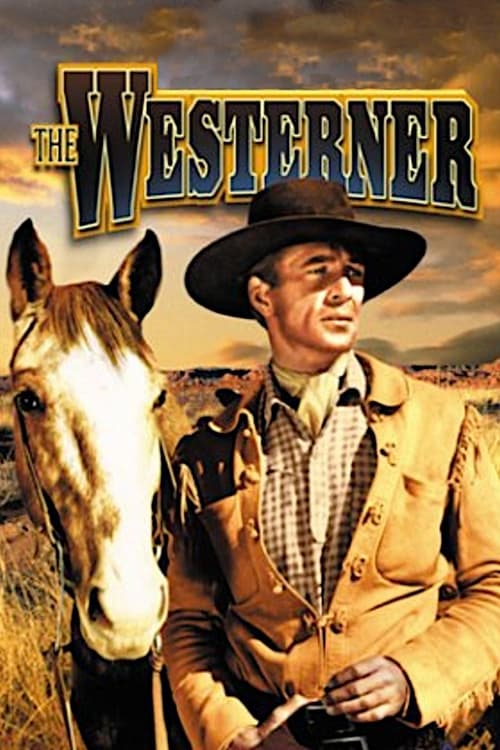
1940

1951
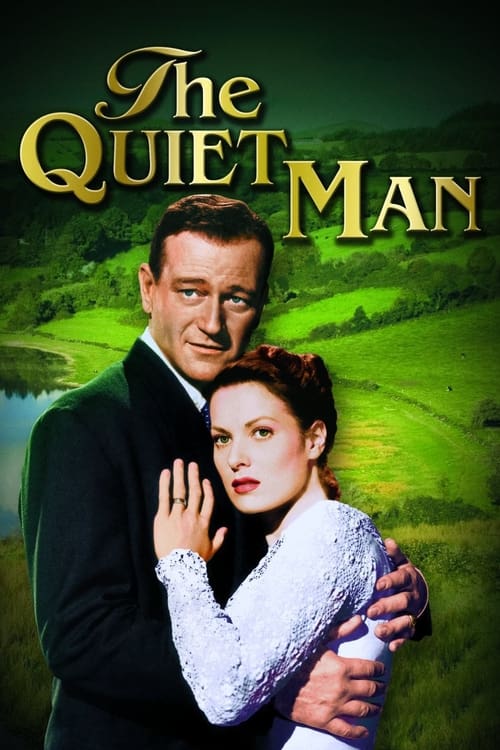
1952
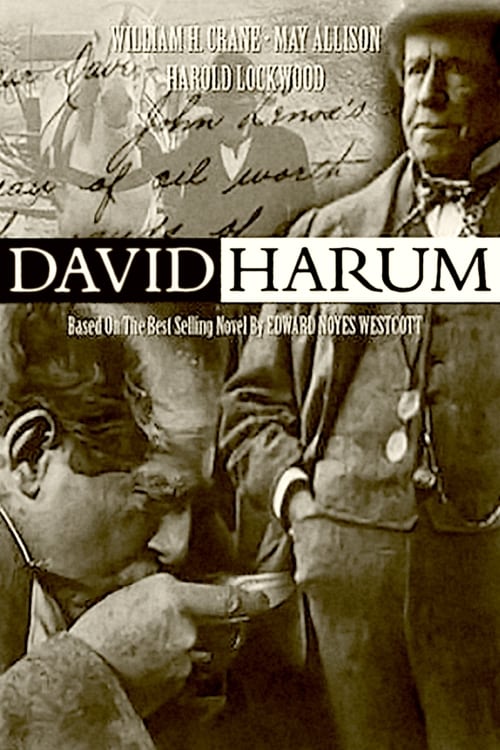
1915
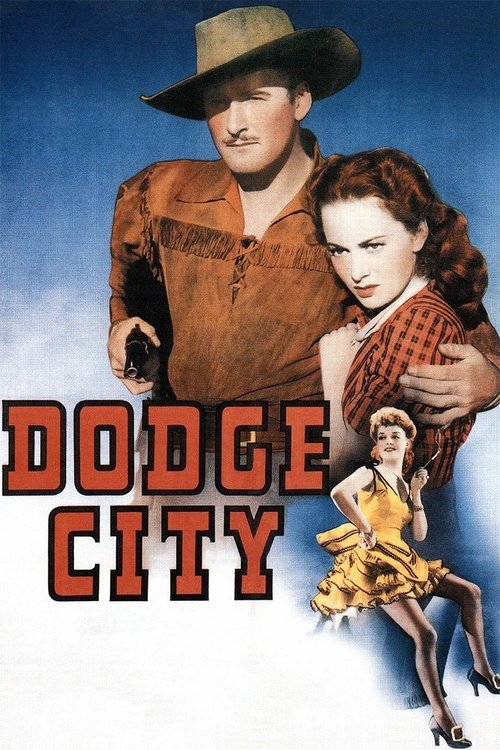
1939
No reviews yet. Be the first to share your thoughts on this movie!
Use the rating form above to leave a star rating and optional review.