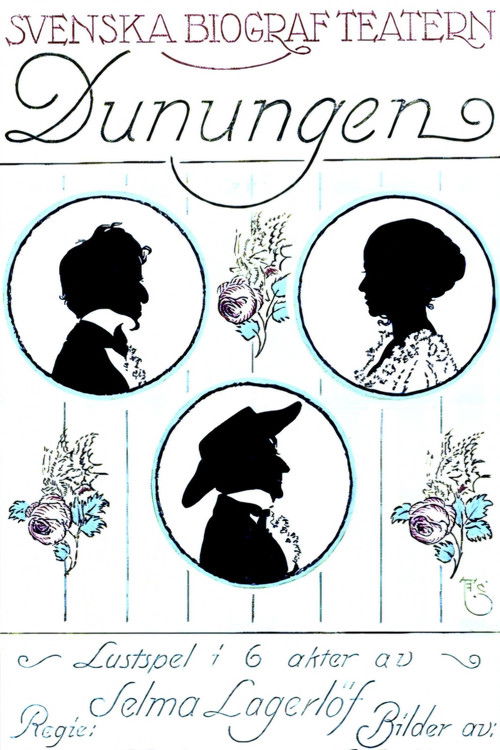
The Downy Girl
1919
No user ratings available yet
Representation score: 1.6 out of 10
Representation Score
Minimal
1927
PassedDirector
Sam Taylor
Runtime
80 minutes
Average Rating
No ratings yetNew Showbiz Analysis
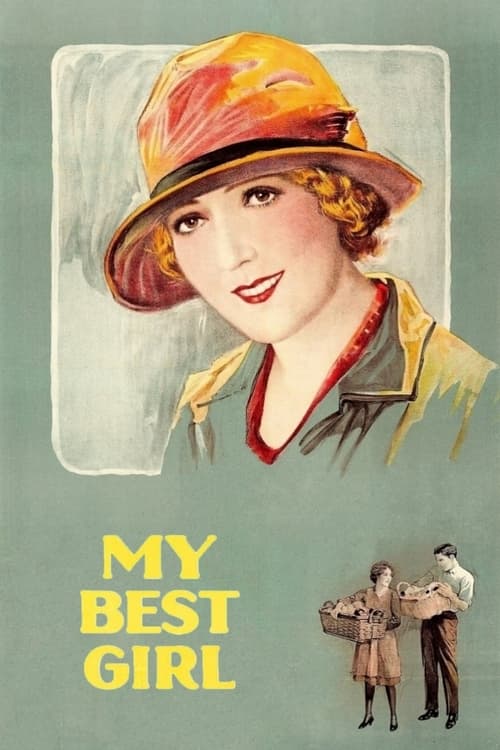
My Best Girl is a classic example of a 1920s romantic comedy that upholds the social and demographic norms of its time. The plot revolves around a wealthy man proving himself through manual labor, exploring class mobility but settling into traditional romantic clichés. The film lacks diverse representation, presenting a homogeneous Western-centric demographic. While it critiques parental capitalism, it does not challenge the patriarchal or racial status quo of the era. Ultimately, it serves as a window into early 20th-century values, emphasizing courtship and class-based social structures over diverse storytelling.
Category Breakdown
The film focuses solely on heterosexual relationships, with no representation of non-binary gender identities or same-sex intimacy.
The story adheres to 1920s gender roles, where the male lead drives the main conflict. Maggie Johnson adds emotional depth but remains primarily an object of romantic pursuit.
The cast reflects a homogeneous society typical of the 1920s. The story lacks characters of color who have significant roles or multi-layered backgrounds.
The film examines socioeconomic class and the tension between inherited wealth and self-made success. It emphasizes traditional social structures and the stability of the nuclear family.
There are no visible or invisible disabilities portrayed within the main character arcs. Disability is not used as a narrative tool for character development.
Present on Screen
Limited or Absent
Official Synopsis
Joe Merrill, son of the millionaire owner of a chain of 5 and 10 cent stores, poses as Joe Grant, and takes a job in the stockroom of one of his father's stores, to prove that he can be a success without his father's influence. There he meets stockroom girl Maggie Johnson, and they fall in love. This causes problems, because Mrs. Merrill had planned for her son to marry Millicent Rogers, a high society girl.
1919
1928
1931

1936

1928
1927
1915

1933
No reviews yet. Be the first to share your thoughts on this movie!
Use the rating form above to leave a star rating and optional review.