
Hell's Hinges
1916
No user ratings available yet
Representation score: 0.4 out of 10
Representation Score
Minimal
1917
NRDirector
John Ford
Runtime
54 minutes
Average Rating
No ratings yetNew Showbiz Analysis
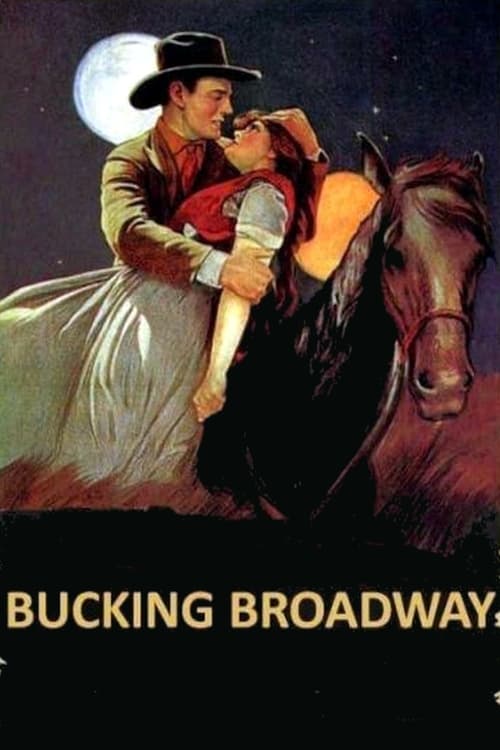
Bucking Broadway serves as a foundational text for the Western genre, emphasizing traditional social hierarchies and moral structures. Rather than presenting a multi-layered approach, the film reinforces the norms of the era. It relies on a romanticized mythos of the frontier to propel its plot and character motivations. Ultimately, the film reinforces early 20th-century social expectations, focusing on rugged individualism and traditional gender roles.
Category Breakdown
The film adheres to a traditional romantic structure centered around heterosexual relationships. The central conflict revolves around two men competing for a woman's attention.
The female protagonist plays a minor role in driving the story and ends up needing rescue to return to a traditional rural setting.
The setting and cast reflect a homogeneous Western archetype. There is no evidence of diverse representation or non-white characters.
The story upholds traditional Western values and rural morality. It portrays the city as unstable compared to the idealized American frontier.
There is no evidence of characters with physical or neurodivergent disabilities in this work.
Present on Screen
Limited or Absent
Official Synopsis
On a ranch in Wyoming, one of the cowboys, Cheyenne Harry (Harry Carey), falls in love with his boss's daughter. But she decides to elope to the city with Captain Thornton, a wealthy visitor to the ranch. She quickly discovers that life in the city is not what she expected. Cheyenne, devastated by the loss of his fiancée, decides to go to the city to find her, and in the end rescues her from the grips of Captain Thornton and from the extravagant and decadent way of life in the city.
1916
1928
1912

1930

1930

1925
1923
1930
No reviews yet. Be the first to share your thoughts on this movie!
Use the rating form above to leave a star rating and optional review.