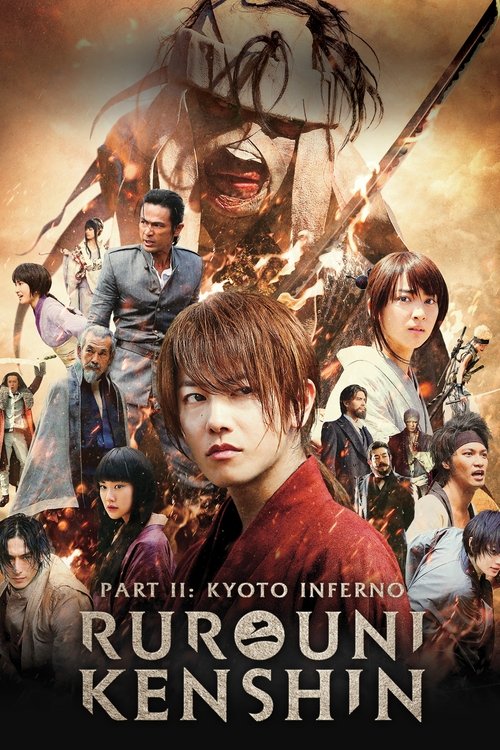
Rurouni Kenshin Part II: Kyoto Inferno
2014
No user ratings available yet
Representation score: 6.3 out of 10
Representation Score
Limited
2012
TV-MADirector
Keishi Otomo
Runtime
134 minutes
Average Rating
No ratings yetNew Showbiz Analysis
Rurouni Kenshin is a character-driven story focused on atonement and the tension of a changing era. It stands out by deconstructing the traditional warrior archetype through Kenshin's refusal to kill, providing a nuanced examination of morality during rapid modernization. Despite the lack of broad demographic variety, the film excels in challenging traditional gender roles. The active role of Kamiya Kaoru as a martial arts practitioner offers a strong counterpoint to historical expectations. However, the film remains confined to a narrow scope. The absence of LGBTQ+ representation and disability visibility, along with a culturally uniform cast, confines the narrative to a specific historical and social context.
Category Breakdown
The film does not include any LGBTQ+ characters or explore non-straight relationships. The story focuses solely on the personal dynamics of the main characters within a traditional setting.
Kamiya Kaoru challenges the societal norms of the Meiji era by serving as a martial arts practitioner and dojo leader. Her active role defies the era-specific expectations of passive femininity through her physical and moral support.
The cast reflects the cultural homogeneity of 19th-century Japan. The story emphasizes internal social changes rather than ethnic diversity or varied cultural backgrounds.
The film critiques traditional institutions by depicting the Meiji transition as a source of instability. Kenshin’s non-lethal vow rejects established samurai codes in favor of personalized morality.
There are no prominent depictions of physical or neurodivergent disabilities. No characters with disabilities play central roles in the narrative.
Present on Screen
Limited or Absent
Official Synopsis
In 1868, after the Bakumatsu war ends, the ex-assassin Kenshin Himura traverses Japan with an inverted sword, to defend the needy without killing.
2014

2014
2021
2021
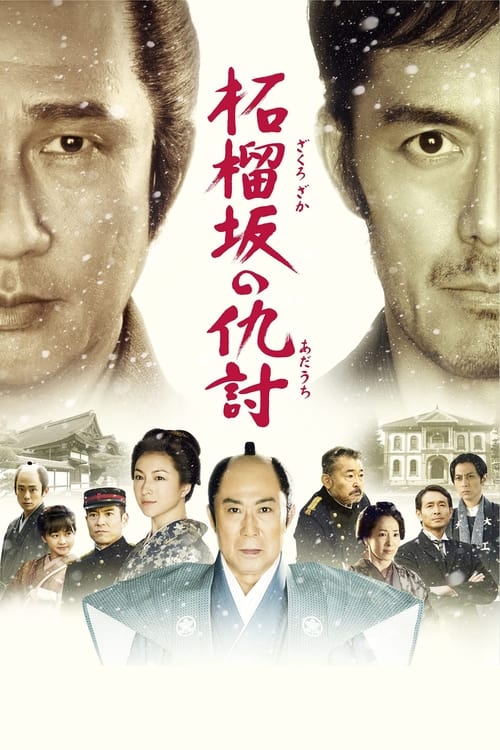
2014
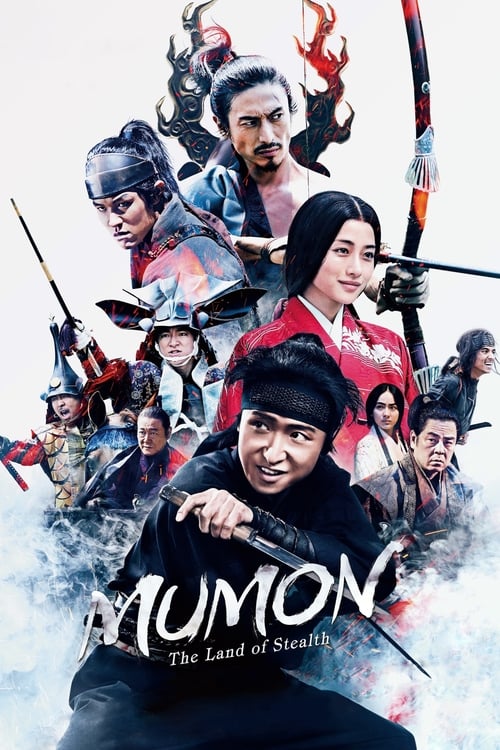
2017
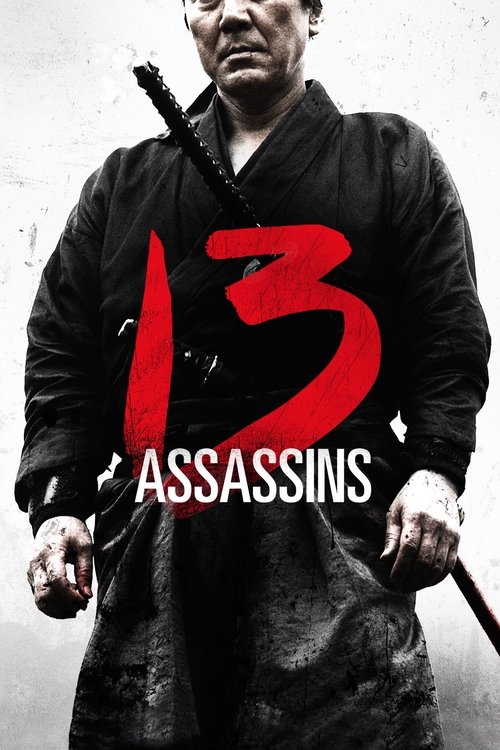
2010
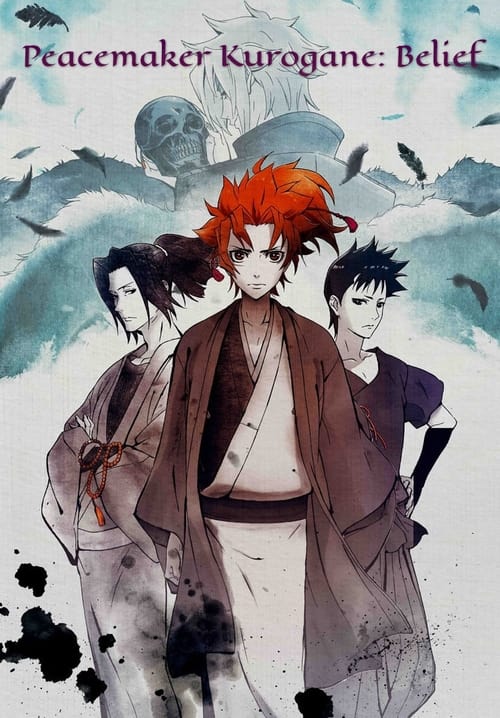
2018
No reviews yet. Be the first to share your thoughts on this movie!
Use the rating form above to leave a star rating and optional review.