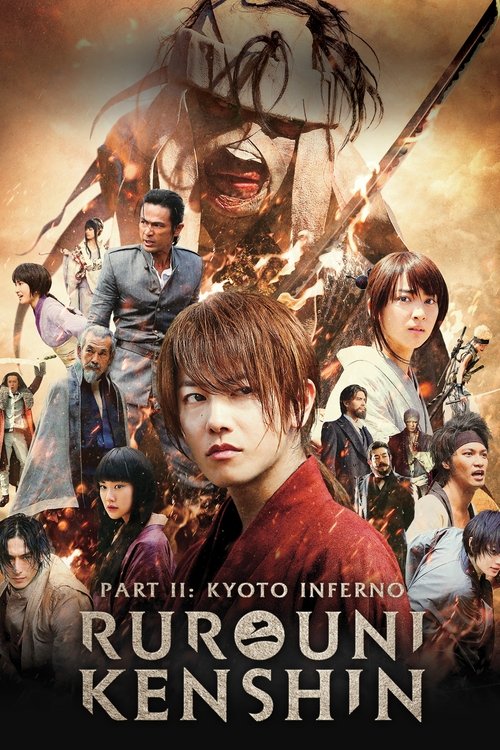
Rurouni Kenshin Part II: Kyoto Inferno
2014
No user ratings available yet
Representation score: 6.3 out of 10

Representation Score
Fair
2014
TV-MADirector
Keishi Otomo
Runtime
135 minutes
Average Rating
No ratings yetNew Showbiz Analysis
The film excels at using its historical setting to critique institutional corruption and the instability of modern progress. Its strength lies in a sophisticated deconstruction of Western-influenced modernization and moral relativism. However, the narrative remains tethered to traditional clichés. It relies on male-centric combat resolutions and maintains a culturally homogeneous cast that reflects the period without challenging historical norms. Ultimately, while the film offers a layered critique of authority, it lacks diversity in identity representation, particularly regarding LGBTQ+ presence and nuanced disability portrayals.
Category Breakdown
The film focuses on traditional heterosexual relationships and does not include non-cisgender identities or narratives that question heterosexuality.
Kamiya Kaoru plays a significant role through her martial arts skills, avoiding the passive bystander cliché. However, the narrative centers on male-driven combat and traditional action hierarchies.
The cast is culturally uniform, reflecting the demographic realities of the Meiji era. The story focuses on internal Japanese socioeconomic changes without addressing multi-layered racial dynamics.
The film effectively critiques rapid Westernization and the corruption of Meiji-era institutions. It uses the antagonist to explore systemic failures and the instability of centralized authority.
Shishio Makoto’s physical scars serve as a symbol for his social Darwinism philosophy. The film lacks nuanced exploration of disability or neurodivergence beyond these ideological markers.
Present on Screen
Limited or Absent
Official Synopsis
Shishio sets sail in his ironclad ship to bring down the government. In order to stop him, Kenshin trains with his old master to learn his final technique.
2014
1974
2021
2022
2012
1990

2009
2021
No reviews yet. Be the first to share your thoughts on this movie!
Use the rating form above to leave a star rating and optional review.