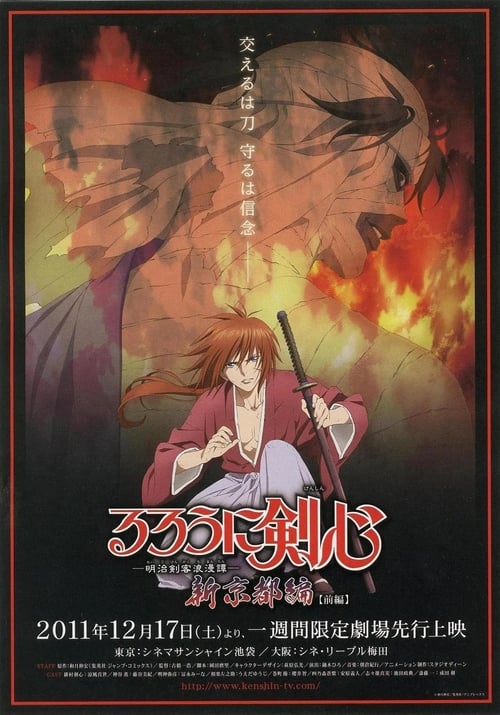
Rurouni Kenshin: New Kyoto Arc: Cage of Flames
2011
No user ratings available yet
Representation score: 8.0 out of 10
Representation Score
Limited
2018
Director
Shigeru Kimiya
Runtime
109 minutes
Average Rating
No ratings yetNew Showbiz Analysis
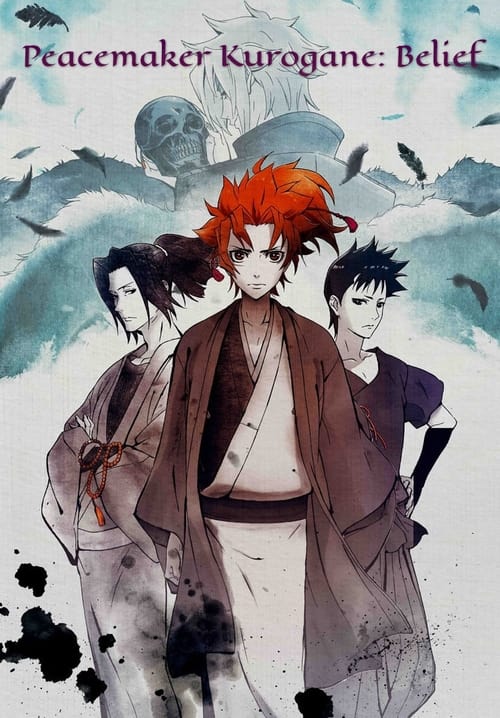
Peacemaker Kurogane is a character-driven historical drama that closely follows traditional genre conventions. The story centers on Tetsunosuke's personal trauma and his journey within the Shinsengumi. While the film provides a nuanced look at the psychological impact of violence, it lacks complexity in addressing diverse identities. The narrative remains rooted in historical homogeneity and traditional masculine archetypes of honor and combat. Ultimately, the work explores internal factionalism and duty without challenging conventional social hierarchies.
Category Breakdown
The story focuses on the protagonist's quest for revenge and his integration into the Shinsengumi. There is no explicit depiction of LGBTQ+ identities or non-straight relationships.
The narrative emphasizes traditional masculine roles and honor within male-dominated historical structures. Gender diversity and subversion are not addressed.
The cast reflects the specific ethnic context of the Bakumatsu period in Japan. Modern racial diversity is not represented.
The film explores the tension between personal morality and the strict requirements of historical institutions. It focuses on the pain and duty inherent in these contexts.
There is no information about characters with visible or invisible disabilities or neurodivergence. No representation in this category is identified.
Present on Screen
Limited or Absent
Official Synopsis
Although traumatized by witnessing the murder of his parents by one of the Choushuu, Ichimura Tetsunosuke's thirst for revenge leads him to desire strength. At the age of 15, Tetsunosuke approached the Shinsengumi, wanting to become one of its members. However, Tetsunosuke lacked the skill, mind, and will to emotionlessly cut down whoever threatened peace and the Shinsengumi. Even with the support of his brother Tatsunosuke and his newfound friends of the Shinsengumi, little did Tetsunosuke know the blood and pain he would have to face being part of this historical group.
2011
1997
2011

1974
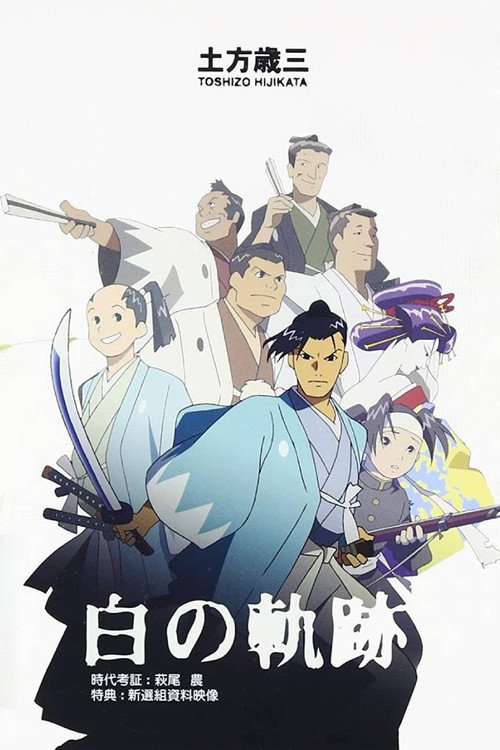
2004
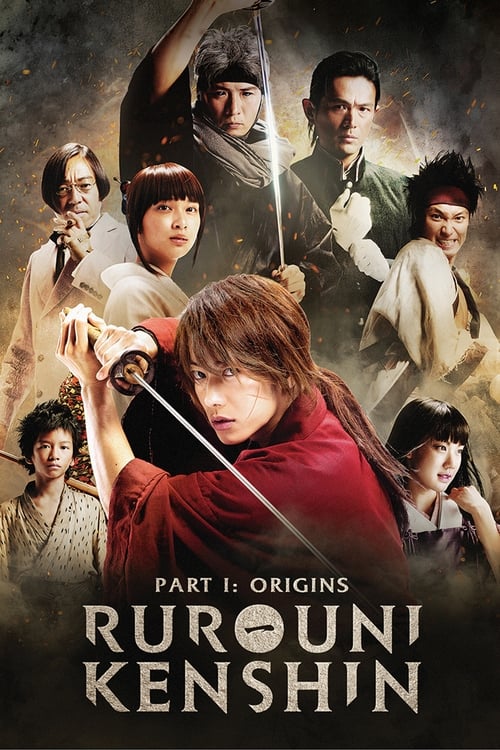
2012
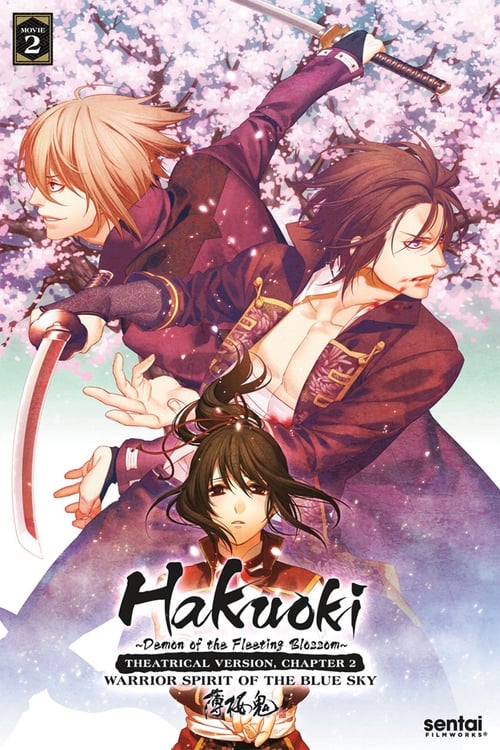
2014
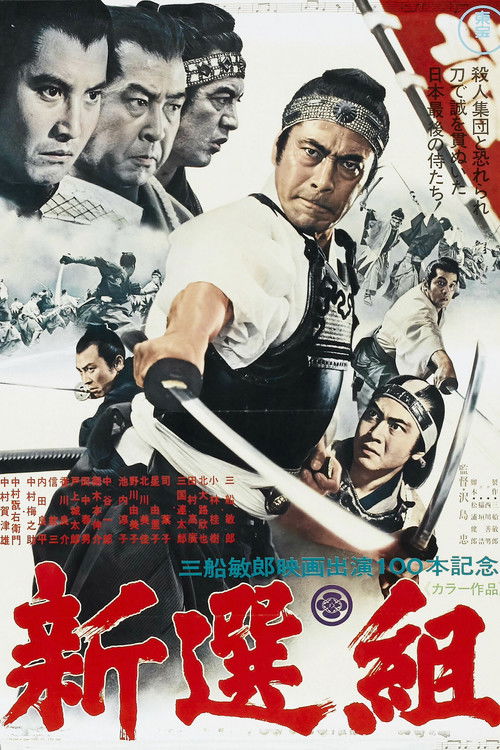
1969
No reviews yet. Be the first to share your thoughts on this movie!
Use the rating form above to leave a star rating and optional review.