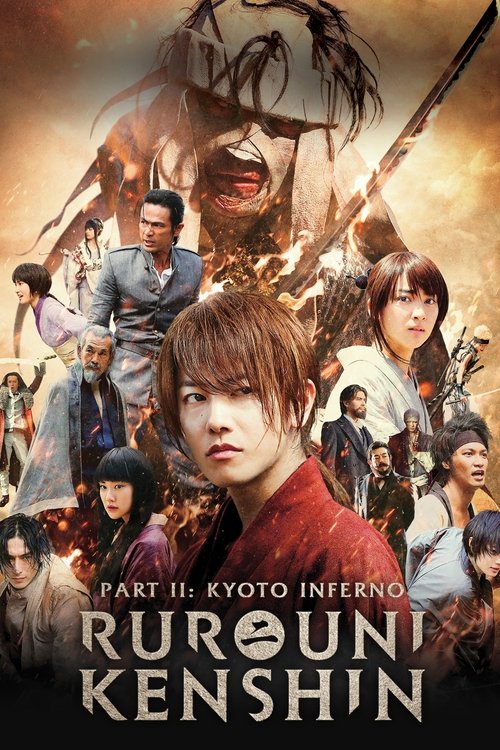
Rurouni Kenshin Part II: Kyoto Inferno
2014
No user ratings available yet
Representation score: 6.3 out of 10
Representation Score
Good
2021
TV-MADirector
Keishi Otomo
Runtime
138 minutes
Average Rating
No ratings yetNew Showbiz Analysis
The film is a period drama that emphasizes psychological complexity and moral ambiguity over demographic diversity. While it lacks modern characters who reflect more than one aspect of diversity, it excels in subverting traditional hero narratives through intricate character development. The film's strength lies in its handling of gender and cultural themes. By giving Tomoe a significant role in driving the story and critiquing the Shogunate's structures, the film goes beyond simplistic action formulas into more sophisticated territory. However, the historical setting naturally limits LGBTQ+ and racial diversity. The narrative focuses on the internal struggles of the protagonist rather than a broad range of human identities.
Category Breakdown
The film adheres to an assumption that everyone is straight or cisgender. There are no queer subtexts or characters with non-traditional gender identities.
Tomoe challenges traditional gender roles by having a significant role in driving the story and a complex inner life. She drives the plot rather than being a passive figure.
Set in late Edo-period Japan, the film portrays a culturally uniform society. Diversity is shown through economic differences, such as rōnin and insurgents, rather than ethnic diversity.
The film explores moral ambiguity during the Bakumatsu era by questioning institutional power. It presents a nuanced view of justice and political violence.
Representation of disability is limited, focusing mainly on psychological trauma. Disability serves as a tool for character development rather than a central theme.
Present on Screen
Limited or Absent
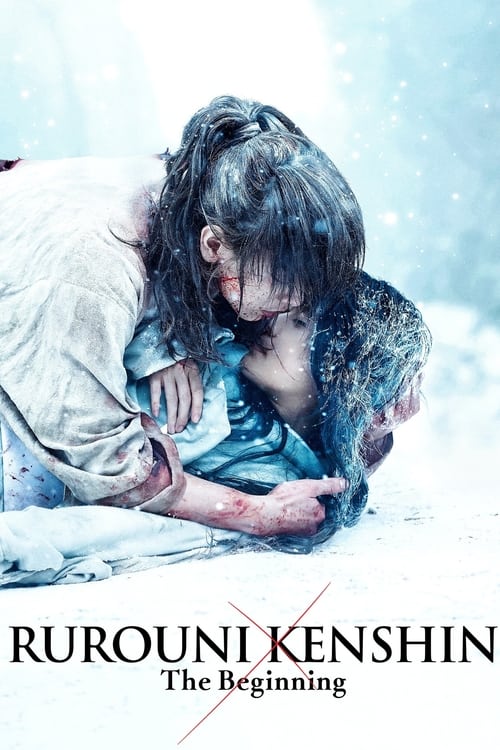
Official Synopsis
Before he was a protector, Kenshin was a fearsome assassin known as Battosai. But when he meets gentle Tomoe Yukishiro, a beautiful young woman who carries a huge burden in her heart, his life will change forever.
2014

1956
2012

1997

2021
2016

2014
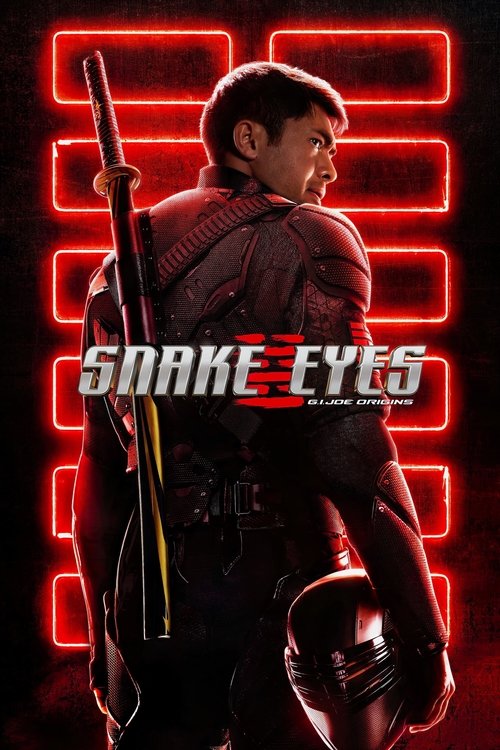
2021
No reviews yet. Be the first to share your thoughts on this movie!
Use the rating form above to leave a star rating and optional review.