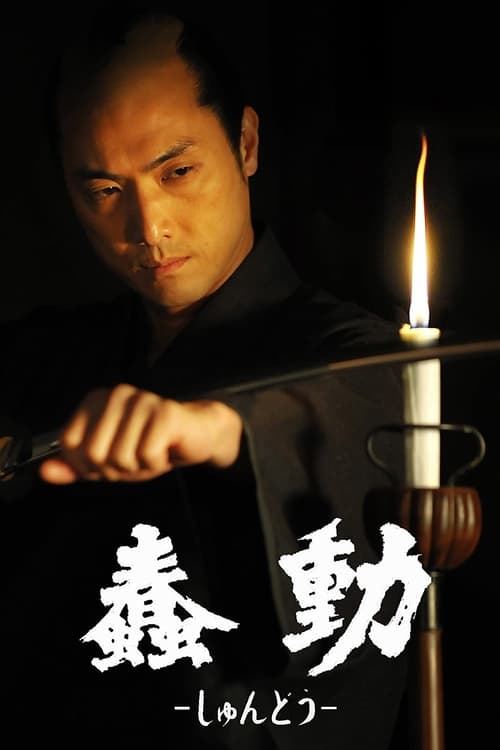
Bushido
2013
No user ratings available yet
Representation score: 1.3 out of 10
Representation Score
Minimal
2014
Director
Setsuro Wakamatsu
Runtime
120 minutes
Average Rating
No ratings yetNew Showbiz Analysis
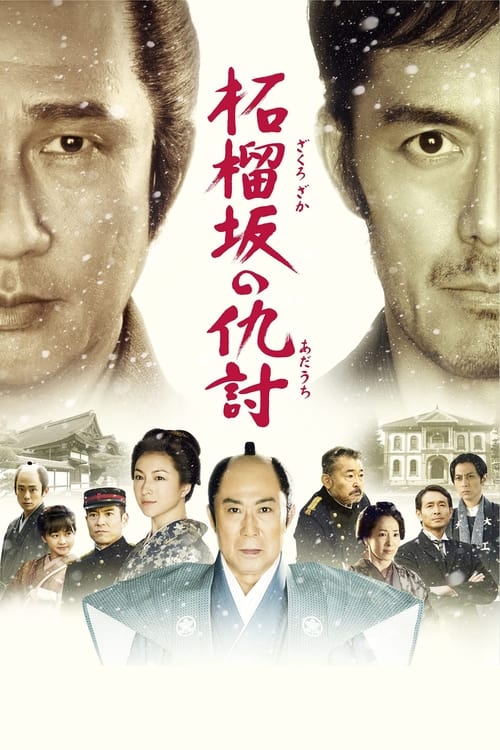
Snow on the Blades is a traditional historical drama centered on themes of vengeance, duty, and the obsolescence of the samurai class. The story follows a classic arc of a protagonist grappling with the changes in society during Japan's transition to modernity. The film emphasizes historical fatalism and the preservation of a fading way of life. It relies on conventional storytelling formulas of the period genre rather than exploring the complexities of modern identities. Given its focus on the rigid social structures of the 1860s, the film does not offer much in terms of diverse representations, concentrating instead on the individual honor of the master swordsman.
Category Breakdown
The film does not include any LGBTQ+ characters or narratives that question the assumption that everyone is straight or cisgender. Instead, it focuses on the strict social hierarchies of 19th-century Japan.
Men play the central roles, dealing with the pressures of a patriarchal society where duty and shame are key themes. The story revolves around the code of honor and the master swordsman.
Set in 1860s Japan, the cast is ethnically uniform, reflecting the historical context without altering the ethnic backgrounds of the characters.
The film delves into the decline of the samurai class and the traditional bonds of loyalty. It emphasizes personal tragedy and duty over a broader critique of religion or capitalism.
The narrative does not feature any characters facing physical, sensory, or neurodivergent disabilities.
Present on Screen
Limited or Absent
Official Synopsis
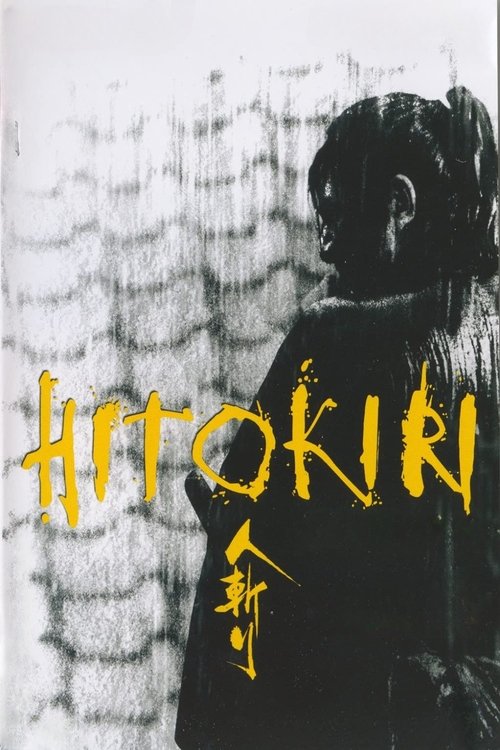
At Sakurada Gate in 1860, the shogun’s chief minister and his retinue of bodyguards are ambushed and annihilated. Bearing the responsibility and shame for this failure is Shimura Kingo, master swordsman and chief of the guard. Forbidden to take his own life in atonement, he is instead tasked with hunting down the remaining assassins; however, fate intervenes and now only one is left. Devoted to his late lord and his duty, he relentlessly pursues the sole remaining assassin for the next thirteen years. But times are changing in Japan and the way of the sword has become outlawed. What does this mean for Kingo?
2013
1999
2007
1966
1981
1980
1961
1969
No reviews yet. Be the first to share your thoughts on this movie!
Use the rating form above to leave a star rating and optional review.