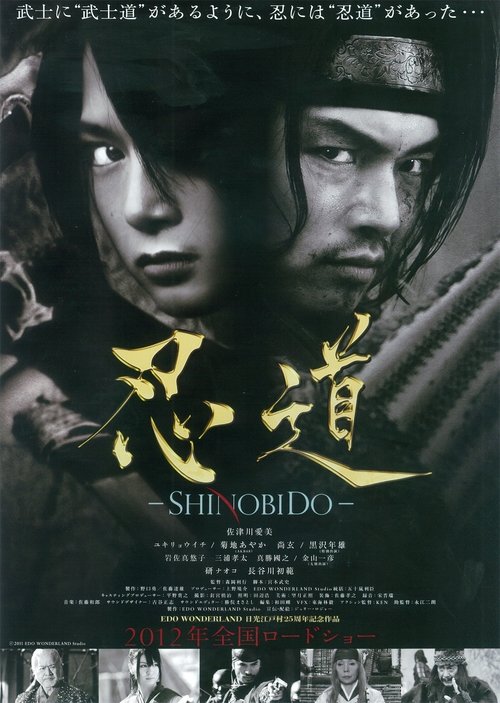
Shinobido
2012
No user ratings available yet
Representation score: 2.4 out of 10
Representation Score
Limited
2017
Director
Yoshihiro Nakamura
Runtime
125 minutes
Average Rating
No ratings yetNew Showbiz Analysis
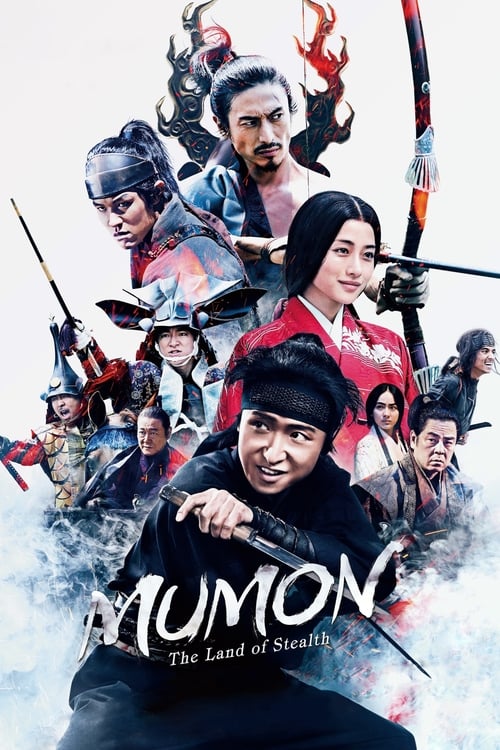
Mumon: The Land of Stealth is a postmodern deconstruction of the shinobi genre. By focusing on a protagonist who lacks traditional martial skills, the film upends the hyper-masculine archetypes common in Japanese period cinema. While the film offers a fresh perspective on identity and personal choice, it remains confined by its historical setting. The cast is ethnically uniform, and the narrative lacks diverse representations of gender and sexuality. Ultimately, the film is a character-driven story that values individual non-conformity over rigid social structures. It challenges the oppressive feudal hierarchy through its protagonist's refusal to conform to the traditional warrior ideal.
Category Breakdown
The film does not include explicit representations of LGBTQ+ identities or same-sex relationships. The romantic storyline focuses solely on the heterosexual relationship between Mumon and Okuni.
The film challenges traditional masculinity by depicting the male lead as incompetent rather than strong and stoic. This portrayal diverges from typical genre expectations of the male warrior archetype.
Set in 16th-century Japan, the cast is ethnically uniform. The film stays true to its historical context without including diverse ethnicities or actors of different backgrounds.
The narrative emphasizes individual choice over strict clan loyalty or nationalistic duty. It highlights the tension between personal desires and the oppressive structures of feudal society.
The film does not prominently depict physical or neurodivergent disabilities. Such traits do not serve as central plot devices or character drivers in the story.
Present on Screen
Limited or Absent
Official Synopsis
Raised suckling poison arrows among the sparring Iga ninja factions, Mumon is a carefree 16th-century mercenary. When the ninja council makes a power play to defeat the young Nobukatsu Oda struggling to step into his father’s warlord shoes as they expand rule across the country, Mumon jumps into the fray to satisfy his new bride Okuni’s demand that he make good on his promises of wealth. Yet Mumon soon finds what is worth fighting for beyond money or nation.
2012
1972
2012

1974
2009
1961
1969

2019
No reviews yet. Be the first to share your thoughts on this movie!
Use the rating form above to leave a star rating and optional review.