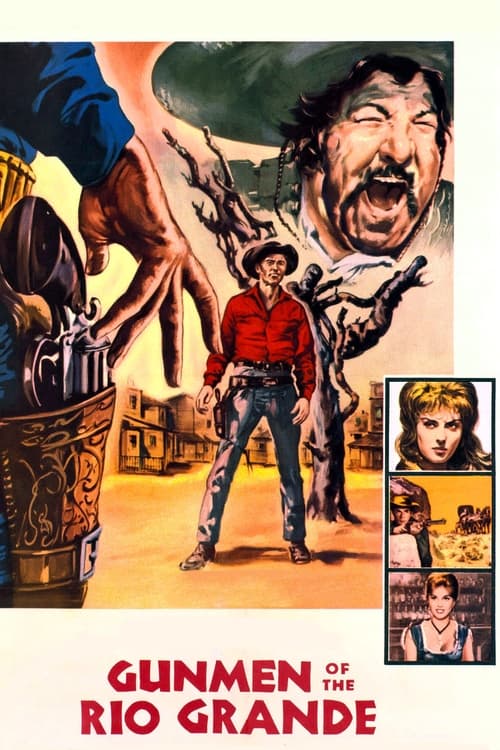
Gunmen Of The Rio Grande
1964
No user ratings available yet
Diversity score: 2.7 out of 10
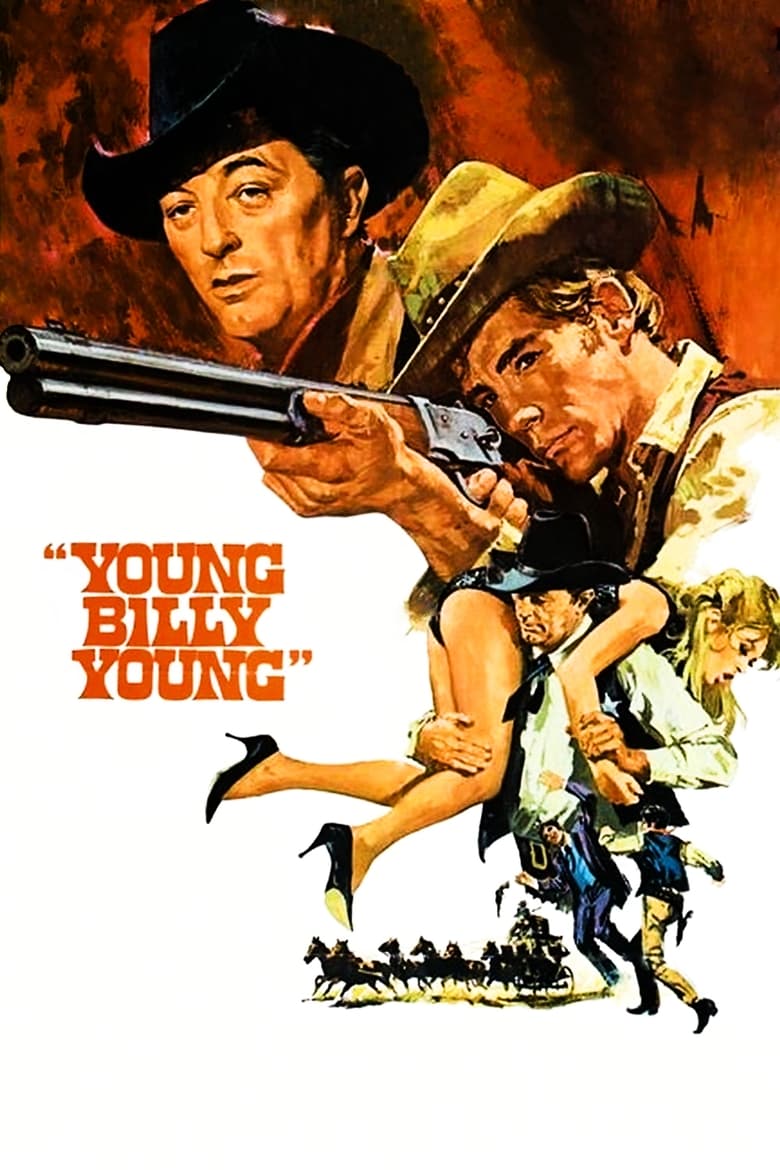
1969
GDirector
Burt Kennedy
Runtime
89 minutes
Average Rating
No ratings yetSynopsis
A peace-loving man named Ben Kane takes a job as deputy marshal of Lords, in the old West. Kane is no lawman, but he accepts the badge because he has an old score to settle with the town's chief trouble-maker. Once on the job, Kane must also deal with a young sharpshooter named Billy Young and a sharp and sassy saloon dancer, Lily.
Overall Score
Limited
Category Breakdown
LGBTQ+ Representation
The film lacks LGBTQ+ characters or narratives. It appears to follow the standard romantic and platonic dynamics typical of 1960s Westerns.
Gender Representation
Lily is introduced as a sassy saloon dancer, offering some female personality. However, the central conflict remains a male-centric power dynamic focused on settling scores.
Racial & Ethnic Diversity
The setting relies on traditional Western demographic norms. There is no mention of non-white protagonists or a diverse ensemble cast within the town of Lords.
Religious & Cultural Diversity
The story emphasizes classic themes of individual justice and law and order. It follows traditional Western storytelling without exploring secularist or anti-institutional themes.
Disability Representation
The narrative provides no information regarding characters with visible or invisible disabilities.
Strengths
Areas for Improvement
AI Analysis
Young Billy Young is a conventional genre piece that adheres to the established social and narrative hierarchies of the late 1960s. The film prioritizes classic frontier archetypes and individual heroism over systemic subversion or diverse perspectives. The storytelling focuses on a male protagonist's personal quest for accountability. This structure reinforces traditional Western tropes rather than challenging the era's cinematic norms. Overall, the film offers limited disruption to established cultural or gender norms, functioning as a standard example of mid-century Western cinema.
1964
1963
1959
1966
1974
1971
1967
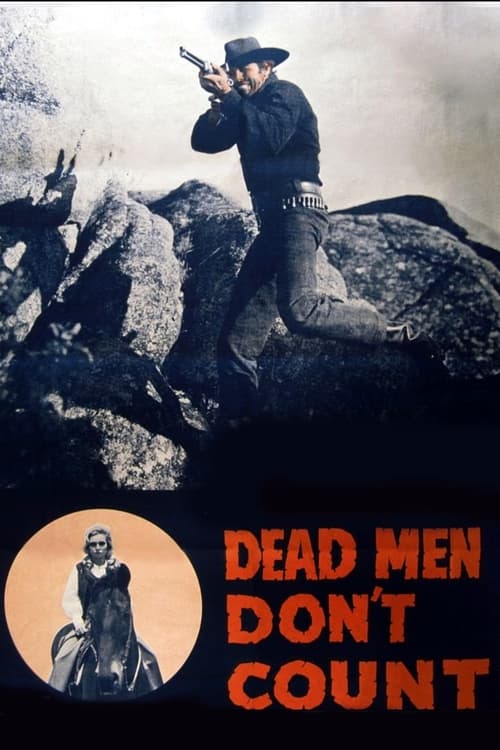
1968
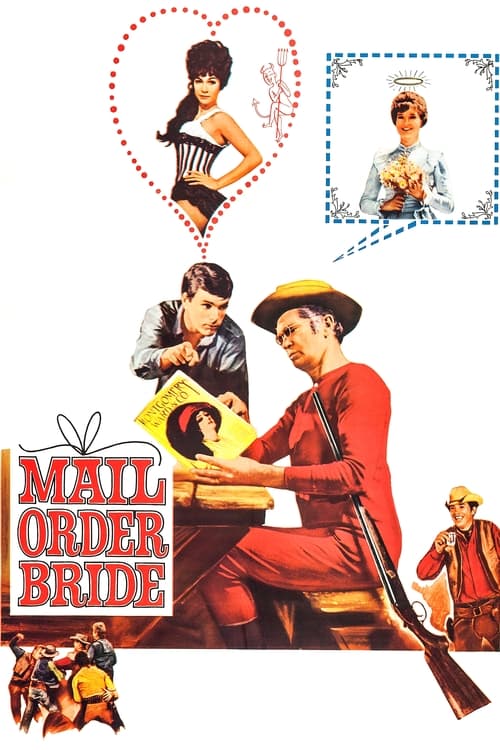
1964
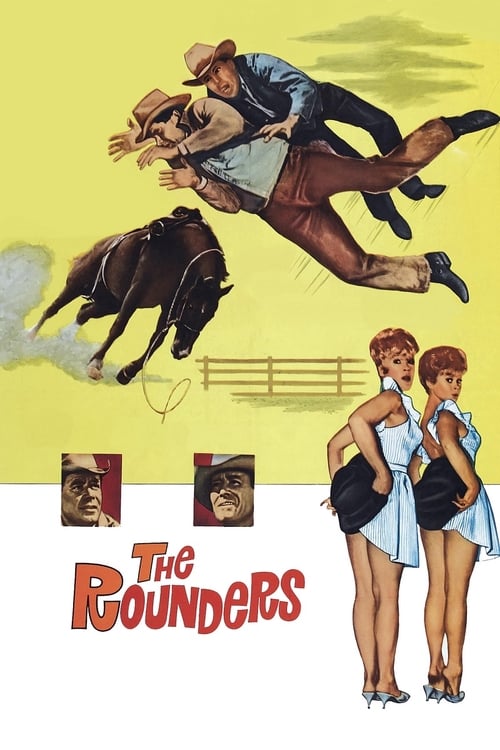
1965
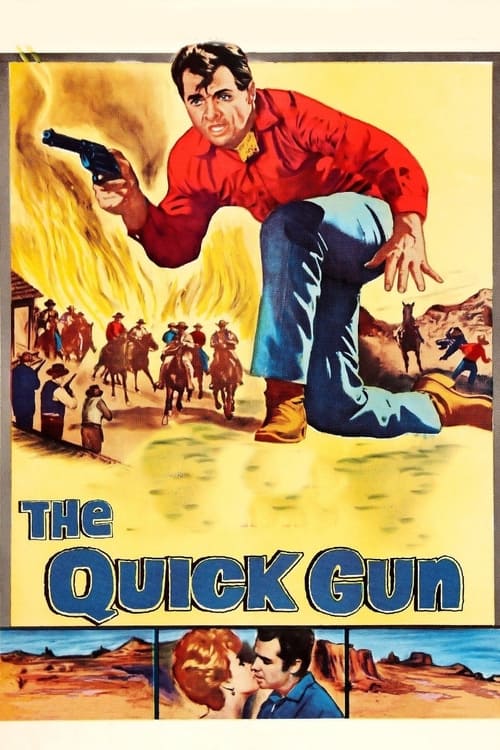
1964
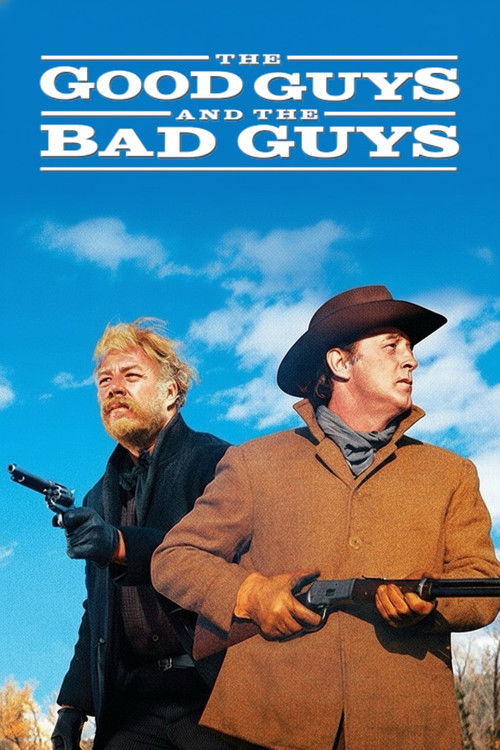
1969
No reviews yet. Be the first to share your thoughts on this movie!
Use the rating form above to leave a star rating and optional review.