Buchanan Rides Alone
1958
No user ratings available yet
Diversity score: 1.9 out of 10
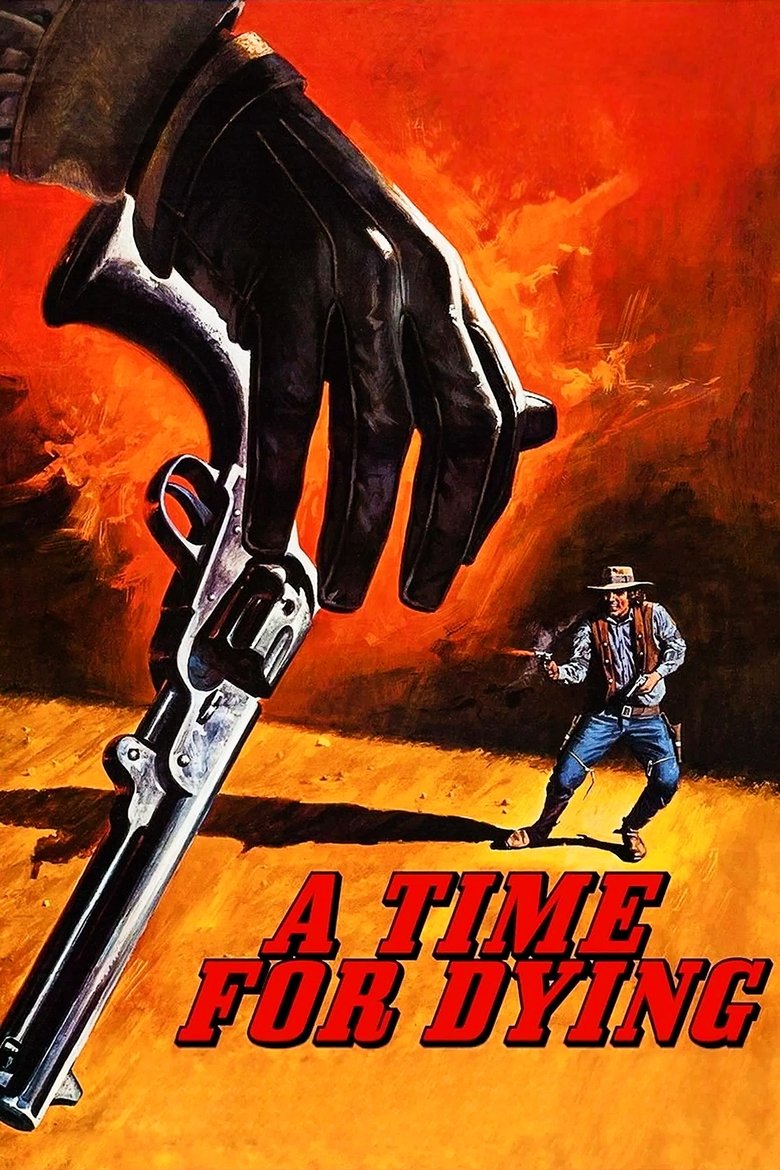
1969
MDirector
Budd Boetticher
Runtime
73 minutes
Average Rating
No ratings yetSynopsis
Passing through a town, a farm boy aspiring to be a bounty hunter rescues a woman who has been tricked into working in its brothel and the two travel towards his father's ranch.
Overall Score
Fair
Category Breakdown
LGBTQ+ Representation
The film contains no LGBTQ+ characters. It adheres to the conventional social structures of the late 1960s Western genre without subverting heteronormativity.
Gender Representation
Gender roles follow traditional hierarchies. While the female protagonist is central to the plot, her agency remains largely reactive to the male characters' actions.
Racial & Ethnic Diversity
The film disrupts Anglo-centric homogeneity by casting Michael Ansara, an actor of Indian descent, in a lead role. It uses the outsider trope to examine social prejudice.
Religious & Cultural Diversity
The narrative explores moral relativism by pitting the protagonist against the community's established order. It critiques traditional community structures as potentially oppressive to the individual.
Disability Representation
There is no significant depiction of visible or invisible disabilities within the narrative.
Strengths
Areas for Improvement
AI Analysis
A Time for Dying serves as a transitional Western that moves away from binary morality. It uses the protagonist to challenge the moral certainty of the community, exploring the friction between individual justice and collective authority. The film's primary strength is its disruption of genre homogeneity through casting and its nuanced look at social prejudice. By positioning the lead as an outsider, it provides a more complex study of social friction than many of its contemporaries. However, the film remains limited by its reliance on traditional gender dynamics. The absence of broader intersectional representation and the lack of LGBTQ+ or disability-focused narratives keep the overall score modest.
1958
1960
1957
1956
1955
1974
1966
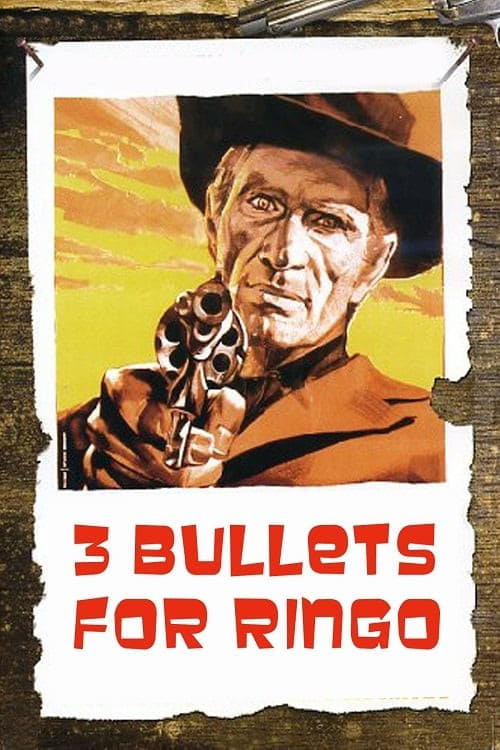
1966
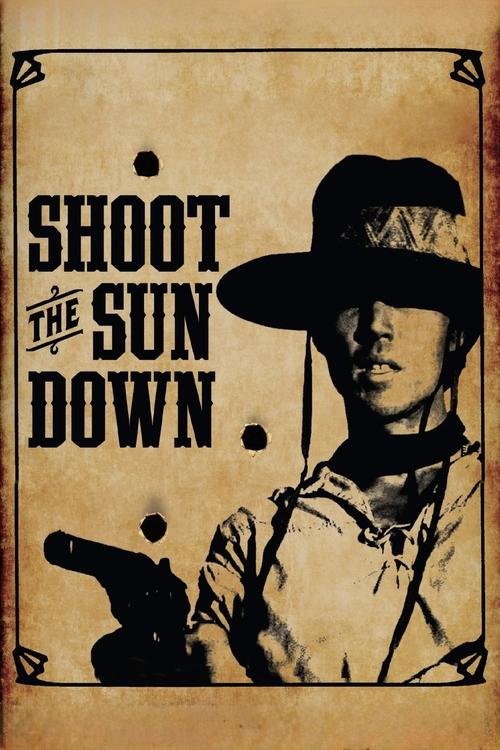
1978
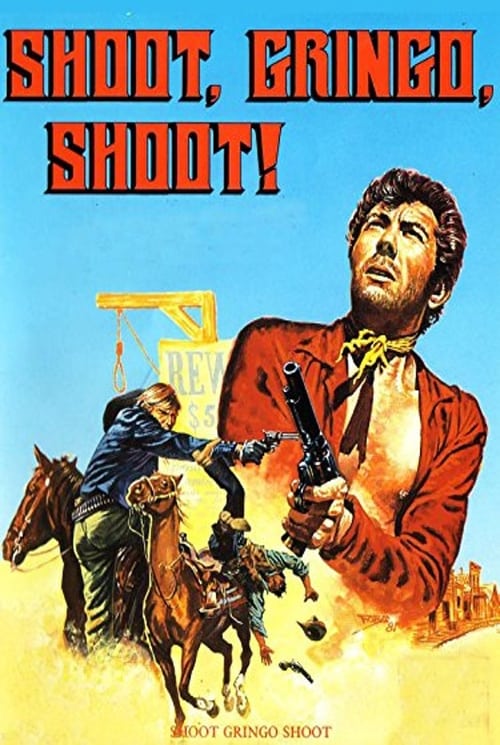
1968
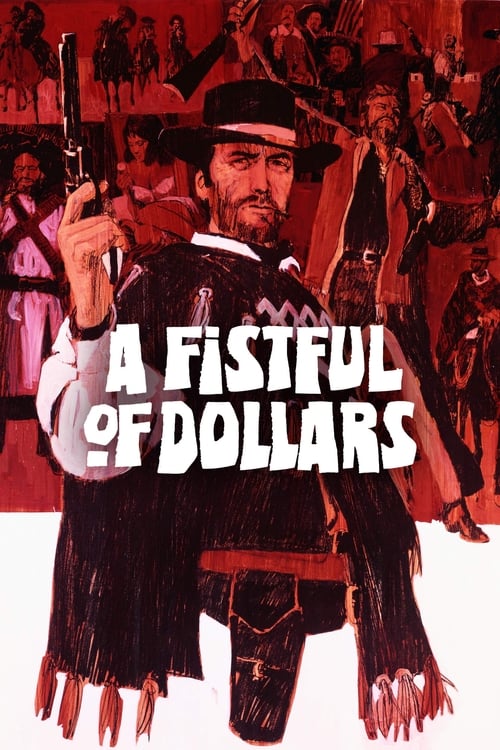
1964

1967
No reviews yet. Be the first to share your thoughts on this movie!
Use the rating form above to leave a star rating and optional review.