
Young Fury
1964
No user ratings available yet
Representation score: 1.8 out of 10
Representation Score
Minimal
1967
MDirector
Tonino Valerii
Runtime
113 minutes
Average Rating
No ratings yetNew Showbiz Analysis
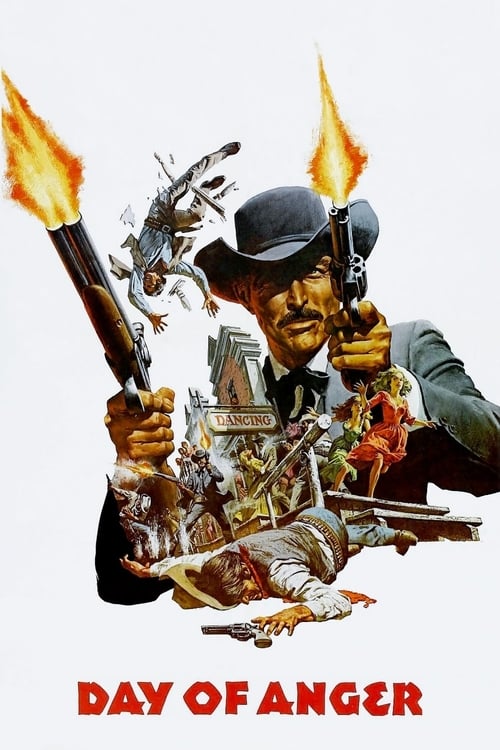
Day of Anger is a classic Spaghetti Western that adheres to the rigid social and narrative structures of the 1960s. The film's structure is centered on individualistic vigilantism and traditional gender roles, offering no disruption of established social hierarchies. The story centers on masculine archetypes of violence and retribution. This focus on male-driven conflict results in a narrative that prioritizes men's control over the story over a diverse range of perspectives. Ultimately, the film operates within a framework of conventional social dynamics. It lacks the multi-layered representation needed to move beyond the standard genre clichés of its era.
Category Breakdown
The film follows traditional assumptions about straight relationships and gender. There are no visible or implied LGBTQ+ characters or non-traditional gender identities.
Female characters play minor roles and are often confined to domestic duties. They frequently serve as catalysts for the male protagonist's journey through adversity.
The casting reflects a typical Western ensemble of the time. While avoiding harmful stereotypes, the film lacks meaningful racial diversity or characters of color with significant roles.
The narrative emphasizes personal revenge and moral ambiguity rather than systemic issues. It prioritizes individual justice over community stability.
There are no prominent depictions of physical or cognitive disabilities. No character arc revolves around interactions with disability.
Present on Screen
Limited or Absent
Official Synopsis
A scruffy garbage boy becomes the pupil of famed gunfighter Talby, and the stage for confrontation is set when the gunman overruns the boy's town through violence and corruption.
1964
1967

1969
1967
1966
1957
1966
1958
No reviews yet. Be the first to share your thoughts on this movie!
Use the rating form above to leave a star rating and optional review.