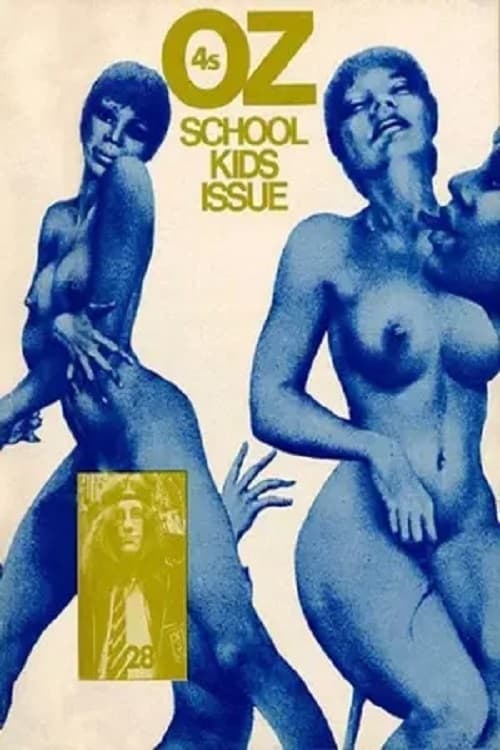
The Trials of Oz
1991
No user ratings available yet
Representation score: 6.1 out of 10
Representation Score
Limited
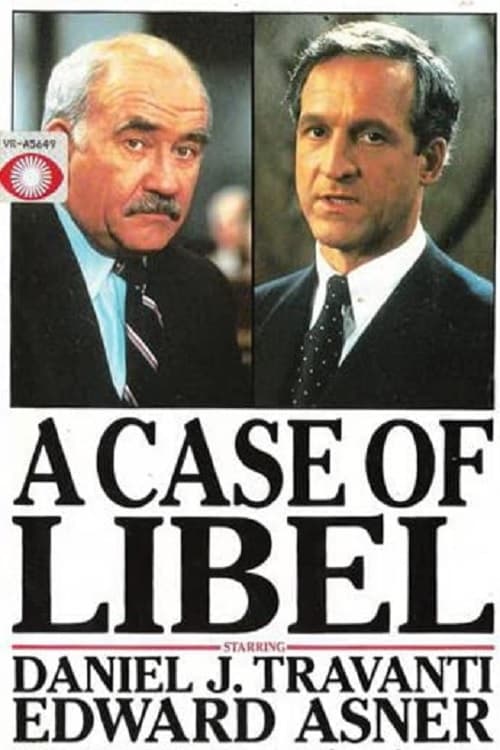
1983
LDirector
Eric Till
Runtime
115 minutes
Average Rating
No ratings yetNew Showbiz Analysis
A Case of Libel is a period courtroom drama centered on the political tensions of 1954. The narrative prioritizes a legal battle over accusations of communism, focusing on institutional power and reputation rather than identity politics. The film functions as a study of the systemic pressures of the McCarthy era. However, it lacks a documented pattern of disrupting social hierarchies or highlighting diverse perspectives. Ultimately, the work adheres to traditional dramatic structures, emphasizing historical and biographical conflict over diverse representation.
Category Breakdown
The film does not include any characters with non-straight identities. The story centers on political and legal conflicts rather than sexual orientation.
Set in 1954, the film likely reflects traditional mid-century gender roles. Specific roles for women in the newsroom or courtroom remain unspecified.
The 1954 American setting suggests a focus on dominant Anglo-Saxon social structures. There is no indication of diverse racial casting.
The story explores the tension between individual truth and institutional authority. It examines themes of systemic scrutiny during the McCarthy era.
There is no information regarding the inclusion of characters with physical or neurodivergent disabilities.
Present on Screen
Limited or Absent
Official Synopsis
Fact-based courtroom drama about a news reporter in 1954 who sued a columnist for libel after he proclaimed him a communist in print.
1991
1948

2000
2023
1988
1991
1954

1975
No reviews yet. Be the first to share your thoughts on this movie!
Use the rating form above to leave a star rating and optional review.