Twelve Angry Men
1954
No user ratings available yet
Diversity score: 1.4 out of 10
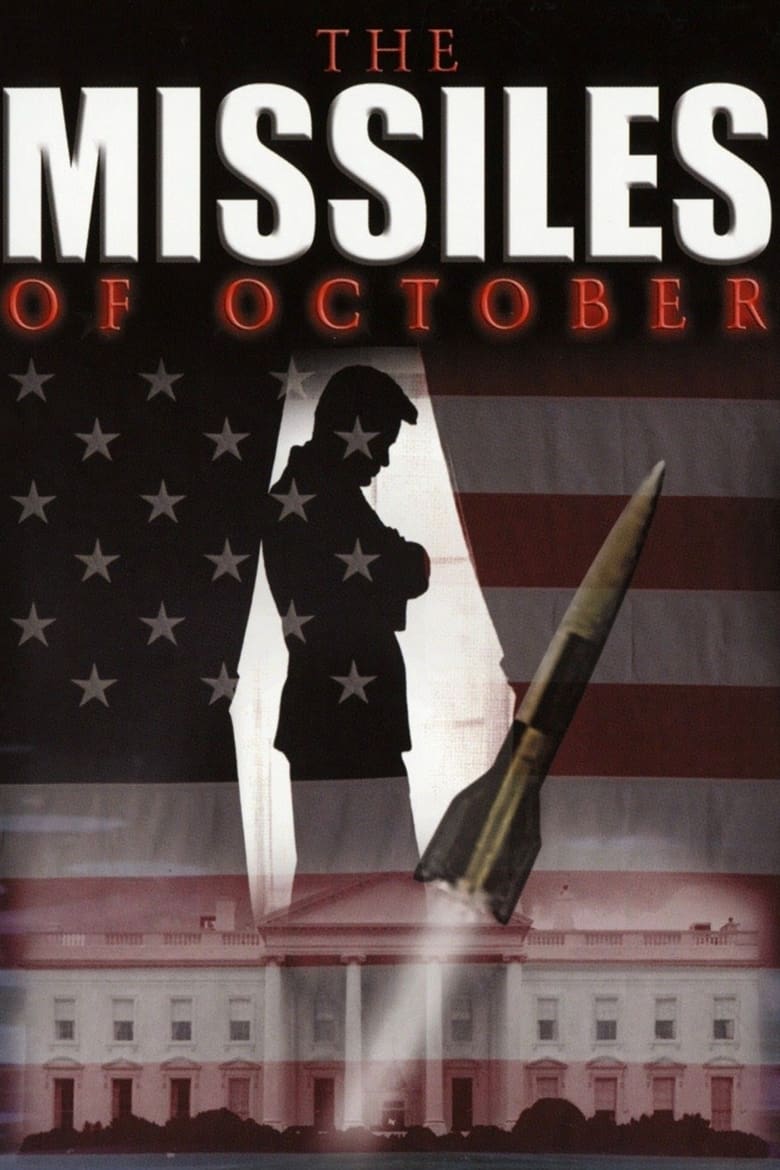
1974
Director
Anthony Page
Runtime
150 minutes
Average Rating
No ratings yetSynopsis
Based in part on Robert F. Kennedy's book, "Thirteen Days," this film profiles the Kennedy Administration's actions during the Cuban Missile Crisis.
Overall Score
Minimal
Category Breakdown
LGBTQ+ Representation
The film lacks any LGBTQ+ characters or non-cisnormative identities. It adheres strictly to the social constraints of the early 1960s, resulting in zero queer visibility.
Gender Representation
Decision-making is portrayed as an exclusively masculine endeavor within the White House and Kremlin. Women are relegated to the periphery and lack narrative agency.
Racial & Ethnic Diversity
The cast reflects the historical homogeneity of 1962 political leadership. It features a primarily white cast portraying Anglo-American and Soviet figures without diverse demographic representation.
Religious & Cultural Diversity
The story centers on Western geopolitical structures and state authority. It focuses on institutional leadership rather than critiquing capitalism, religion, or the Western family unit.
Disability Representation
There are no depictions of physical or neurodivergent disabilities. Characters are defined solely by their high-functioning political agency.
Strengths
Areas for Improvement
AI Analysis
The Missiles of October functions as a traditional historical reconstruction of the Cuban Missile Crisis. It prioritizes period accuracy and the replication of the 1962 status quo over modern social inclusivity. By focusing on the male-dominated spheres of international diplomacy, the film reinforces existing hierarchies. The narrative architecture is built around the competence of traditional institutional leaders, leaving little room for diverse perspectives. Ultimately, the film's lack of representation stems from its commitment to portraying the historical homogeneity of the Cold War era.
1954
1975
1995
1984
2001
1981
1975
1997
1993
2000
1983
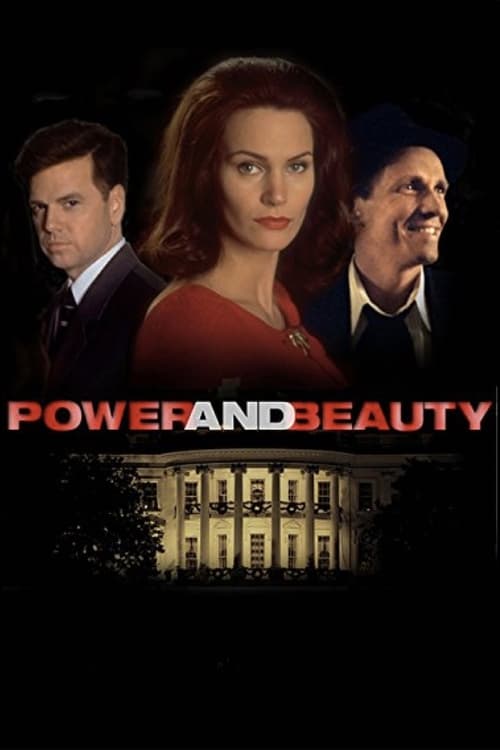
2002
No reviews yet. Be the first to share your thoughts on this movie!
Use the rating form above to leave a star rating and optional review.