
Menendez: A Killing in Beverly Hills
1994
No user ratings available yet
Representation score: 5.9 out of 10
Representation Score
Limited
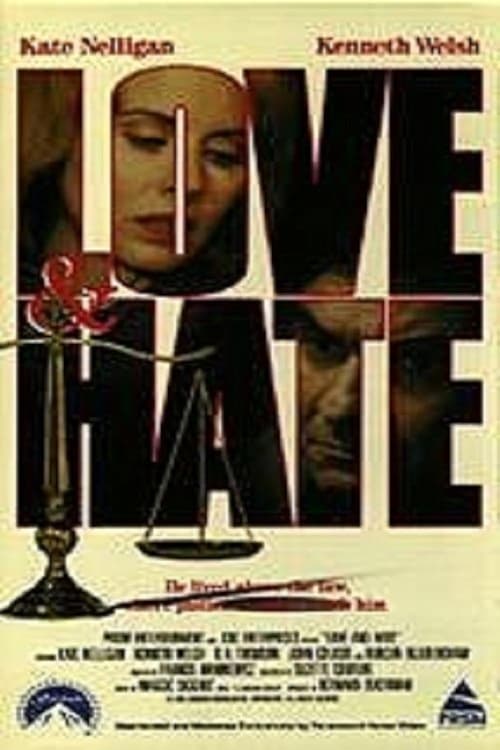
1989
PG-13Director
Francis Mankiewicz
Runtime
156 minutes
Average Rating
No ratings yetNew Showbiz Analysis
The film focuses on gendered power dynamics, particularly the impact of domestic oppression and the subversion of toxic masculinity. By highlighting Joanne Thatcher's struggle for autonomy, the narrative offers a critique of patriarchal dominance. However, the film lacks diversity, presenting a homogeneous cast reflective of a specific socioeconomic niche in 1980s Canada. The absence of LGBTQ+ characters and disability representation further narrows the film's social scope.
Category Breakdown
The film does not include any LGBTQ+ characters or narratives. The social landscape focuses solely on the heterosexual relationships of the main characters.
The film challenges traditional gender roles by depicting the male antagonist as a volatile criminal. Joanne Thatcher plays a central role in fighting for her autonomy and survival.
The cast is homogeneous, reflecting the demographics of 1980s Saskatchewan. There is no indication of intentional racial diversity or inclusion of various ethnic backgrounds.
The film examines the corruption of power structures and institutional skepticism. It highlights individual moral failures within a legal framework without making broader political statements.
There is no representation of physical, sensory, or neurodivergent disabilities among the main cast or in the character arcs.
Present on Screen
Limited or Absent
Official Synopsis
Narcissistic Saskatchewan Tory politician Colin Thatcher is engaged in a bitter divorce from his wife Jo-Ann. When a series of court rulings over the divorce go against him, Thatcher decides a more drastic solution is needed - murder! A series of attempts on Jo-Ann's life follow, most of which don't succeed. Finally one does, and the arrogant Thatcher believes he is above the law and immune to prosecution. But his arrogance proves to be his undoing, as Crown Counsel Serge Kujawa builds a case against this psychopathic monster for 1st-degree murder - charging that Thatcher hired someone to kill his wife. The true story of one of the most disturbing stories of murder-for-hire in Canada.
1994

1989
2004
1971
1997
2004
1991
2007
No reviews yet. Be the first to share your thoughts on this movie!
Use the rating form above to leave a star rating and optional review.