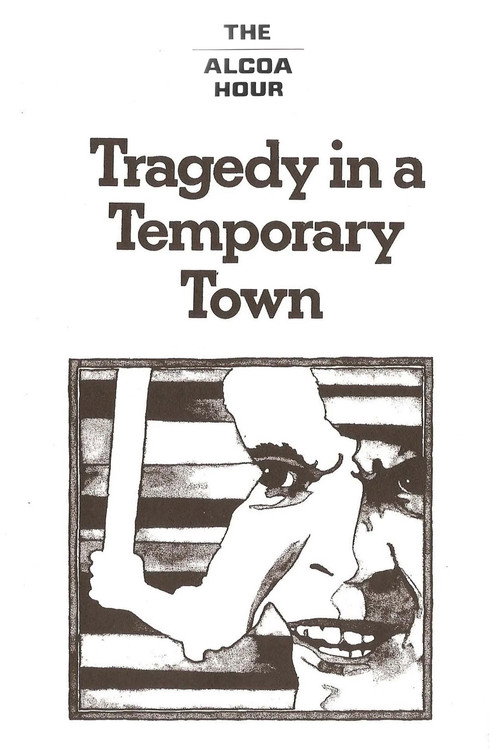
Tragedy in a Temporary Town
1956
No user ratings available yet
Diversity score: 3.1 out of 10

1954
Director
Franklin J. Schaffner
Runtime
51 minutes
Average Rating
No ratings yetSynopsis
Twelve Angry Men is a 1954 teleplay by Reginald Rose for the Studio One anthology television series. Initially staged as a CBS live production on 20 September 1954, the drama was later rewritten for the stage in 1955 under the same title and again for a feature film, 12 Angry Men (1957). The episode garnered three Emmy Awards for writer Rose, director Franklin Schaffner and Robert Cummings as Best Actor.
Overall Score
Minimal
Category Breakdown
LGBTQ+ Representation
The narrative contains no depictions of non-cisnormative identities or queer-coded subtext. The setting is an exclusively heteronormative, all-male environment.
Gender Representation
The cast is composed entirely of men, leaving the film without female agency. It relies on traditional masculine modes of communication like verbal combat and hierarchical debate.
Racial & Ethnic Diversity
The cast is a homogeneous group of white males. While the story critiques racial prejudice, it does not use diverse casting to visually illustrate these themes.
Religious & Cultural Diversity
The film critiques failures within Western legal institutions rather than promoting anti-Western sentiments. It remains rooted in a traditional civic framework regarding citizen responsibility.
Disability Representation
There are no characters with visible or invisible disabilities portrayed as central to the narrative. No characters are endowed with specific agency regarding disability.
Strengths
Areas for Improvement
AI Analysis
Twelve Angry Men serves as a concentrated study of social psychology and systemic prejudice. The narrative architecture is designed to critique the fallibility of human judgment and the momentum of groupthink. It challenges the internal biases that threaten judicial integrity. However, the production is strictly bound by the demographic constraints of 1954. The film's progressive value lies in its thematic intent rather than its casting. It deconstructs how personal bias corrupts systemic processes through an intellectual lens. Ultimately, the work operates through a narrow demographic lens. While it highlights the tension between the individual and the collective, the visual representation remains tethered to the era's traditional hierarchies.
1956
2001
1983

1986
1973
1955
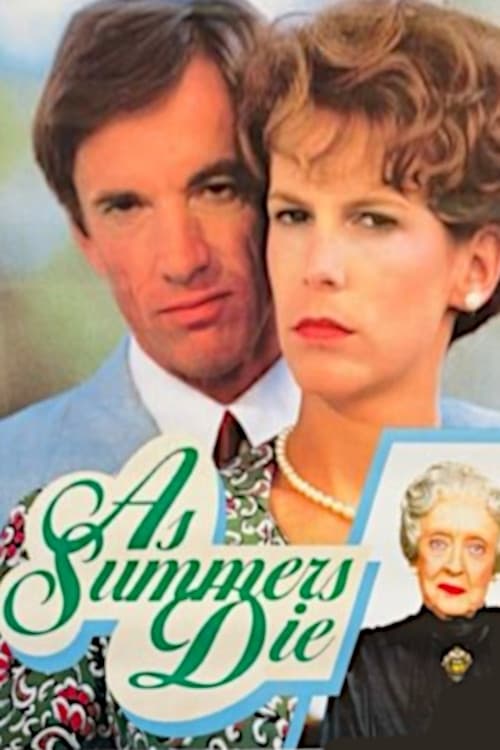
1986

1987
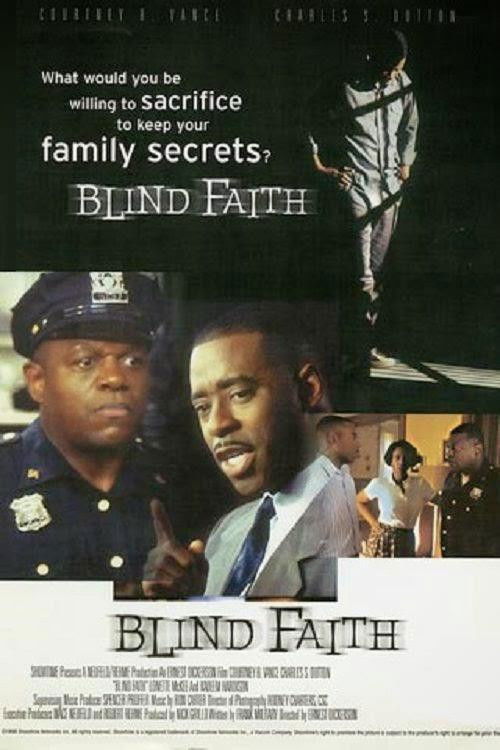
1998

1989

1996
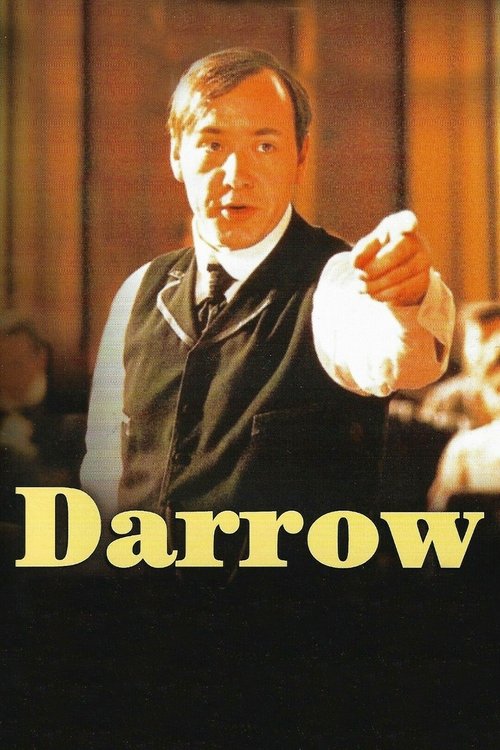
1991
No reviews yet. Be the first to share your thoughts on this movie!
Use the rating form above to leave a star rating and optional review.