An American Daughter
2000
No user ratings available yet
Representation score: 2.5 out of 10
Representation Score
Fair
2000
RDirector
John Badham
Runtime
90 minutes
Average Rating
No ratings yetNew Showbiz Analysis
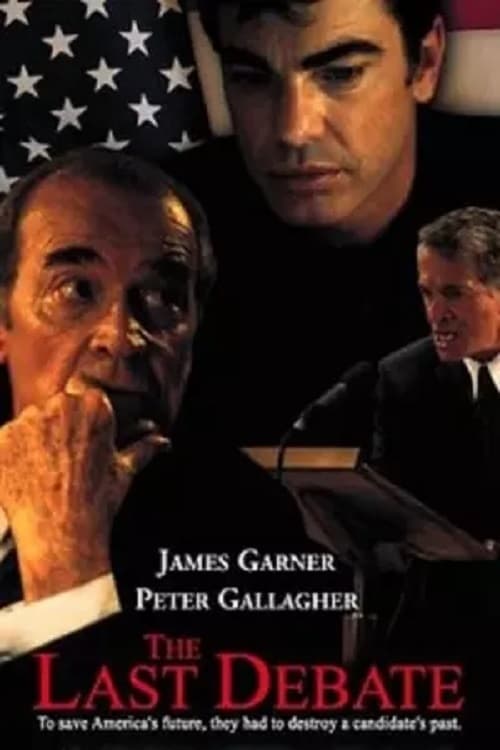
The Last Debate functions as a procedural drama centered on the volatility of political journalism. It examines how media figures can weaponize unconfirmed rumors to dismantle a political career, highlighting the fragility of institutional integrity. While the film effectively critiques the corruption and performative cruelty of power structures, it does so through a narrow lens of professional misconduct. The narrative structure prioritizes the mechanics of a political scandal over a broader exploration of identity. Ultimately, the film lacks significant multi-layered depth. It explores systemic skepticism regarding media and politics but fails to incorporate diverse lived experiences or varied social identities into its central conflict.
Category Breakdown
The film does not include any explicit mentions of LGBTQ+ characters or non-cisgender identities. The story focuses solely on political journalism and electoral scandals.
The story centers on a moderator and panelists, but their specific genders are not specified. The conflict highlights professional ability to act and investigative pressure rather than gender-specific issues.
The setting implies a typical Western political environment without indicating a non-white majority cast. The narrative prioritizes institutional mechanics over multi-ethnic perspectives.
The film critiques Western institutions by framing a televised debate as a career-ending witch hunt. This suggests a skepticism toward established systemic authority.
There is no indication that neurodivergence or physical disabilities affect the character arcs. Characters are defined by their professional roles rather than lived experiences of disability.
Present on Screen
Limited or Absent
Official Synopsis
A presidential debate, unconfirmed rumors and four reporters who take the political process into their own hands. With the election only a week away, the two candidates square off in a final debate. The televised event takes a dramatic turn when the moderator and three panelists confront one of the candidates with unconfirmed rumors and allegations. The debate quickly turns into a witch hunt and destroys one politician's career. They also give Tom Chapman, the up-and-coming reporter investigating the panel's ambush, the story of a lifetime: What went on behind the last debate.
2000
2015
2016
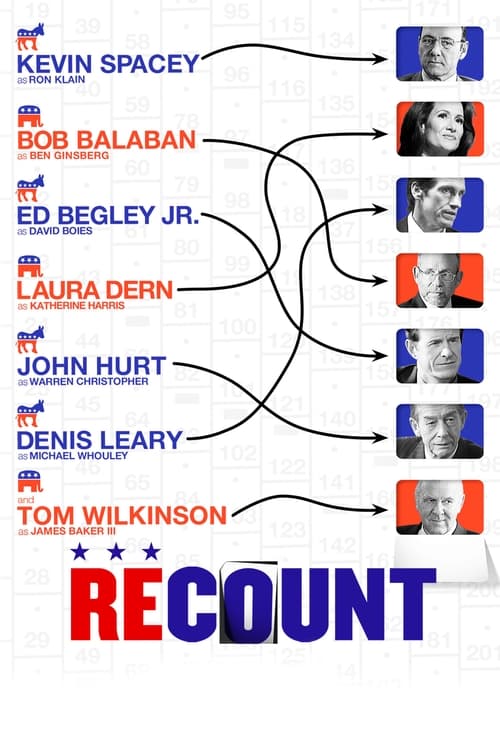
2008
2007
2015
1989
2000
No reviews yet. Be the first to share your thoughts on this movie!
Use the rating form above to leave a star rating and optional review.