
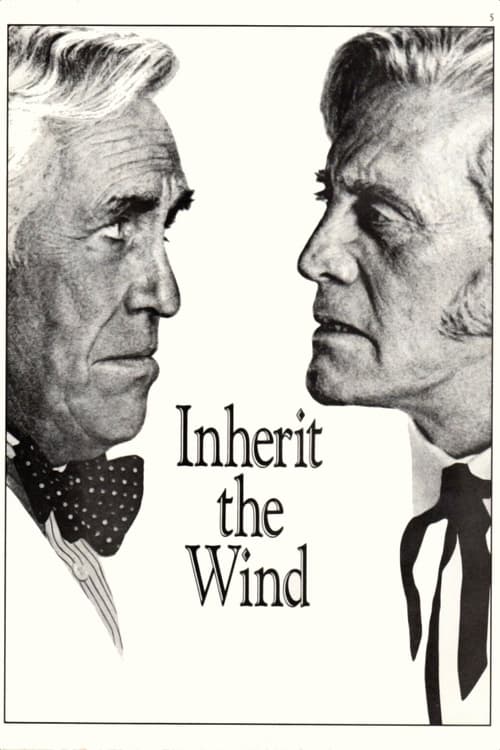
Inherit the Wind
1999
No user ratings available yet
Representation score: 3.2 out of 10
Representation Score
Minimal
1988
Not RatedDirector
David Greene
Runtime
96 minutes
Average Rating
No ratings yetNew Showbiz Analysis
Inherit the Wind is a period drama that focuses on intellectual and theological conflicts rather than demographic diversity. While it excels at critiquing the power of religious institutions, it does so through a narrow lens of identity. The film's strength lies in its cultural critique, particularly how it challenges traditionalist social structures and mob mentality. It effectively deconstructs the perceived infallibility of local religious authority and community tradition. However, the production is limited by a lack of diverse representation. The story relies on a male-dominated framework, keeping female characters peripheral to the main discourse.
Category Breakdown
The film does not include any queer subtext or non-cisgender identities in its character arcs, sticking to a strictly heterosexual perspective.
The film adheres to traditional gender roles where male figures dominate the central conflicts, while female characters play minor roles in the story.
The cast is predominantly white and reflects the homogeneity of the 1920s American South, without using diverse casting to challenge period social realities.
The film offers a sophisticated critique of organized religious dogma, showing fundamentalist institutions as oppressive forces stifling individual conscience and scientific progress.
There are no portrayals of physical or neurodivergent disabilities, and no such characters drive the plot or provide depth.
Present on Screen
Limited or Absent
Official Synopsis
Based on a real-life case in 1925, two great lawyers argue the case for and against a science teacher accused of the crime of teaching evolution.
1999

1989
1976

1960
1983

1993

1990

1983
No reviews yet. Be the first to share your thoughts on this movie!
Use the rating form above to leave a star rating and optional review.