
A Gathering of Old Men
1987
No user ratings available yet
Representation score: 4.3 out of 10
Representation Score
Limited
1986
NRDirector
Jean-Claude Tramont
Runtime
87 minutes
Average Rating
No ratings yetNew Showbiz Analysis
As Summers Die explores the social frictions of 1959 Louisiana, particularly focusing on racial property rights and the challenge to established local hierarchies. The film engages meaningfully with racial conflict through its central protagonist. However, the narrative structure seems to rely on traditional gendered storytelling clichés. The primary control is given to a male lawyer, leaving the female character's role potentially limited to a catalyst for his actions. Overall, while the film addresses systemic inequality and racial tension, it lacks broader representation of diverse communities and provides no visibility for LGBTQ+ or disabled individuals.
Category Breakdown
The film does not include any characters with LGBTQ+ identities. There are no stories about queer experiences within the movie.
The story focuses on a male lawyer fighting a legal battle. A woman drives the conflict by refusing to sell her land, but it is unclear how much control she has over the story.
The plot centers around a Black woman resisting the encroachment of a dominant white family. This highlights racial tensions and the disruption of local power structures in 1959 Louisiana.
The story critiques Southern social hierarchies by presenting a powerful local family as an antagonistic force. It explores the friction between individual rights and established institutions.
There is no information about characters with physical or neurodivergent traits.
Present on Screen
Limited or Absent
Official Synopsis
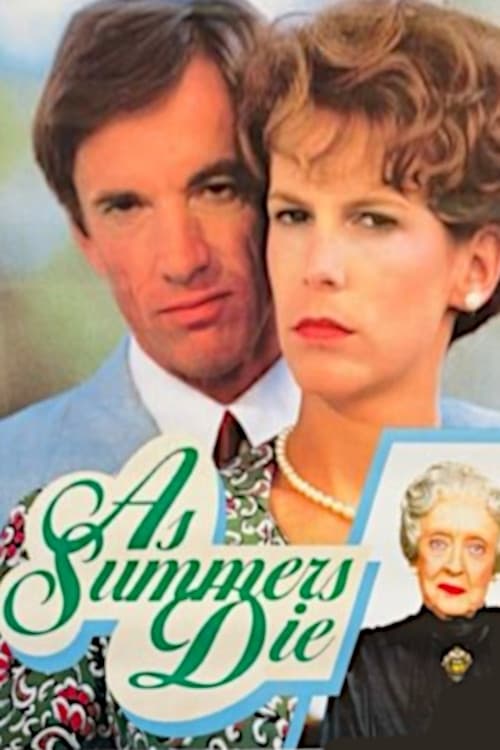
Set in a sleepy Southern Louisiana town in 1959, a lawyer, searches for justice as he volunteers to help a black woman whose property is being threatened by the Holts, the first family of the town, after she refuses to sell her valuable land.
1987
1996
1998
1984
1991
1997
1991
1997
No reviews yet. Be the first to share your thoughts on this movie!
Use the rating form above to leave a star rating and optional review.