Inherit the Wind
1988
No user ratings available yet
Representation score: 1.8 out of 10
Representation Score
Limited
1999
PGDirector
Daniel Petrie
Runtime
113 minutes
Average Rating
No ratings yetNew Showbiz Analysis
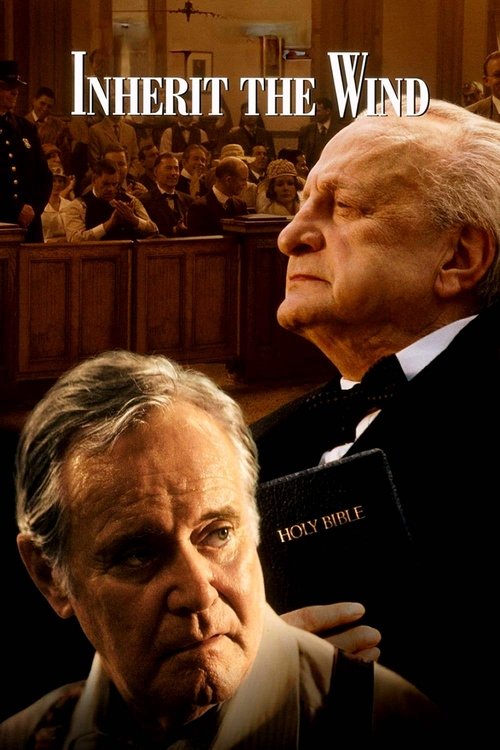
Inherit the Wind is a film centered around the clash between Enlightenment rationalism and religious fundamentalism. It prioritizes secular values over social diversity. While the film lacks racial and LGBTQ+ diversity due to its period-specific focus, it offers significant progressive value through its cultural critique. The narrative effectively deconstructs religious dogmatism and the suppression of progressive thought. Ultimately, the work succeeds as a defense of individual conscience, even as it remains anchored in a homogeneous, traditional social landscape.
Category Breakdown
The film does not include any identifiable LGBTQ+ characters or stories. It presents the 1920s setting through a traditional lens without exploring queer identities.
Madeleine Stowe’s character challenges the male-dominated hierarchy by taking a leading role in high-stakes intellectual combat. This elevates the film's depiction of women.
The cast is primarily white, reflecting the historical setting of the 1920s American South. The film portrays a homogeneous community with minimal diversity.
The narrative criticizes traditional religious institutions by emphasizing scientific inquiry over dogma. It defends individual conscience against systemic religious authority.
The film does not prominently depict physical or neurodivergent disabilities. There are no central character arcs focused on these traits.
Present on Screen
Limited or Absent
Official Synopsis
Two great lawyers argue the case for and against a science teacher accused of the crime of teaching evolution.
1988

1989
1983
1960
1976

2000

1990
2001
No reviews yet. Be the first to share your thoughts on this movie!
Use the rating form above to leave a star rating and optional review.