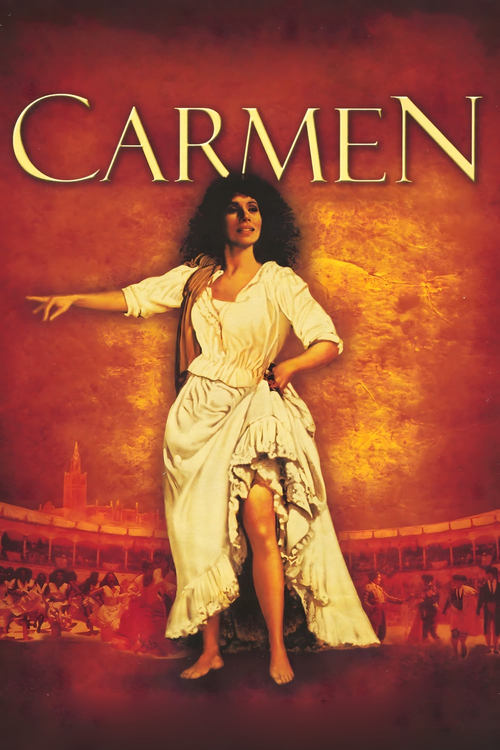
Carmen
1984
No user ratings available yet
Representation score: 5.5 out of 10
Representation Score
Limited
1986
PGDirector
Carlos Saura
Runtime
100 minutes
Average Rating
No ratings yetNew Showbiz Analysis
Carlos Saura’s film is a deliberate exploration of cultural identity through dance. It successfully highlights Romani heritage and a complex female psychological arc. However, it adheres to traditional dramatic structures and does not engage with contemporary LGBTQ+ identities or modern social hierarchies. Ultimately, the film prioritizes cultural traditions and women's ability to drive the story over broader demographic issues.
Category Breakdown
The film focuses on a traditional heterosexual love triangle and supernatural haunting, without exploring non-cisgender identities or queer relationships.
Candela, a strong female lead, drives the story through her dance and internal struggles. Male characters serve as tragic catalysts, while the film emphasizes the female perspective on grief and independence.
This film celebrates Romani culture and Flamenco heritage by centering a Gypsy village and using specific ethnic rhythms and aesthetics to tell its story.
The narrative revolves around ritualistic myths and supernatural haunting, prioritizing subjective spirituality over organized religion or politics.
The film does not depict physical or neurodivergent disabilities. Conflicts revolve around psychological and supernatural themes.
Present on Screen
Limited or Absent
Official Synopsis
In a Gypsy village, the fathers of Candela and José promise their children to each other. Years later, the unfaithful José marries Candela but while defending his lover Lucía in a brawl, he is stabbed to death. Carmelo, who secretly loves Candela since he was a boy, is arrested while helping José and unfairly sent to prison. Four years later he is released and declares his love for Candela. However, the woman is cursed by a bewitched love and every night she goes to the place where José died to dance with his ghost.
1984

1959
1949
1965
2008
1981
1958
1971
No reviews yet. Be the first to share your thoughts on this movie!
Use the rating form above to leave a star rating and optional review.