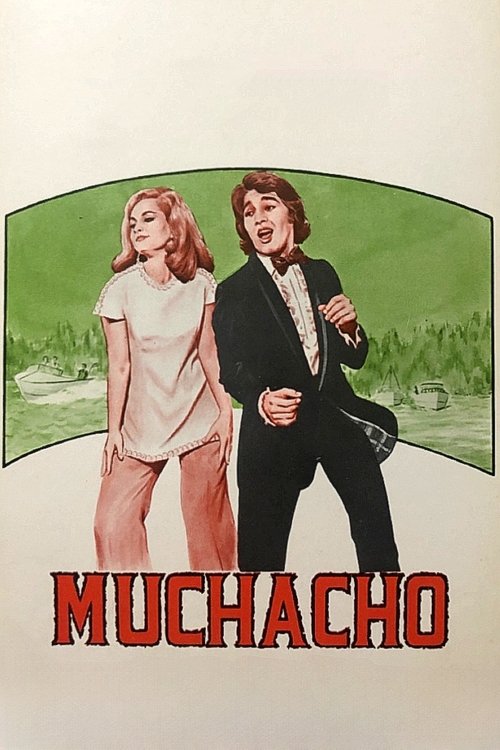
Muchacho
1970
No user ratings available yet
Diversity score: 3.2 out of 10
1971
TV-14Director
Leo Fleider
Runtime
82 minutes
Average Rating
No ratings yetSynopsis
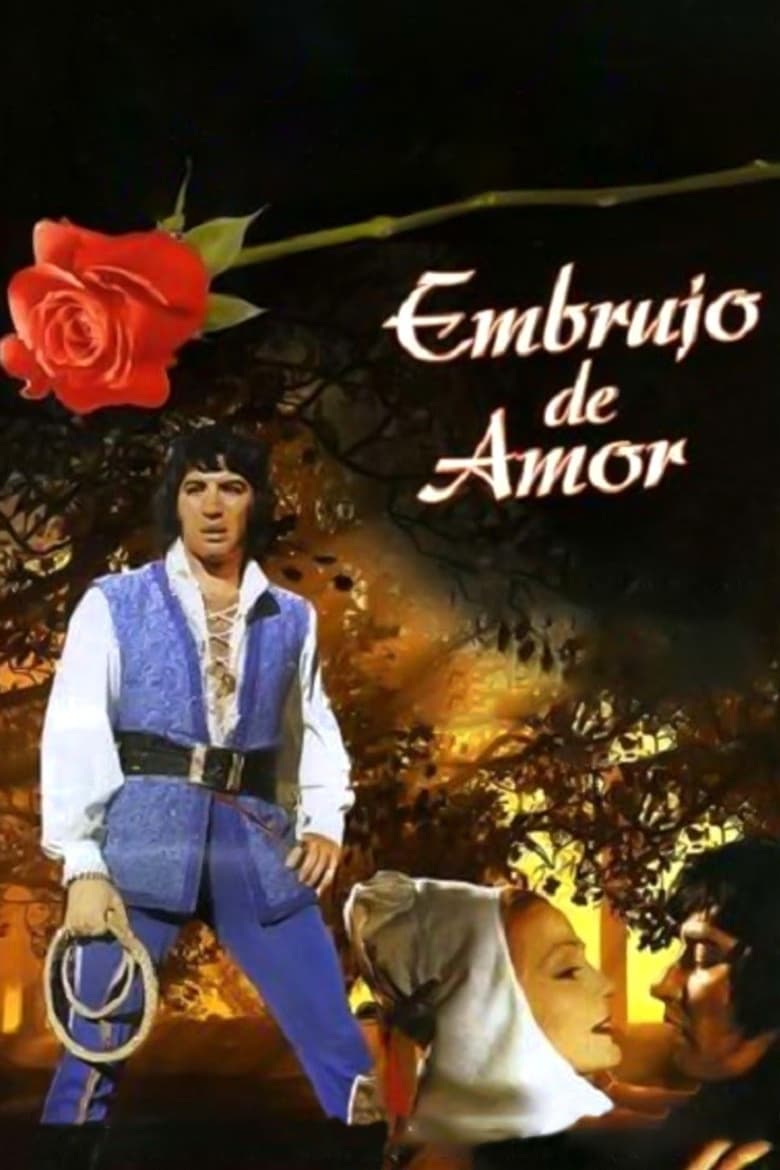
The plot is situated in the Duchy of stultus, more precisely at the Primrose Valley, a place that one day is visited by an old caravan under the command of Chief Servant. Among them is Toxzo, a gypsy prince whose entourage is dedicated to breeding race horses. The young gypsy fall soon surrendered to the charms of Sovira, the daughter of the Duke ...
Overall Score
Limited
Category Breakdown
LGBTQ+ Representation
The film lacks any evidence of non-cisnormative identities or same-sex intimacy. The story focuses on a traditional romantic pairing between a male and female lead.
Gender Representation
Sovira acts as a romantic catalyst for Toxzo, following classic tropes. While she holds social influence, the power dynamics remain rooted in traditional attraction rather than subverting gender hierarchies.
Racial & Ethnic Diversity
The inclusion of a gypsy prince and a traveling caravan introduces non-Anglo-Saxon elements. However, it is unclear if these characters possess depth or function as romanticized archetypes.
Religious & Cultural Diversity
The setting emphasizes European aristocratic structures and feudal hierarchies. The plot centers on class distinctions and romantic destiny, reinforcing established social orders rather than critiquing them.
Disability Representation
There is no mention of characters navigating physical, sensory, or neurodivergent conditions within the narrative.
Strengths
Areas for Improvement
AI Analysis
Embrujo de amor operates within the conventional storytelling structures of 1971. The film relies on established romantic tropes and period-specific social hierarchies, prioritizing classical drama over progressive narrative subversion. While the film introduces ethnic variety through its Romani characters, the narrative architecture remains largely heteronormative and traditional. The central conflict revolves around class distinctions between a Duke's daughter and a gypsy prince. Ultimately, the film functions as a standard romantic period piece. It lacks the intersectional agency or systemic critique required to move beyond the social mores of its era.
No reviews yet. Be the first to share your thoughts on this movie!
Use the rating form above to leave a star rating and optional review.