
Step Up: Year of the Dance
2019
No user ratings available yet
Diversity score: 5.7 out of 10
2018
Director
Telmo Esnal
Runtime
90 minutes
Average Rating
No ratings yetSynopsis
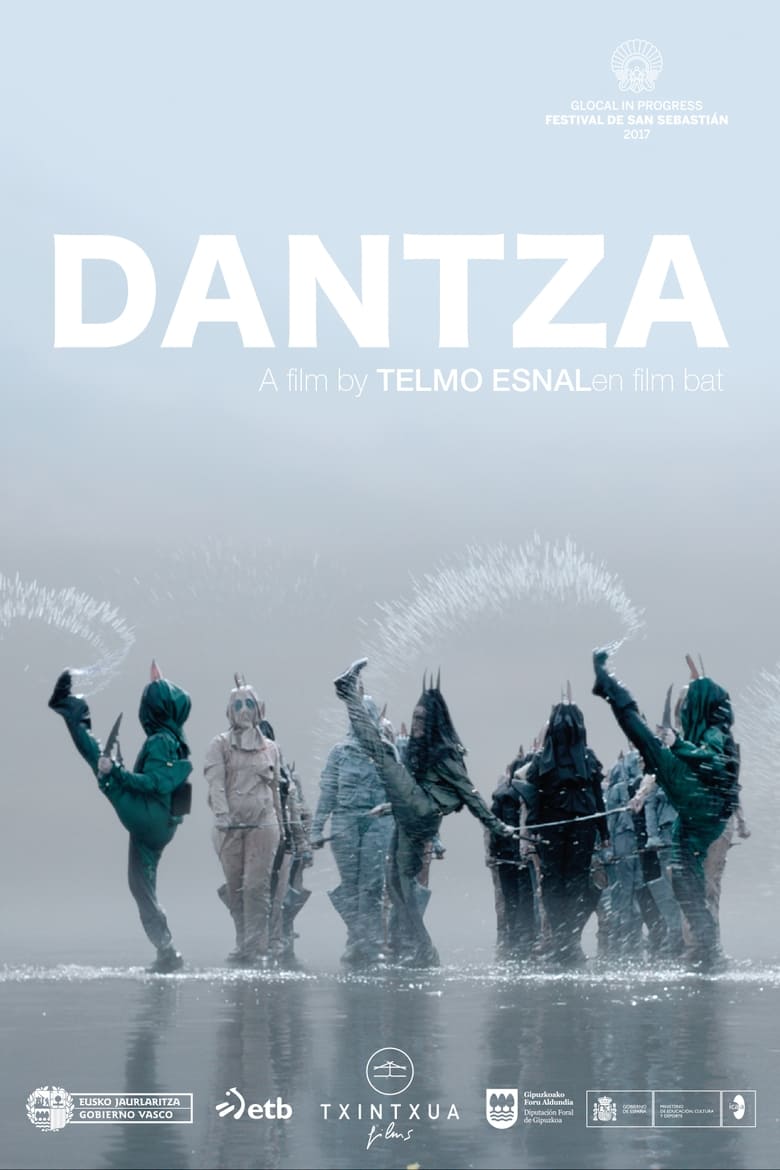
When the rain ends, life sprouts from the earth. A fruit grows and becomes the apple that gives life to the cider. Then comes the time of harvest, toasting and celebrating love. A story about the cycle of life and death, of the struggle for survival. Where the passage of time is marked by the course of nature, music and dance.
Overall Score
Fair
Category Breakdown
LGBTQ+ Representation
The film mentions celebrating love, but the specific nature of these romantic connections remains undefined. There is no explicit evidence of non-heteronormative identities or critiques of heteronormativity.
Gender Representation
Themes of survival and the passage of time appear gender-neutral. While no specific subversion of gender hierarchies is noted, the focus on dance and music suggests potential for fluid character roles.
Racial & Ethnic Diversity
The setting appears localized, likely within a Basque or European context centered on cider production. The narrative focuses on the human condition within a specific ecological framework rather than multi-ethnic casting.
Religious & Cultural Diversity
The story prioritizes ecological rhythms and communal celebrations over industrial or capitalist frameworks. This focus on nature and community subtly challenges the hyper-individualism common in mainstream Western cinema.
Disability Representation
There is no visible or mentioned evidence regarding the portrayal of physical or neurodivergent disabilities in the narrative.
Strengths
Areas for Improvement
AI Analysis
Dantza functions as a work of atmospheric realism that replaces traditional character-driven conflict with environmental and cyclical progression. It moves away from linear Western hero narratives to embrace a more organic, rhythmic storytelling style. The film's strength lies in its departure from institutional-centric storytelling, favoring a holistic worldview integrated with nature. However, the narrative lacks explicit engagement with identity politics or specific representation of marginalized groups. Ultimately, the film offers a communal perspective on the cycle of life, though it remains neutral on many specific social and identity-based metrics.
2019

2015

1985
1986

2022
2017
2018
2016
No reviews yet. Be the first to share your thoughts on this movie!
Use the rating form above to leave a star rating and optional review.