
Félicité
2017
No user ratings available yet
Representation score: 7.0 out of 10
Representation Score
Good
2002
Director
Raja Amari
Runtime
100 minutes
Average Rating
No ratings yetNew Showbiz Analysis
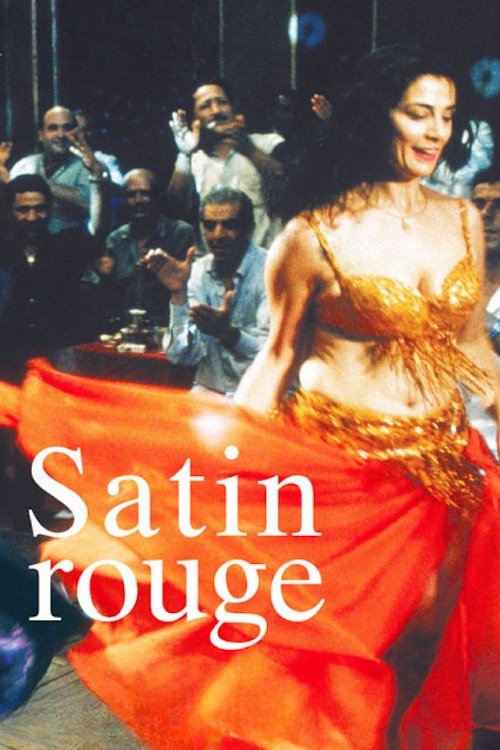
Satin Rouge is a character study centered on personal and cultural transition. It excels by challenging conventional expectations of widowhood, focusing instead on women's ability to drive the story and cultural exploration. The film's strength lies in its disruption of traditional social hierarchies. By centering on a woman reclaiming her body through dance, it moves away from institutional stability toward individual liberation. However, the narrative remains limited by its focus on heterosexual romance. While the setting is culturally rich, the lack of diverse sexual identities prevents a higher score in representation.
Category Breakdown
The story focuses on heterosexual relationships involving Lilia, Salma, and a musician. Despite the cabaret setting offering unique social spaces, there is no clear indication of queer identities or subtext.
Lilia transitions from being a widow to becoming a dancer, which challenges traditional gender roles and submissive femininity. The film highlights female autonomy and the pursuit of passion outside patriarchal structures.
The narrative uses cultural immersion to blend social spheres through the belly dance cabaret. This framework provides significant opportunities for characters to engage with non-Western aesthetic and social traditions.
The film dismantles traditional domesticity by promoting a fluid, secular lifestyle over rigid social structures. The cabaret serves as a site for personal liberation beyond the nuclear family.
There are no visible or invisible disabilities portrayed that affect the character arcs or the narrative direction.
Present on Screen
Limited or Absent
Official Synopsis
After the death of her husband, Lilia's life revolves solely around her teenage daughter, Salma. Whilst looking for Salma late one night, Lilia stumbles upon a belly dance cabaret and though initially reserved and taken aback by the culture of the place, Lilia gets consistently drawn back to it. She befriends one of the belly dancers and is encouraged into dancing for the audience. Lilia also starts a romance with one of the cabaret's musicians, who unbeknown to both of them, is also romancing Salma.
2017
1996

2009

1983

2001

2010

2014

2017
No reviews yet. Be the first to share your thoughts on this movie!
Use the rating form above to leave a star rating and optional review.