El amor brujo
1986
No user ratings available yet
Representation score: 4.0 out of 10
Representation Score
Fair
2008
Director
Leonardo Favio
Runtime
82 minutes
Average Rating
No ratings yetNew Showbiz Analysis
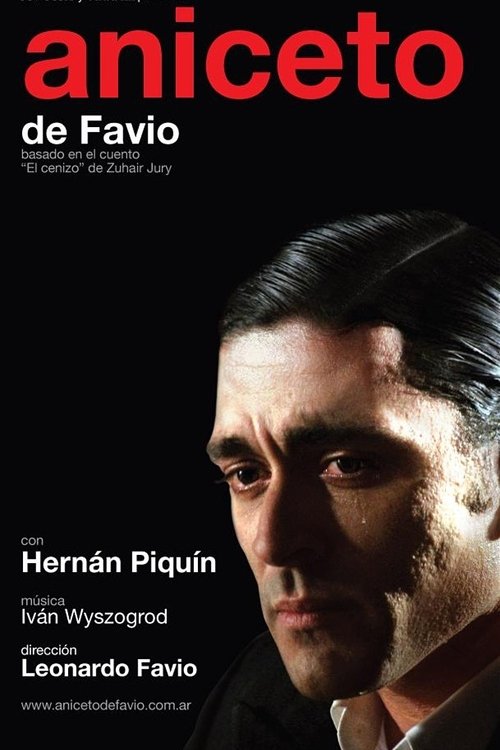
Aniceto is a work of social realism that emphasizes class-based storytelling over individual identity issues. It disrupts traditional power dynamics by focusing on the experiences of underrepresented individuals and presenting a realistic view of rural life. However, the film stays conservative regarding gender and LGBTQ+ identities, reflecting the historical and cultural context of its setting without challenging it. The film's main strength lies in its sophisticated critique of systemic inequality and the breakdown of traditional authority within working-class environments.
Category Breakdown
The film follows a traditional romantic triangle between the protagonist and two women. It doesn't show any non-binary gender identities or same-sex relationships, sticking to the assumption that everyone is straight or cisgender.
Female characters play key roles in the emotional storyline, but their influence is limited by the traditional gender hierarchy of the rural setting. The film upholds rather than challenges historical gender roles.
The story focuses on a predominantly mestizo rural population, offering a detailed look at regional identity and the daily lives of the rural poor, moving away from urban-centric viewpoints.
The narrative highlights the failures of traditional Western institutions by showing the cyclical nature of poverty and systemic inequality, critiquing socioeconomic structures.
There are no prominent characters with visible or invisible disabilities that significantly impact the plot or serve as central traits.
Present on Screen
Limited or Absent
Official Synopsis
Love, passion, disappointment, pain and sadness shape this love triangle between Aniceto, Francisca and Lucía, played by dancers Hernán Piquín, Natalia Pelayo and Alejandra Baldón.
1986

2015

1985

2012
1993
1951
1958
1986
No reviews yet. Be the first to share your thoughts on this movie!
Use the rating form above to leave a star rating and optional review.