Did Somebody Laugh?
1978
No user ratings available yet
Representation score: 4.1 out of 10
Representation Score
Limited
1966
Director
Henning Carlsen
Runtime
112 minutes
Average Rating
No ratings yetNew Showbiz Analysis
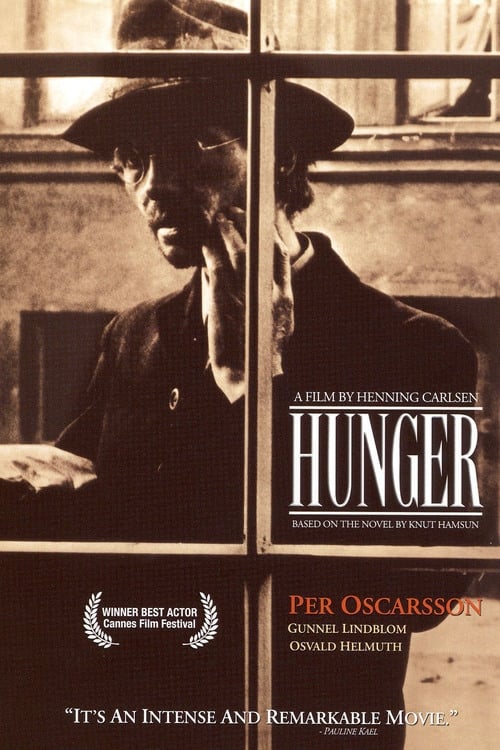
Hunger is a work of existentialist realism that emphasizes psychological depth over broad demographic representation. It focuses on the erosion of a single individual rather than a diverse ensemble. The film's low scores in LGBTQ+ and racial categories reflect its historical setting and its narrow focus on a specific European social stratum. It does not challenge straight-centered or racial norms, adhering to the era's social constraints. However, the film offers a dignified look at the human cost of socioeconomic failure by depicting the harsh realities of starvation and mental instability without mockery.
Category Breakdown
The film centers on the protagonist's internal struggles and does not include any non-cisgender identities or same-sex relationships in the main plot.
Gender dynamics play a minor role in the story. Women appear as secondary characters through which the protagonist experiences emotional exhaustion rather than as independent figures.
Set in the 1890s, the film reflects the demographic homogeneity of the time. The cast is primarily white, focusing on a specific European intellectual class.
The narrative critiques 19th-century socioeconomic structures. It examines the alienation of intellectuals in a growing capitalist urban environment.
The film presents a nuanced portrayal of the physical and mental impacts of malnutrition. It handles the protagonist's wasting and instability with dignity.
Present on Screen
Limited or Absent
Official Synopsis
In 1890, Pontus, the starving writer, wanders the streets of Christiania, in search of love and a chance to get his work published. All he meets is defeat and suffering while his sense of reality is withering. One moment he is delighted and the next he curses everybody. All the time he manages to maintain human dignity and pride.
1978

1967

1963
1961
1967

1945

2011

1977
No reviews yet. Be the first to share your thoughts on this movie!
Use the rating form above to leave a star rating and optional review.