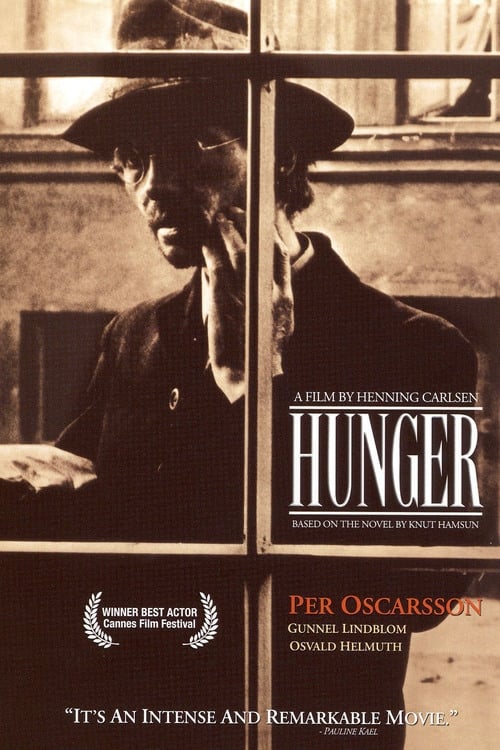
Hunger
1966
No user ratings available yet
Representation score: 4.0 out of 10
Representation Score
Fair
1978
Director
Henning Carlsen
Runtime
102 minutes
Average Rating
No ratings yetNew Showbiz Analysis
Henning Carlsen’s work serves as a humanistic study of poverty rather than a contemporary exploration of diverse identities. It prioritizes the exploration of class and socioeconomic struggle over identity-based representation. The film achieves its impact by disrupting conventional expectations of success. By centering a character on the margins of the productive economy, it critiques established socioeconomic hierarchies. However, the film lacks significant diversity regarding race, gender roles, or LGBTQ+ presence, remaining firmly rooted in the social norms of its historical setting.
Category Breakdown
The film focuses on a male protagonist within a period-specific social landscape. There are no representations of non-straight gender identities or same-sex intimacy, adhering to the heterosexual norms of the late 1930s.
The story centers on a male protagonist's struggle for survival. A female romantic interest provides companionship but remains secondary to the protagonist's journey, reflecting traditional gender roles of the era.
Set in 1930s Copenhagen, the film depicts a largely homogeneous European environment. The narrative is rooted in the cultural and ethnic context of Denmark during the interwar period.
The film offers a nuanced critique of class and systemic poverty. By focusing on an unskilled worker reliant on soup kitchens, it challenges traditional capitalist meritocracy.
There are no explicit depictions of physical or sensory disabilities. The protagonist's social alienation and difficulty navigating intellectual demands suggest a form of cognitive or social detachment.
Present on Screen
Limited or Absent
Official Synopsis
The late 1930s. A young enemployed, unskilled worker walks through the streets of Copenhagen, sustaining himself partly on the dole and free soup-kitchen meals and partly on day-dreams. He spends time at a cemetry studying headstone inscriptions. Mild-mannered and of poetic bent, he understands little of an intellectual friend's advice and shies away from the love of a woman who shares her bed with him.
1966

1959

1983

1961
1974
1927
1949

1977
No reviews yet. Be the first to share your thoughts on this movie!
Use the rating form above to leave a star rating and optional review.