Mouchette
1967
No user ratings available yet
Representation score: 4.9 out of 10
Representation Score
Limited
1966
Not RatedDirector
Robert Bresson
Runtime
96 minutes
Average Rating
No ratings yetNew Showbiz Analysis
Robert Bresson’s masterpiece prioritizes existential and spiritual inquiry over demographic representation. The film critiques human callousness and systemic exploitation through the metaphor of a donkey, mirroring human suffering. While the film does not feature modern markers of diversity such as racial or LGBTQ+ identities, its narrative structure challenges traditional authority and questions the idea of a just, ordered world. Ultimately, the film's impact comes from its philosophical depth rather than its broad social representation, providing a profound look at moral ambiguity within a traditional agrarian society.
Category Breakdown
The film does not include any LGBTQ+ characters or explore non-straight identities. Instead, it focuses on the spiritual and socioeconomic interactions between humans and animals.
Marie's role is heavily constrained by the traditional rural hierarchy, leaving her perpetually vulnerable and reactive to the actions of the men around her.
Set in mid-20th century rural France, the film portrays a homogeneous community with no engagement with racial or ethnic diversity.
The film critiques social structures through a minimalist, transcendental style, avoiding a singular moral stance and instead presenting a world of moral relativism and systemic indifference.
The film uses the metaphor of a non-human entity to explore vulnerability. Balthazar the donkey embodies suffering and a lack of control over his circumstances.
Present on Screen
Limited or Absent
Official Synopsis
The story of a donkey Balthazar as he is passed from owner to owner, some kind and some cruel but all with motivations beyond his understanding. Balthazar, whose life parallels that of his first keeper, Marie, is truly a beast of burden, suffering the sins of humankind. But despite his powerlessness, he accepts his fate nobly.
1967
1962
2022
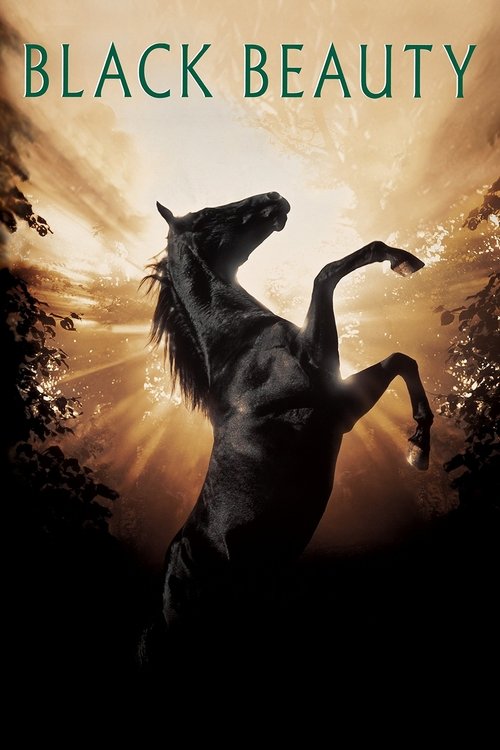
1994
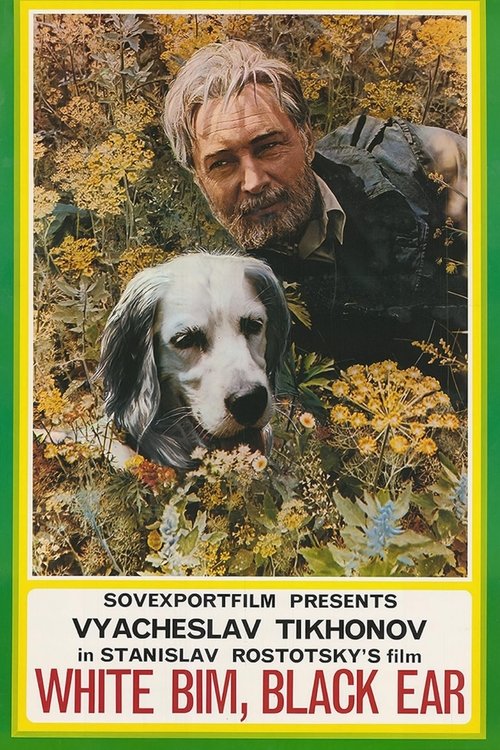
1977
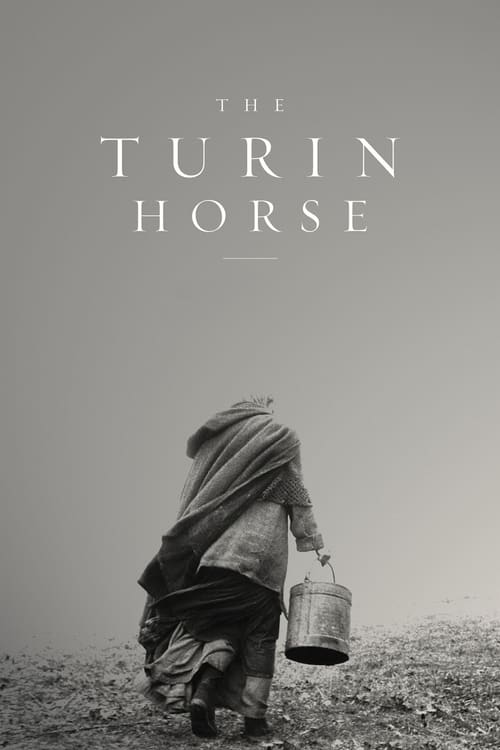
2011
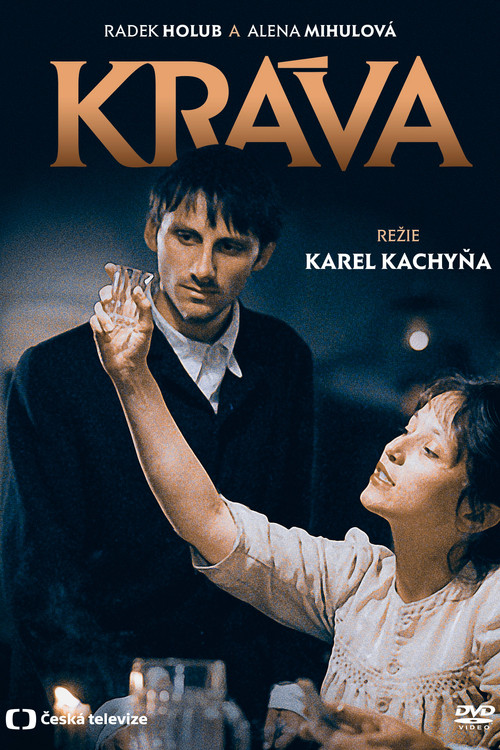
1996
2014
No reviews yet. Be the first to share your thoughts on this movie!
Use the rating form above to leave a star rating and optional review.