
The Fair
1960
No user ratings available yet
Diversity score: 3.6 out of 10
1955
Director
Wolfgang Staudte
Runtime
91 minutes
Average Rating
No ratings yetSynopsis
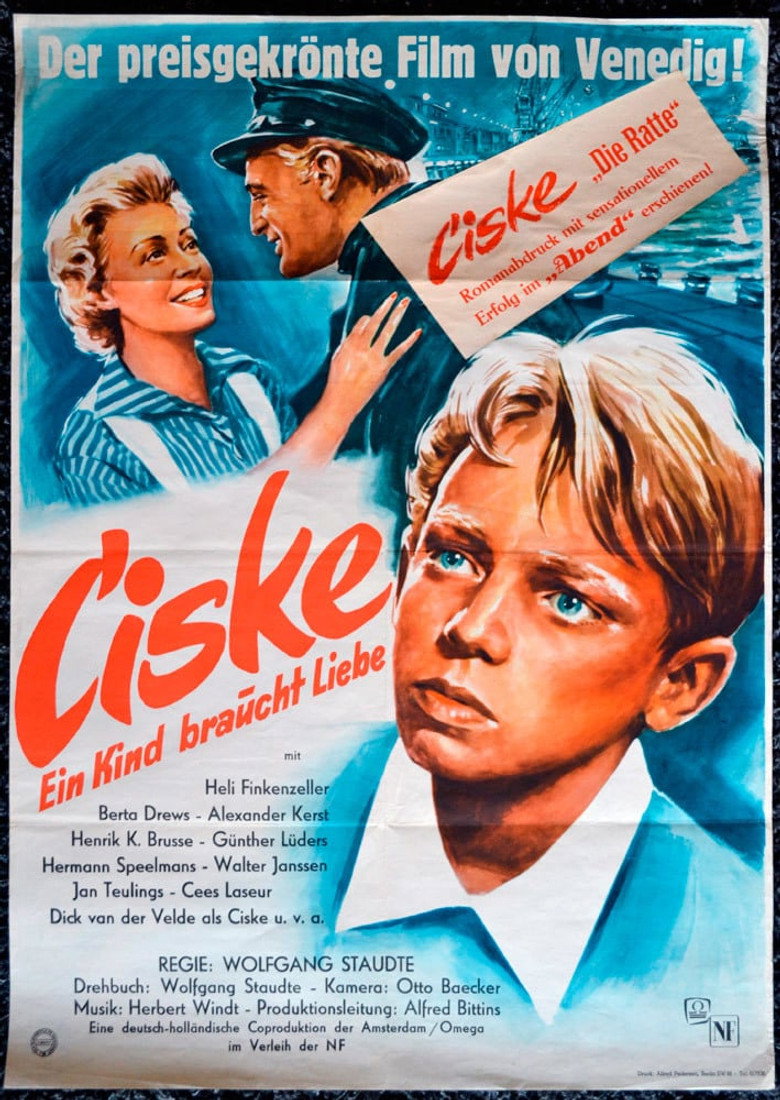
“Ciske de Rat” belongs to the Dickensean “little man’s hard life” model and tells a deceptively simple story about a boy in modern Netherlands. Persecution, loneliness, adults’ hostility, fear, mixture of obstinacy and tenderness, and even an imprisonment. Excellent camera movement and delicate portraying of Ciske’s fragile soul put this film out of merely historical context and ensure its place in the history of great cinema.
Overall Score
Fair
Category Breakdown
LGBTQ+ Representation
The film focuses entirely on a fractured nuclear family. There is no presence of non-heteronormative identities or queer subtext.
Gender Representation
The film subverts patriarchal tropes by portraying the father as a volatile source of terror. However, female characters often lack agency and appear primarily as victims.
Racial & Ethnic Diversity
Set in a post-war European working-class environment, the cast reflects a homogeneous demographic. There is no evidence of racial blending or ethnic subversion.
Religious & Cultural Diversity
The story critiques traditional Western social structures by portraying the family as a site of trauma. It reframes anti-social behavior as a survival mechanism.
Disability Representation
The film explores psychological trauma and neuro-behavioral struggles through the protagonist. These elements serve the drama rather than providing neurodivergent empowerment.
Strengths
Areas for Improvement
AI Analysis
Ciske de Rat is a social realist critique of post-war domesticity. It succeeds in deconstructing the myth of the stable patriarch, instead presenting a domestic hierarchy defined by volatility and fear. This provides a sophisticated look at how systemic failures impact the individual. However, the film remains limited by its period-specific homogeneity. It lacks intersectional diversity, offering no representation of LGBTQ+ identities or racial variety. The narrative is confined to a traditional, albeit dysfunctional, European social framework. Ultimately, the film's depth comes from its psychological empathy. It treats the protagonist's struggles not as moral failings, but as responses to environmental instability, even if it lacks modern inclusive representation.
1960
1975
1977
1955

1959
1983
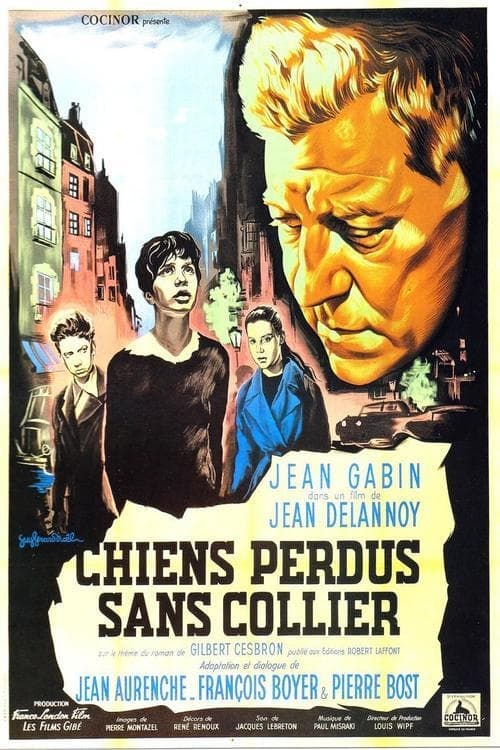
1955
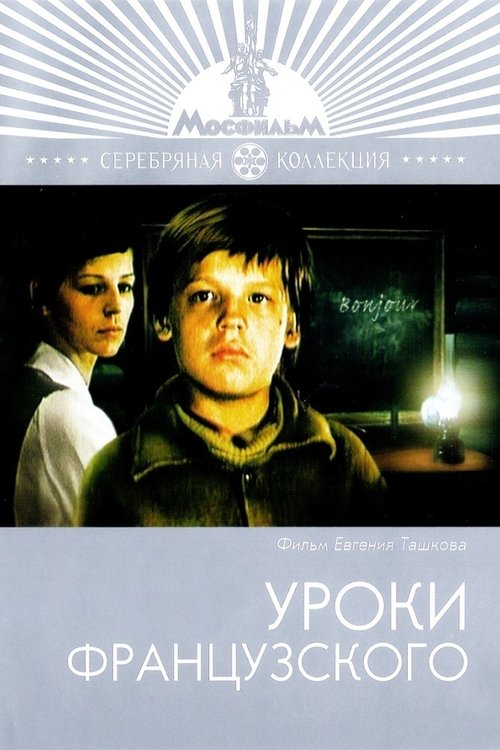
1978
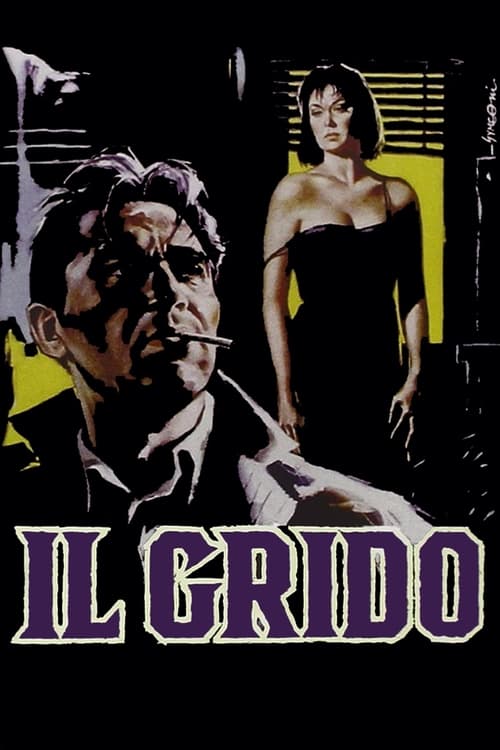
1957

1973
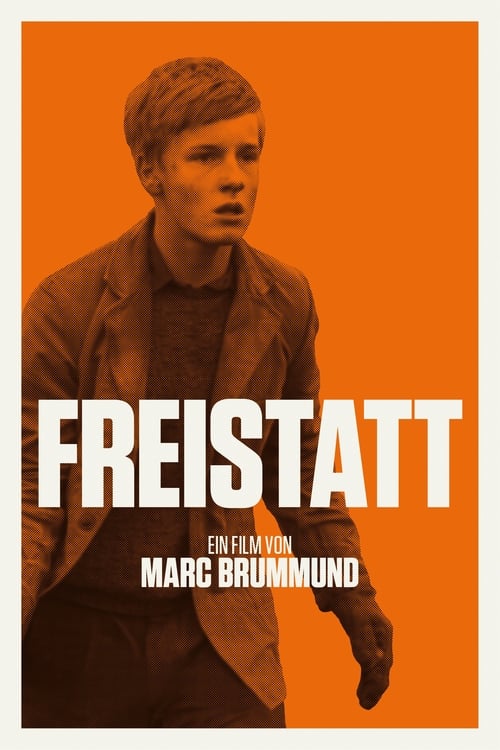
2015
1966
No reviews yet. Be the first to share your thoughts on this movie!
Use the rating form above to leave a star rating and optional review.