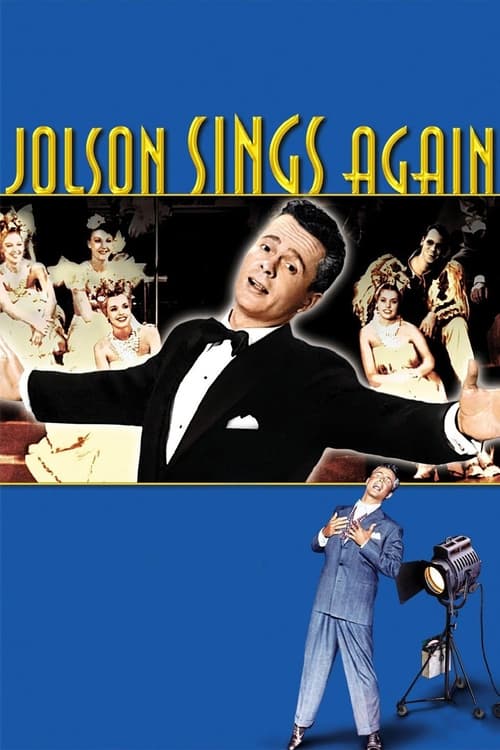
Jolson Sings Again
1949
No user ratings available yet
Diversity score: 2.1 out of 10

1944
Director
Crane Wilbur
Runtime
18 minutes
Average Rating
No ratings yetSynopsis
In this Oscar-winning short film, a Marine, Joe Fingers, on a South Sea island during World War II, tells tales of the influence he's had on various personalities. In the words of one of his buddies, he's either the biggest liar in the world or the most important man in show business.
Overall Score
Limited
Category Breakdown
LGBTQ+ Representation
The film lacks any depiction of non-cisnormative identities or same-sex intimacy. It adheres strictly to the heteronormative social structures common in 1940s military dramas.
Gender Representation
The story centers on a male protagonist and masculine social dynamics. It reinforces traditional gender hierarchies by focusing on wartime camaraderie within a male-dominated environment.
Racial & Ethnic Diversity
While set on a South Sea island, the narrative focuses on a Marine's personal anecdotes. It likely reflects the homogeneous casting standards of the 1940s studio system.
Religious & Cultural Diversity
The film emphasizes American patriotism and traditional Western institutional values. The storytelling prioritizes individual character over any critique of systemic or secular institutions.
Disability Representation
There is no documented evidence regarding the portrayal of physical or neurodivergent disabilities in this work.
Strengths
Areas for Improvement
AI Analysis
I Won't Play is a product of its era, functioning as a traditional wartime short that prioritizes conventional storytelling. The narrative architecture is built around masculine social dynamics and the anecdotal tales of a single male protagonist, Joe Fingers. The film lacks intentional efforts to disrupt social hierarchies or provide intersectional representation. It reflects the standard studio-era norms of 1944, focusing on patriotism and military camaraderie rather than diverse perspectives. Ultimately, the work serves as a period piece that reinforces the social and cultural constraints of the mid-1940s through its narrow character focus and homogeneous casting.
1949
1946
1952
1944
1943

1959
1945
1944

1942
1950

1947
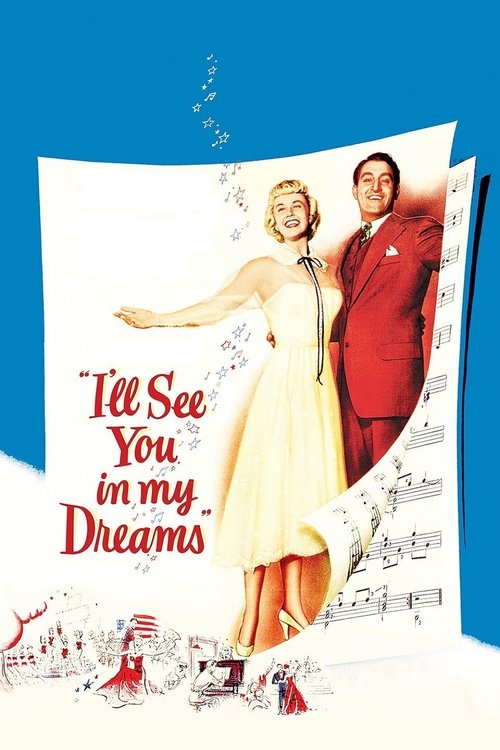
1951
No reviews yet. Be the first to share your thoughts on this movie!
Use the rating form above to leave a star rating and optional review.